
Language:

2026 Best International Arbitration Law for Global Buyers

Global purchasing can connect a buyer in Toronto with a supplier in Seoul, while delivery, payment, and evidence cross several borders. When a contract dispute arises, the arbitration clause can shape where the case is heard, which procedures apply, and how an award may be enforced. International Arbitration Law is not one universal rulebook. It draws on national laws, arbitration rules, treaties, and the wording of the parties’ agreement.

For global buyers, practical choices deserve careful attention before a purchase order is signed. A clause should identify the seat of arbitration, the institution or rules, the language, and the number of arbitrators. It should also distinguish the seat from the hearing venue; these are not necessarily the same place. Clear terms can reduce uncertainty when invoices remain unpaid or shipment records are incomplete. Small details matter. A vague clause may create its own dispute.

This guide examines what “best” can mean in 2026: workable procedures, predictable costs, access to qualified decision-makers, and a realistic path to enforcement. The New York Convention supports recognition of foreign arbitral awards among its contracting states, but local law and the facts still matter. No forum is best for every buyer. Some choices that look efficient on paper may prove costly in practice. Buyers should compare contract terms, governing law, business needs, and current local advice before agreeing. This overview is general information, not a substitute for advice on a specific transaction.
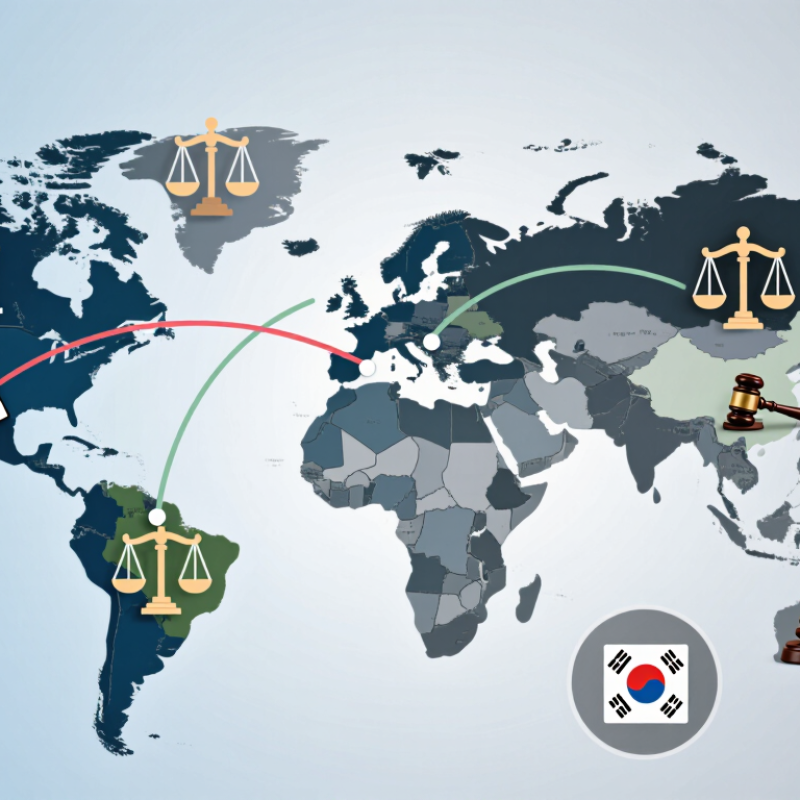
2026 Best International Arbitration Law for Global Buyers

International Arbitration Law in 2026: Core Principles for Global Buyers

International Arbitration Law in 2026: Core Principles for Global Buyers

In 2026, international arbitration remains a practical way to resolve cross-border contract disputes. Its value depends on clear drafting, not simply choosing arbitration in a contract. Buyers should identify the legal seat, applicable rules, language, and number of arbitrators. These details shape procedure, costs, and court support. Small wording gaps can create expensive disputes.

A buyer reviewing a supply agreement should check whether the arbitration clause covers payment, delays, quality claims, and contract termination. Confirm which law governs the contract and whether urgent court relief is available where assets or goods are located. Keep signed versions, delivery records, inspection photographs, and written notices organized. Evidence gets scattered. Enforceability also varies by jurisdiction, so local legal advice matters before signing. No clause works perfectly in every dispute; even careful planning has limits.

Tips: Compare the clause with your real trading route: where goods move, payments are made, and assets may be found. Check filing fees, hearing location, confidentiality terms, and deadlines. Ask counsel to flag unclear language before negotiations close. A short review now may prevent a long argument later.


Choosing the Governing Law, Seat, and Arbitration Institution

For global buyers, the governing law, arbitral seat, and institution solve different problems. Governing law shapes how the contract is interpreted; the seat determines the arbitration’s legal framework and which courts may supervise it. The institution administers the process under its rules. Keeping these choices distinct can prevent a dispute over a shipment from turning into a dispute over procedure. Details matter: name the governing law clearly, select a seat with dependable court support, and check that the institution’s rules fit the likely size and urgency of claims.

A 2021 international arbitration survey by Queen Mary University of London found that 90% of respondents preferred arbitration, either alone or alongside other dispute-resolution methods. That broad preference does not make every clause suitable. A buyer handling frequent, lower-value orders may need streamlined procedures; a complex, multi-country supply agreement may require more detailed rules for multiple parties and emergency relief. No clause is perfect. Even a carefully drafted choice can feel awkward when an unexpected dispute arises. Test the wording against a real scenario: a late delivery, disputed inspection results, and a seller’s assets located in another country. Then confirm that the seat, governing law, and institutional rules work together rather than merely sounding familiar.

Drafting Arbitration Clauses for Cross-Border Purchase Agreements

For global buyers, an arbitration clause should work under pressure, not just look polished in a contract. Name the arbitration rules and institution, if applicable, and specify the legal seat. The seat determines the courts’ supervisory role; it is not necessarily the hearing location. Keep those details distinct. Also state the arbitration language and whether one or three arbitrators will hear disputes. For a modest purchase, a sole arbitrator may control costs. For a complex supply failure, the parties may prefer a larger tribunal.

Define which disputes the clause covers, including claims involving purchase orders, delivery changes, and warranty issues. Set a practical notice method and address interim court relief where urgent protection may be needed. Keep the governing law of the contract separate from the law governing the arbitration agreement; they may differ. Check that the chosen rules, seat, and wording fit the countries involved, since local requirements and enforcement practices vary. Small wording gaps matter. A clause may still leave uncertainty about related companies or multiple contracts. Before signing, test it against a realistic dispute: a delayed shipment, disputed inspection records, and a supplier that operates through another legal entity. A local arbitration lawyer can review those details.

Key Global Instruments for Cross-Border Dispute Resolution

Adoption year of selected international instruments relevant to arbitration clauses and cross-border enforcement.

What this means for buyers: These instruments provide important international frameworks, but their applicability depends on the relevant countries and local law. Before signing, verify the arbitration seat, the governing law of the clause, and the enforcement jurisdictions. Adoption year is not the same as entry-into-force date or local implementation date.

Sources: UNCITRAL materials on the New York Convention, the UNCITRAL Model Law on International Commercial Arbitration, and the Singapore Convention on Mediation. The Singapore Convention concerns international mediated settlement agreements, not arbitral awards.

Understanding Arbitration Procedures, Costs, and Interim Measures

An arbitration clause is not a complete process map. Global buyers should confirm the legal seat, governing law, hearing location, language, and number of arbitrators before signing. These choices shape court supervision, evidence, timelines, and enforcement. Queen Mary University of London’s 2021 International Arbitration Survey found that 90% of respondents preferred arbitration for cross-border disputes. That preference does not make every clause workable. A vague notice address can delay even a strong claim.

The ICC’s 2023 dispute-resolution statistics recorded 890 new arbitration cases, involving disputes totaling US$53.3 billion. That scale makes careful cost planning essential. Budgets should include tribunal and institutional fees, legal counsel, translations, experts, travel, and hearing expenses. Ask counsel for staged estimates, not one confident number. Estimates miss surprises. Document-heavy disputes can swell quickly when records sit across several countries.

Interim measures matter when assets, evidence, or goods may move before the final award. Depending on the applicable rules and local law, parties may seek urgent relief from an emergency arbitrator or a competent national court. Prepare dated invoices, inventory photographs, shipping records, and a concise explanation of the risk. Relief is not automatic. Courts may require security, and an overbroad request can undermine credibility. Emergency procedures may add cost without resolving the merits sooner.

Enforcing Awards and Managing Challenges Across Jurisdictions

For global buyers in 2026, an arbitration award is only useful if it can be enforced where the counterparty’s assets are located. That place may differ from the arbitration seat. A buyer should check the contract’s arbitration clause, the seat, and likely enforcement jurisdictions before a dispute arises. Details matter. Courts may request authenticated award copies, translations, proof of notice, or evidence that the award is final. Missing paperwork can create delay, even when the underlying decision appears clear.

Challenges vary by jurisdiction. A court may examine whether a party received proper notice, whether the tribunal acted within its authority, or whether enforcement conflicts with local public policy. These grounds are generally limited, but their application is not identical everywhere. Local counsel can help confirm filing deadlines, court procedures, and available asset information. Preserve emails, delivery records, invoices, and hearing documents in an orderly file; small gaps can become expensive questions later. No checklist removes every risk. Even a well-prepared buyer may face uncertainty when courts interpret procedural rules differently.

Member of

Associated Wire Rope FabricatorsMHI MemberNetPlus Alliance Member Steel Erectors Assocation STADFA member

Terms of Sale | Privacy Policy