Top Benefits of Using Plastic Drains for Your Project?
Plastic Drains have become a crucial component in modern construction and landscaping projects. As sustainability becomes a key focus, their lightweight nature and durability are now more important than ever. According to a report by the Plastic Pipe and Fittings Association, plastic piping systems can reduce greenhouse gas emissions by up to 72% compared to traditional materials. This statistic underscores the growing shift towards eco-friendly solutions.
The versatility of plastic drains is notable. They can effectively handle various water management needs, whether in residential or commercial settings. However, there are limitations. Ensuring the proper installation of these drains requires expertise to avoid common pitfalls. A poorly installed system can lead to costly repairs and environmental damage.
Reliability in performance is another factor to consider. Some critics argue that plastic drains may not withstand heavy loads as well as concrete or metal alternatives. However, ongoing innovations in plastic technology are addressing these concerns. Industry studies reveal that advances in polymer chemistry are enhancing the strength and longevity of plastic drains. Thus, while challenges exist, the benefits often outweigh the drawbacks in many applications.
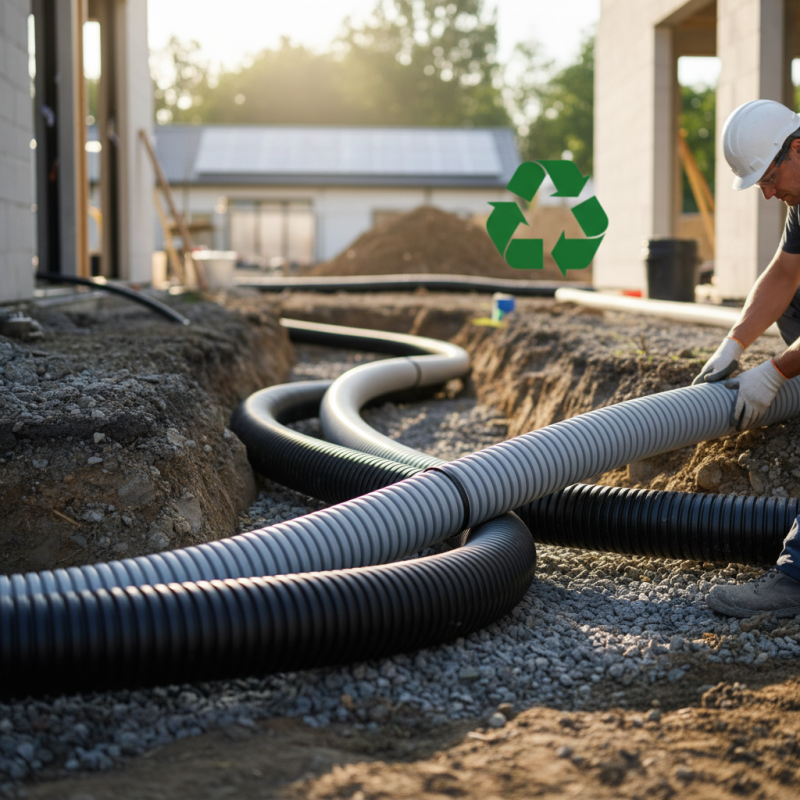
Advantages of Lightweight and Durable Plastic Drains
Plastic drains have gained popularity in recent years due to their lightweight and durable properties. Their design makes installation easier. You won’t need heavy machinery to carry and position them. This feature can significantly reduce labor costs and time on site.
Durability is another key point. Plastic drains resist rust and corrosion. They perform well in various environments, from residential to industrial. However, they may still be affected by extreme temperatures. It’s important to consider this when choosing materials for your project.
Moreover, plastic drains are often more flexible than other materials. This flexibility can lead to creative solutions for unique drainage needs. But flexibility can also raise concerns about long-term stability. It’s essential to evaluate the specifics of your project carefully. Making informed decisions can lead to successful outcomes in your drainage system.
Cost-Effectiveness of Plastic Drains in Construction Projects
Plastic drains are increasingly chosen for construction projects due to their cost-effectiveness. A report from the National Association of Home Builders indicates that plastic drainage systems can reduce overall project costs by up to 25%. This significant savings comes from lower material costs and reduced labor expenses. Plastic drains are lighter, making them easier to transport and install.
In addition to being affordable, plastic drains are durable. Data from the American Society for Testing and Materials shows they last up to 50 years when properly installed. This longevity ensures fewer replacements, further enhancing their cost-effectiveness over time. However, it’s essential to consider their limitations. While they withstand many conditions, extreme temperatures may affect their performance.
Moreover, the installation process can sometimes lead to errors if not done correctly. Misalignment during installation could cause blockages, leading to increased maintenance costs. Understanding these potential pitfalls is crucial for project planners. Evaluating the specific needs of a project must guide the choice of drainage solutions, ensuring an optimal balance between cost and reliability.
Resistance to Corrosion and Chemical Damage in Plastic Drains
Plastic drains offer significant advantages, especially in terms of resistance to corrosion and chemical damage. Unlike metal drains, plastic drains do not rust or corrode when exposed to moisture and various chemicals. According to a report by the American Society for Testing and Materials (ASTM), plastic materials can withstand a wide range of pH levels, making them ideal for diverse environments. This attribute ensures longevity and reliability in drainage systems, reducing the need for frequent replacements.
Moreover, plastic drains are lightweight, which simplifies installation. Fewer risks of breakage during transport further add to their appeal. In environments with high exposure to acids and bases, plastic drains show remarkable resilience. The Chemical Resistance Guide indicates that many thermoplastic materials maintain their integrity under extreme conditions. However, it is essential to choose the correct type of plastic based on the specific chemical exposure anticipated.
Despite these benefits, not all plastics are created equal, and some may degrade under severe UV exposure. Continuous research in material science aims to improve the durability of plastic drains further. While plastic drains are generally reliable, their performance can be contingent upon the specific environmental conditions they face. Proper installation and maintenance are critical to maximizing their effectiveness.
Top Benefits of Using Plastic Drains for Your Project
| Benefit | Description | Impact on Projects |
| Corrosion Resistance | Plastic drains do not corrode over time, ensuring longevity and reliability. | Reduced maintenance costs and increased lifespan of drainage systems. |
| Chemical Resistance | Highly resistant to various chemicals, making them suitable for industrial applications. | Ensures safe handling of corrosive substances and reduces potential damage. |
| Lightweight | Easier to transport and install compared to traditional materials like metal or concrete. | Lower labor costs and faster installation times. |
| Cost-Effectiveness | Generally less expensive than metal or concrete drains, both in terms of materials and installation. | Overall reduced project costs while maintaining quality. |
| Flexibility in Design | Can be molded into various shapes and sizes to fit specific project needs. | Increased versatility in drainage solutions, accommodating diverse applications. |
Ease of Installation and Maintenance with Plastic Drain Systems
Plastic drain systems have gained popularity due to their lightweight and easy installation. Unlike traditional materials, plastic can be cut and assembled quickly. This feature saves both time and labor costs during the project. A well-planned setup can prevent potential issues later on.
Regular maintenance is crucial for any drainage system. Plastic drains require fewer resources for upkeep. They resist corrosion and do not rust. Simply checking for blockages and cleaning out debris can ensure they continue functioning efficiently.
**Tip:** Always use a gentle cleaning agent during maintenance to avoid damaging the material.
Proper installation techniques improve durability. Ensure joints are sealed correctly to prevent leaks. Misalignment can lead to problems down the line.
**Tip:** Consider consulting a professional for tricky layouts. They can provide insights that enhance overall performance.
Top Benefits of Using Plastic Drains for Your Project
The chart above illustrates the key benefits of using plastic drain systems for your project. As seen, ease of installation and low maintenance are the leading advantages, making plastic drains a preferred choice in various applications.
Environmental Benefits and Recycling Options for Plastic Drains
Plastic drains have gained popularity in construction for several reasons, particularly their environmental benefits. These drains are typically made from recycled materials, which helps reduce waste. Many facilities today recycle plastic to create new plastic products. This not only conserves resources but also minimizes the carbon footprint associated with new plastic production.
Recycling programs for plastic drains are on the rise. Many municipalities have implemented systems that encourage recycling. This process transforms old plastic drains into reusable materials. Such initiatives promote sustainability. However, despite these advantages, challenges remain. Not all plastic drains are made equally. Some may not be as recyclable as claimed. It is crucial to ensure that the products chosen are certified for recycling.
Using plastic drains can contribute to environmental preservation, yet careful selection and consideration are necessary. As the industry evolves, focusing on improving manufacturing processes can enhance the recyclability of these drains. Sustainable practices must remain a priority for future projects. By doing so, you can help shape a greener construction landscape.