10 Best Acrylic Topcoat Suppliers for Global Buyers
Acrylic Topcoat suppliers serve buyers across construction, automotive repair, metal fabrication, and industrial maintenance. The market is growing, but supplier quality varies. Grand View Research valued the global paints and coatings market at approximately USD 190.1 billion in 2023 and projected continued growth through 2030. That broader market context helps explain why buyers face more product choices—and why careful comparison matters.
A reliable supplier should provide clear technical data sheets, consistent batch quality, and practical guidance on surface preparation. Ask about adhesion, weather resistance, drying time, and compatibility with the primer beneath the finish. These details matter on a real job: a coating applied to a damp steel gate may fail even when the product itself meets its stated specifications. Documentation matters, too. The ISO 12944 series offers established guidance for protecting steel structures against corrosion, though it does not replace product-specific testing or project advice.
This list of 10 suppliers gives global buyers a starting point for evaluating product range, export capability, technical support, and delivery reliability. It is not a universal ranking. A supplier suited to a coastal infrastructure project may not fit a small furniture workshop. No supplier is perfect. Buyers should confirm current certifications, sample performance, and regional availability directly before placing an order. Industry reports describe market direction, not the quality of any individual supplier; that distinction deserves attention.
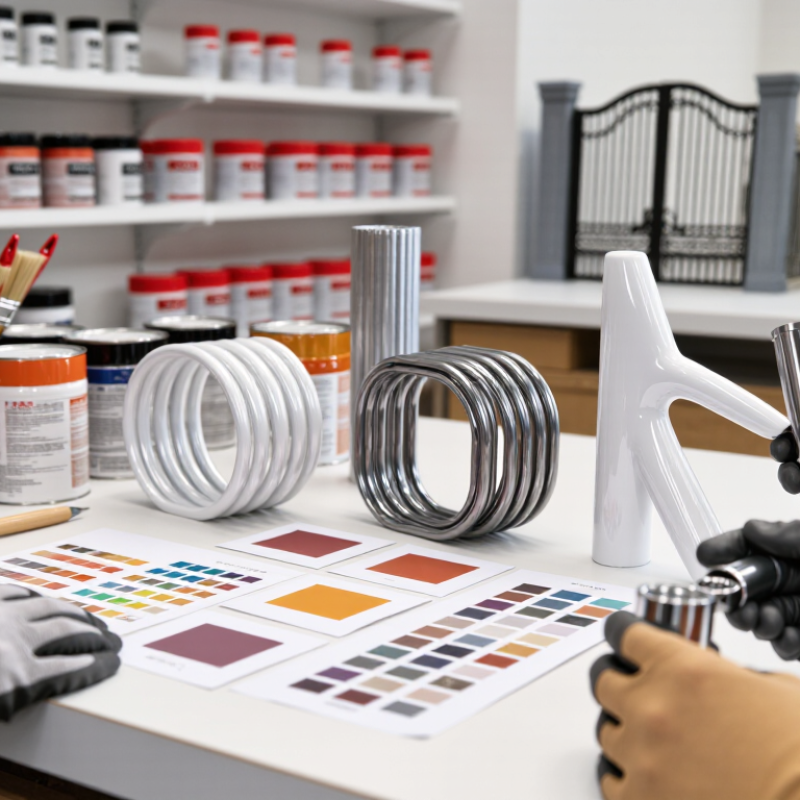
Understanding Acrylic Topcoats and Their Common Applications
Acrylic topcoats are clear or pigmented finishing layers used to protect and refine a surface. They can add gloss, color depth, and resistance to weathering, abrasion, or routine cleaning. Performance depends on the resin formulation, film thickness, substrate, and curing conditions. “Acrylic” alone does not guarantee a particular result.
Common applications include architectural metal panels, furniture, equipment housings, and automotive refinishing. On exterior surfaces, a suitable topcoat can help slow fading and surface deterioration from sunlight and moisture. Indoors, it may provide a cleanable finish for frequently handled items. The right choice depends on exposure, desired appearance, and the coating beneath it. A mismatch can cause poor adhesion or uneven sheen. Small test panels help reveal these issues before full production.
Tips: Confirm compatibility with the primer and substrate, then follow the supplier’s technical data for preparation, application, and curing. Check the finish under realistic lighting, not just beneath a workshop lamp. Record temperature and humidity during application. These details are easy to overlook, and they can complicate comparisons between similar samples.
Key Factors for Choosing an Acrylic Topcoat Supplier
Choosing an acrylic topcoat supplier starts with the surface, not the price list. Ask whether the coating suits metal, wood, masonry, or previously painted panels. Request a current technical data sheet and check film thickness, recoat time, drying conditions, and compatible primers. A small test panel can reveal poor adhesion, uneven gloss, or color shift before a large order. Small details matter. For outdoor work, ask how humidity and temperature affect curing; a product that performs well in a controlled shop may behave differently on site.
Consistency matters across repeat orders. Ask how batches are checked and whether lot numbers or retained samples are available. Confirm package sizes, storage limits, and realistic lead times. A low quote can become costly if a delayed shipment interrupts production. Request practical application guidance and relevant safety or environmental documentation for your market. Ask for evidence. Compare samples using the same surface preparation and curing conditions, then record the results. Supplier answers should be specific, not merely reassuring. Even a careful checklist has limits, so verify performance under the conditions your project will actually face.
Comparing Supplier Products, Certifications, and Market Reach
When comparing acrylic topcoat suppliers, assess the product before the sales promise. Ask for the technical data sheet, safety data sheet, recommended film thickness, and test results for adhesion, weathering, and gloss retention. A smooth sample panel is useful, but it cannot predict performance on every substrate. Check whether the supplier can explain surface preparation and curing conditions clearly.
Market reach matters when projects span several regions. The World Paint and Coatings Industry Association’s 2024 market analysis estimated 2023 global sales at about US$185 billion and 43.4 million metric tons. That scale makes consistent documentation and reliable logistics important. Look for current ISO 9001 or ISO 14001 certificates, then verify their scope and issuing body; a certificate alone does not prove a topcoat’s performance. Ask about local stock, export packaging, lead times, and technical support in the destination market. Small details count.
Compare like with like. Request test methods and conditions, not just claims such as “high durability.” For exterior use, ask how the coating performed under specified UV and moisture exposure. For industrial applications, confirm chemical resistance against the actual cleaning agents. A supplier may have broad distribution yet limited application support. That is easy to overlook. I would also compare color consistency across batches, though buyers sometimes accept vague tolerances. That deserves a second look.
Steps for Verifying Suppliers and Managing International Purchases
Ask each supplier for a current technical data sheet, safety data sheet, and batch-specific quality records. Check that the stated solids content, viscosity, gloss range, and recommended film thickness match your application. Request a sample and apply it to the same substrate and equipment used in production. Record drying time, adhesion, and appearance under consistent lighting. Small details matter. One attractive sample does not prove every batch will perform the same way.
Verify the supplier’s production capacity, quality checks, and export experience through a live video call or a qualified third-party inspection. Ask how they handle batch variation and product complaints, and request recent references where practical. Review written specifications before paying a deposit. A polished sample can still hide gaps in routine quality control, so keep questions—and answers—in writing.
For international purchases, confirm the delivery term, lead time, packaging method, payment milestones, and responsibility for freight and insurance. Check that shipping documents and product labels meet the destination market’s requirements with your local customs broker. Agree on acceptable color and gloss tolerances before production begins. Keep records. It is tempting to rush a first order when schedules are tight, but a small trial shipment can reveal packing damage, transit delays, or unclear paperwork before a larger commitment.
Acrylic Topcoat Supplier Verification Checklist
Checklist items to review when evaluating suppliers and preparing an international purchase.
The bars count the evidence checks listed for each stage in this example checklist. They are planning counts, not market statistics or supplier ratings. Confirm applicable product and import requirements for your destination market.