Language:

10 Best Jewelry Equipment Suppliers for Global Buyers

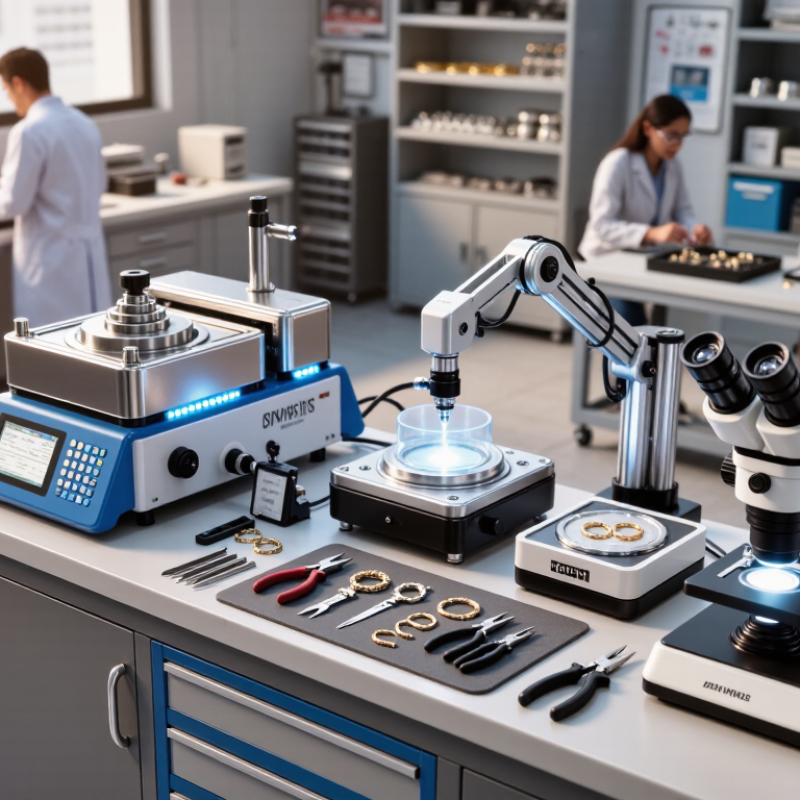
Jewelry manufacturing is shaped by both craft and production technology. A casting machine, laser welder, polishing unit, or precision microscope can affect daily output, repair time, and finished quality. For global buyers, selecting Jewelry Equipment is therefore more than comparing catalog prices. It also means checking machine specifications, operator training, spare-part access, warranty terms, and after-sales support. Small details matter.

The broader market offers useful context, but it should not be mistaken for equipment-market data. Grand View Research estimated the global jewelry market at USD 353.26 billion in 2023 and projected a 4.7% compound annual growth rate from 2024 to 2030. That forecast signals continuing activity across the jewelry value chain; it does not establish how much manufacturers will spend on machinery. The distinction matters. Equipment demand also varies by workshop size, production method, material, and local service availability.

This guide introduces 10 jewelry equipment suppliers for global buyers, with attention to practical purchasing questions rather than promotional claims alone. Buyers should confirm current product specifications, installation requirements, delivery terms, and support coverage directly with each supplier. A polished website is not proof of reliable service. And supplier information can change. Use the list as a starting point, then compare evidence against your own production needs.
10 Best Jewelry Equipment Suppliers for Global Buyers

What Jewelry Equipment Suppliers Provide to Global Buyers

Jewelry equipment suppliers provide more than machines. Their catalogs may include melting and casting systems, rolling mills, polishing motors, engraving units, and small hand tools. A buyer making silver rings needs different capacity from a workshop producing intricate settings. Ask for working dimensions, output ranges, and compatible materials—not just a headline specification. Details matter.

For international orders, suppliers may also arrange export packing, operating manuals, spare parts, and remote installation support. Confirm the machine’s voltage and plug requirements before shipment. A clear parts list helps when a worn belt or heating element needs replacement months later. Request training plans, warranty terms, and a written response-time estimate. Small checks now.

Reliable support is practical, not glamorous. Ask for a live demonstration using a sample piece similar to your work. Check whether the supplier can explain routine cleaning, calibration, and safe operating steps in plain English. Shipping times and service coverage can vary by destination, so confirm them directly. One limitation is easy to overlook: a capable machine may still be a poor fit if your staff lacks time to learn it. Compare total ownership costs, including consumables and maintenance, before choosing equipment.


10 Best Jewelry Equipment Suppliers for Global Buyers — What They Provide

Reference Melting Points for Jewelry Casting Equipment Selection

Jewelry equipment suppliers commonly provide furnaces and casting systems for working with precious metals. These reference values are the melting points of pure metals; jewelry alloys melt over ranges that vary with their composition. Buyers should check equipment specifications against the alloys they plan to process.

Key Criteria for Evaluating Jewelry Equipment Suppliers

When comparing jewelry equipment suppliers, start with the work the machines must perform. A casting workshop needs stable temperatures and repeatable cycles; a setting bench needs precise motion and clear magnification. Ask for specifications under real operating conditions, not only ideal laboratory results. Small details matter.

Production capacity matters, but it should not be confused with equipment demand. The World Gold Council’s Gold Demand Trends: Full Year 2023 reported global gold-jewelry demand of 2,093 tonnes, up 3% year over year. That figure reflects jewelry demand, not machine sales, yet it signals the scale of work manufacturers may need to support. Check whether a supplier can provide installation, operator training, calibration guidance, and replacement parts within a practical timeframe.

Request test records, warranty terms, and references from workshops using similar processes. ISO 9001:2015 can help buyers assess a supplier’s quality-management approach, but certification alone does not prove that a machine suits your production. Compare total ownership costs, including tooling, maintenance, power use, and downtime. A low quote can hide service delays. Buyers sometimes overvalue polished demonstrations; a brief production trial may reveal vibration, awkward controls, or inconsistent results. No checklist replaces careful testing.

Profiles of Ten Leading Jewelry Equipment Suppliers

A useful supplier profile starts with the work it supports. Casting-equipment suppliers serve workshops that need repeatable molds and steady temperature control. Laser-welding specialists focus on fine repairs, adjustable settings, and operator training. Polishing-equipment suppliers offer motors, wheels, and dust collection for different finishes. Stone-setting tool suppliers provide microscopes, handpieces, and precise control. Small details matter.

CNC equipment suppliers help makers produce consistent components, but buyers should check software support and service access. Engraving suppliers are assessed for clean detail, sample quality, and easy setup. Vacuum-system suppliers support casting workflows; ask about chamber size and maintenance intervals. Extraction-equipment suppliers help manage airborne workshop dust, with filter availability worth checking. Inspection-equipment suppliers offer microscopes and lighting that make small defects easier to spot. Bench-tool suppliers round out the picture with practical, repairable equipment.

These ten profiles describe different strengths, not a universal ranking. A supplier with excellent machinery may still have slow parts delivery or unclear instructions. Request a live demonstration, written specifications, warranty terms, and references from comparable workshops. Test the equipment with your materials when possible. Even then, one visit cannot reveal every service issue. That is worth remembering. A careful comparison should weigh accuracy, training, consumables, and long-term support alongside purchase price.

How Supplier Coverage and Services Differ Across Regions

Supplier coverage varies more than a website map suggests. Asian manufacturing hubs may offer broad equipment choices and fast parts access, while European distributors often emphasize technical documentation and service support. North American buyers may value local inventory and repair response times. These are patterns, not guarantees; even nearby suppliers can have long lead times. UNCTAD’s Review of Maritime Transport 2024 reports that seaborne trade grew 2.4% in 2023, while disruption and longer routes continued to affect shipping reliability.

Compare service, not just price. The World Bank’s Logistics Performance Index 2023 assesses 139 economies across customs, infrastructure, shipment arrangements, logistics competence, tracking, and timeliness. Use those dimensions to frame supplier questions: Are replacement motors stocked locally? Can technicians troubleshoot a polishing machine remotely? What is the realistic delivery window for consumables? A polished catalog is helpful, but it cannot confirm workshop-ready support. Ask for written lead times and clarify who handles installation and warranty claims.

Tips: Request a sample parts list and service-response estimate before ordering. Check whether manuals use clear units and wiring diagrams. Keep some skepticism; promised coverage can look better on paper than in practice.

Steps for Selecting and Sourcing Equipment Internationally

Choosing jewelry equipment across borders starts with a written production brief, not a supplier shortlist. Define the work: ring sizing, polishing, casting, or stone setting. Note daily output, materials, bench space, and operator skill. Ask for machine dimensions, power requirements, noise levels, consumables, and maintenance intervals. A clear specification makes quotations easier to compare. Small details matter.

Request dated photos or a live demonstration, plus manuals and a parts list. Check the warranty terms, repair options, and expected delivery time in writing.

Confirm packaging, shipping responsibility, import documents, and any local safety or electrical requirements with qualified sources. Compare the full landed cost, including freight, insurance, taxes, and installation, rather than the equipment price alone. Keep records.

Before ordering, test your questions: if a supplier cannot explain calibration or routine upkeep clearly, pause and seek clarification. I would not treat a glossy video as proof of long-term reliability; that is an easy mistake to make. Where possible, ask for references from buyers using similar equipment and request a sample run against your own specifications.

Member of

Associated Wire Rope FabricatorsMHI MemberNetPlus Alliance Member Steel Erectors Assocation STADFA member

Terms of Sale | Privacy Policy