10 Best Paint Booth Manufacturers for Global Buyers
Choosing a Paint Booth Manufacturer is a practical decision with long-term effects. The right booth must fit the parts, workflow, and available floor space. A compact workshop has different needs from a high-volume automotive line. Airflow, filtration, lighting, heating, and controls all affect daily operation. Small details matter. A poorly placed access door or awkward filter change can slow a shift.
Global buyers also need to assess installation support, spare-parts access, customization, and clear technical documentation. Requirements vary by location, so confirm applicable standards with qualified local professionals before placing an order. Ask manufacturers about booth dimensions, airflow data, maintenance schedules, and commissioning support. Request references from customers with similar production needs, where possible. A polished brochure is useful, but it cannot answer every operational question.
This guide introduces 10 paint booth manufacturers for buyers comparing equipment across markets. It considers product range, engineering capability, service coverage, and the practical information each supplier provides. No single manufacturer will suit every facility. Price matters, but so do lead times, utility demands, and access to trained technicians. Even a careful comparison has limits; project conditions can change the final choice. Use these profiles as a starting point, then verify specifications and support directly with shortlisted suppliers.
Understanding Paint Booth Manufacturers and Their Global Market
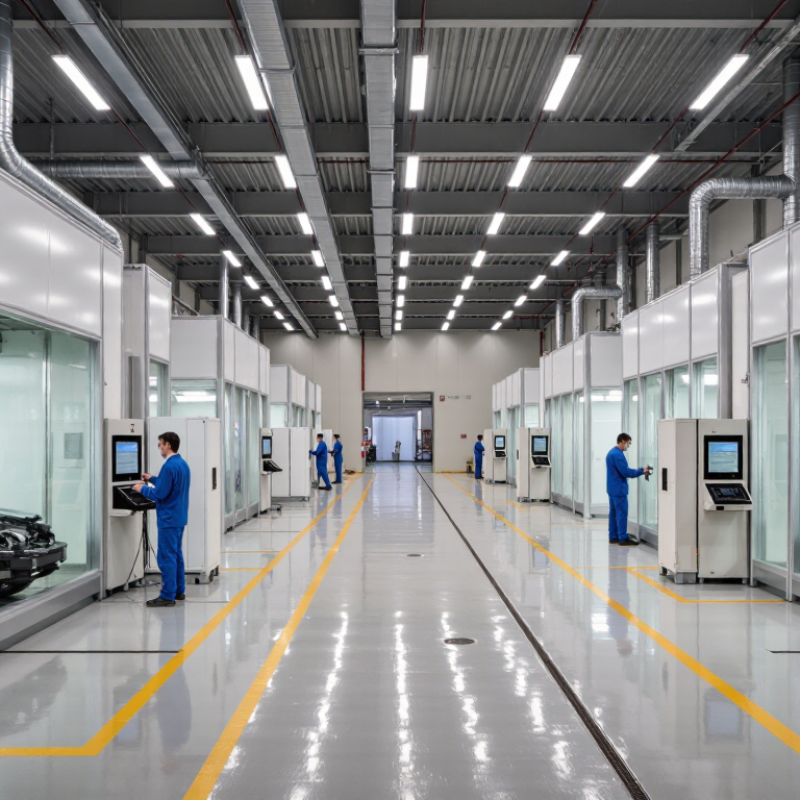
Understanding paint booth manufacturers means looking beyond the booth itself. They design systems for different vehicle sizes, production volumes, and workshop layouts. A small repair shop may need a compact downdraft booth, while a factory may require a larger line with controlled material flow. Airflow, filtration, lighting, and heat management affect both finish quality and daily operating costs. Details matter. A poorly placed intake can collect dust, even when the booth looks clean.
The global market includes manufacturers, engineering firms, and local installation partners. Their roles can overlap, so buyers should clarify who handles site measurements, commissioning, and operator training. Compare airflow data, filter access, construction materials, and the availability of replacement parts. Ask for drawings that show duct routes and service clearances; a booth that fits on paper may be awkward to maintain in a real workshop. Regional climate and power supply can also affect equipment choices. A specification sheet can still leave gaps. Request clear answers about performance testing and after-sales support before comparing prices. The lowest quote may exclude installation or future service, and that is easy to miss.
Key Criteria for Evaluating Paint Booth Suppliers
A dependable paint booth supplier should explain how its design fits your parts, coatings, production rate, and available floor space. Ask for airflow diagrams, filtration details, and clear specifications for temperature and humidity control. A measured airflow report is more useful than a broad performance claim. Numbers matter.
Inspect the booth’s doors, seals, lighting, and access panels. These details affect daily work and maintenance. Request information about filter replacement, cleaning access, spare-part availability, and technician response times. Check whether commissioning includes airflow checks and operator training. Talk with buyers using similar processes, and ask what required adjustment after installation. It happens. A low purchase price may come with higher energy use or slower support, so compare operating costs over several years. The comparison is not always neat. A supplier should be willing to discuss limitations, not just ideal operating conditions. Ask how its team handles changing workloads, unusual part sizes, or problems found during setup. That conversation can reveal more than a polished brochure.
How to Compare Booth Types, Safety Standards, and Customization
Comparing paint booth manufacturers starts with the work the booth must handle. Crossdraft systems move air horizontally, while downdraft designs pull it through the floor. Semi-downdraft booths can suit facilities where a full pit is impractical. Batch booths fit varied, lower-volume jobs; conveyor systems support steady production. None is best for every shop. Fit matters.
Ask for airflow data, filter specifications, temperature limits, and a clear description of how exhaust is handled. Safety features should match the coating materials and local requirements. Review ventilation, fire protection, electrical design, and worker access with qualified safety professionals. Check the paperwork. Request relevant test records and installation details, not just a general claim of compliance. A booth can look impressive in a brochure and still be wrong for your building.
Customization should reflect actual part sizes, loading methods, available floor space, and expected production—not only a future expansion plan. Discuss door locations, lighting, controls, maintenance access, and filter replacement before approving drawings. Ask how the supplier verifies airflow after installation and what training is included. Small details count. Even careful comparisons have limits: quoted energy use and throughput may depend on site conditions, so treat early estimates as estimates and confirm them against your process.
Paint Booth Safety: OSHA Airflow Baseline
OSHA 29 CFR 1910.107(b)(5)(i) specifies an average air velocity of at least 100 feet per minute through the booth cross-section for covered spray operations, subject to the provision’s stated exception. Use this as a U.S. safety reference—not a universal global requirement—and verify applicable local codes and booth-specific requirements.
Profiles of 10 Paint Booth Manufacturers for Global Buyers
Profiles of ten paint booth manufacturers should compare engineering choices, not just catalogue photos. Buyers need to examine booth dimensions, airflow design, filtration stages, heating options, controls, and installation support. Ask for airflow and temperature-uniformity data under stated operating conditions. A polished brochure is not a performance test.
Energy deserves close attention. The IEA’s Energy Efficiency 2023 report attributes roughly 37% of global final energy use to industry, making curing efficiency a practical comparison point. The U.S. Department of Energy’s Improving Compressed Air System Performance sourcebook says compressed air uses about 10% of electricity in U.S. industry. Compare fan power, burner or electric-heater demand, and maintenance access across each profile. Small details matter. A filter that is awkward to reach can become an everyday cost.
A useful profile also records project experience, commissioning support, spare-parts availability, and the clarity of technical documentation. Request references for installations with similar vehicle or component sizes. Check whether quoted capacity includes the intended workload and shift pattern. Some comparisons remain imperfect: published energy figures may use different test conditions. State that limitation, and ask each supplier for comparable figures before deciding.
Assessing Service, Installation, and Support Across Regions
For global buyers, a paint booth manufacturer’s service network matters as much as the booth itself. Ask who handles installation, how quickly technical support responds, and whether spare filters, motors, and control components are available near your site. A technician several time zones away may still help, but delayed troubleshooting can extend downtime. Request regional service contacts and written response expectations before comparing proposals.
Installation quality depends on more than delivering equipment to the door. A capable team should review the site, confirm clearances, and coordinate ventilation, electrical connections, and floor preparation. During commissioning, operators should learn routine inspections, filter changes, and safe shutdown procedures. Ask for a clear handover record and a plan for follow-up support. Details can be missed, even with experienced crews; confirm responsibilities in writing.
Tips: Ask for references from installations in a similar climate and production setting. Check whether training is available in your team’s working language. Confirm which parts are stocked locally and which must be shipped. A short response-time promise is useful, but test what it means in practice: remote advice, an on-site visit, or both. Keep the questions practical. A real service plan should name people, timelines, and next steps.