
A Rubber Slitter Cutting Machine can determine whether a rubber sheet leaves production with clean edges, consistent widths, and minimal waste. The difference is visible on the shop floor: a wandering cut, rough edge, or uneven strip can complicate the next operation. Buyers therefore need to compare more than price. Blade design, slitting width, speed control, material handling, and maintenance access all matter.
Industry context helps frame the decision. The International Rubber Study Group’s World Rubber Industry Outlook tracks global rubber production, consumption, and trade—factors that influence demand for processing equipment. But market growth alone cannot identify the right machine. Buyers should match specifications to rubber type, sheet thickness, daily throughput, and required tolerances, then verify performance with actual material trials. Small details matter.
A useful comparison should also distinguish proven capabilities from sales claims. Ask suppliers for sample cuts, operating limits, blade replacement guidance, and references from similar applications. These checks are practical, though they can take more time than a brochure review. No source material here verifies a named Rubber Slitter Cutting Machine expert’s quotation, so I have not invented one. This guide instead focuses on criteria buyers can inspect and confirm when evaluating the 7 Best Rubber Slitter Cutting Machines for Sale.
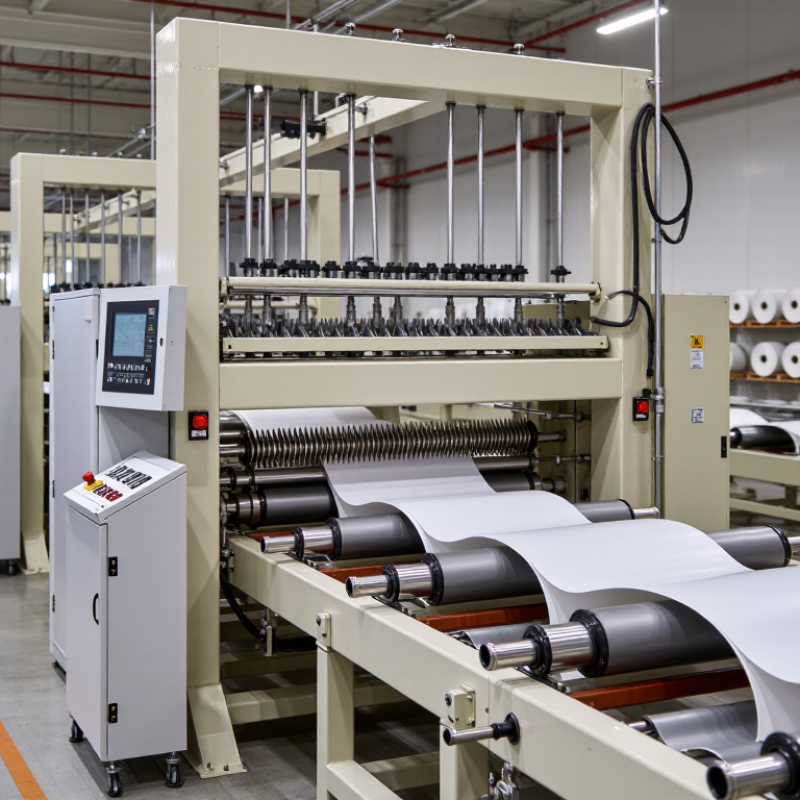
A rubber slitter cutting machine cuts rubber sheets or rolls into narrower, more consistent strips. The material feeds between rollers while rotary blades or fixed knives make lengthwise cuts. Operators can adjust blade spacing to suit different strip widths. This helps prepare rubber for gaskets, seals, belts, and other downstream parts. The machine does not make every cut perfect, though. Rubber hardness, thickness, and surface texture can vary, affecting feed and edge quality.
The scale of rubber use gives this equipment practical context. The U.S. EPA’s 2018 Advancing Sustainable Materials Management report estimated that 4.3 million tons of tires were generated in the United States, with 2.6 million tons recycled. Those figures describe tires, not slitter output, but they show the volume of rubber material that may require organized processing. A slitter’s useful performance depends on the material and setup, so published production speeds should be checked against real operating conditions.
Tips: Test a short sample before running a full roll. Measure strip width at several points, and inspect the cut edges for tearing or compression. Match blade spacing and sharpness to the rubber’s thickness and firmness. Keep guards in place, and stop the machine before adjusting blades. A small setup error can waste material.

Main Types of Rubber Slitter Cutting Machines
Rubber slitter machines are commonly classified by blade design and feeding method. Rotary slitter machines use circular knives to cut rubber rolls into continuous strips. They suit steady production, especially when operators need consistent widths across long rolls. A clean blade and stable tension matter. Rubber stretches, so the feed settings may need adjustment between materials.
Shear slitters cut between two overlapping circular blades. This action can produce cleaner edges on thicker or tougher rubber than a single-blade setup. Razor slitters use a sharp, thin blade and are better suited to softer, thinner sheets. They need careful alignment. Small errors show quickly. Gang slitter machines carry several blades on one shaft, allowing multiple strips to be cut in a single pass. That saves handling time, though blade spacing limits available widths.
Choosing a machine depends on rubber thickness, hardness, roll diameter, and required strip width. For example, a firm rubber roll may feed differently from a soft, tacky sheet. Test cuts help reveal fraying, stretching, or uneven edges before full production. No setup is perfect. Operators should also check how often blades need sharpening and whether the machine holds alignment during longer runs.
A rubber slitter should match the material you actually process, not just the widest roll in its product sheet. Compare the maximum and minimum roll widths, material thickness range, and rated cutting speed. Check whether those figures apply to rubber with similar hardness and flexibility. A soft sheet may feed differently from a dense, reinforced compound. Test your actual compound.
Blade design matters. Ask whether blades can be adjusted or replaced easily, and what edge types suit your required cut. A clean edge on a sample strip is more useful than a general accuracy claim. Also examine the feed system: stable tension and aligned rollers help reduce wandering and uneven widths. Small setup changes can still affect results, so request a demonstration using a realistic material sample.
Consider operator safety and daily maintenance alongside output. Guards should keep hands clear of blades while allowing practical access for cleaning and setup. Ask how often blades need inspection, how long routine changes take, and whether common wear parts are readily available. Noise, floor space, and power requirements matter on a busy shop floor. I would be cautious about choosing by speed alone; a fast machine can create more scrap if setup is difficult. Compare written specifications with trial cuts and record the settings used.
Compare common slitting configurations by typical precision, throughput, and setup flexibility. Scores are indicative buying-guide ratings (1 = lower, 5 = higher), not manufacturer specifications or results from a standardized test. Actual performance depends on the machine, material, tooling, and operating conditions.
Before buying, confirm compatible rubber thickness and hardness, required slit-width tolerance, maximum roll width and diameter, line speed, blade or tooling options, and guarding requirements with the supplier.
Choosing among seven rubber slitter cutting machines for sale starts with the material, not the machine’s advertised speed. The International Rubber Study Group’s World Rubber Industry Outlook estimated global rubber demand at about 30 million tonnes in 2023. That scale of use makes consistent converting important, but a buyer’s actual needs depend on sheet thickness, hardness, roll width, and production volume.
A clean cut matters. Ragged edges can create extra trimming and waste, especially when narrow strips must stay uniform.
Common options include manual bench slitters for small batches, powered straight-knife cutters, rotary-blade slitters, guillotine cutters, roll-fed slitters, oscillating-knife CNC machines, and automatic-feed systems. Rotary blades suit continuous rolls; guillotines handle firm sheets and straight cuts. CNC models offer flexible profiles, while automatic feeding can reduce repetitive handling.
Check blade adjustment, guarding, spare-blade availability, and how quickly operators can change settings. Ask for a test using your own rubber; sample material can behave differently from production stock.
A faster machine is not always the better purchase. It may increase scrap if feed tension or blade pressure is poorly matched.
Choosing a rubber slitter starts with the material, not the machine’s advertised speed. Record the sheet or roll width, thickness range, rubber hardness, and daily output target. A machine designed for thin gasket stock may struggle with thick, elastic rolls. A wide working table can also waste floor space when most jobs use narrow strips. Small details matter. For mixed production, compare adjustment range and changeover time, not just maximum capacity. Bring samples of the hardest and softest compounds you routinely process. Rubber can stretch, warm, or deform during cutting, so a specification sheet cannot predict every batch perfectly.
Ask how operators set blade spacing, control feed tension, and maintain consistent cuts across a full roll. Observe edge quality at both ends; a clean first cut does not prove repeatability. For high-volume work, compare cycle rate with blade life, maintenance access, and replacement-part availability. Check whether operators can load rolls safely and reach controls without awkward movements. Keep guards and accessible emergency stops in the specification. Request a trial with your own material, then record cut width, edge finish, and setup time. One test may not represent every shift, but it can expose a mismatch before installation.
Copyright ©2024 Elephant Lifting Products | All rights reserved.
38381 N Robert Wilson Rd, Gonzales, LA 70737 USA
Toll Free: (888) 844-6113 | Phone: (225) 644-6113 | Fax: (225) 644-6695
Email: sale@floralift.org