
Choosing the right Js1500 Concrete Mixer requires more than comparing prices on a supplier’s website. Global buyers must examine production capacity, local materials, transport conditions, and long-term service support. A mixer may look powerful in a factory video, yet perform poorly with inconsistent aggregate or unstable electricity.
Concrete equipment consultant David Miller explains, “A reliable mixer is chosen around the buyer’s real workflow, not the supplier’s biggest specification.” This practical view matters when reviewing the Js1500 Concrete Mixer. Its rated capacity should match the required batch size, while the mixing cycle must support the project’s daily schedule. Buyers should also check the maximum aggregate diameter, discharge height, motor configuration, and water-entry system.
Think about the site.
Will the mixer operate near a highway project, a housing development, or a remote plant? Each location creates different demands. Reinforced blades, accessible wear parts, and a strong frame can reduce downtime. However, buyers should not assume that heavier construction always means better value. Excess weight may increase shipping costs and complicate installation.
Supplier communication is equally important. Request drawings, spare-parts lists, operating videos, warranty terms, and references from comparable projects. Ask who will provide technical support after delivery. Small details often reveal large differences.
The cheapest quotation can be tempting. It may also become expensive later. A careful evaluation of output, durability, maintenance, energy use, and support will produce a more dependable purchasing decision. Still, no checklist replaces a site-specific assessment. The final choice should reflect actual working conditions, not marketing language alone.
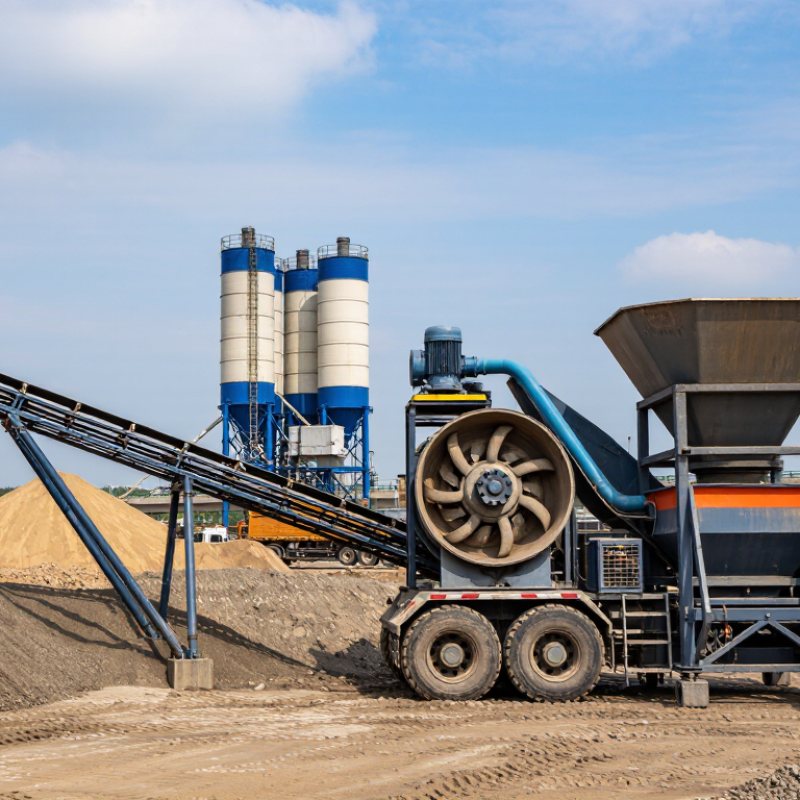
A JS1500 concrete mixer is commonly rated for a 1,500-liter discharge batch. Many models use twin horizontal shafts with interlocking paddles. These paddles force cement, aggregates, water, and admixtures through a dense mixing zone. Gravity alone does not control the process.
Typical specifications may include two drive motors, a hydraulic discharge gate, and a mixing cycle of about 45 to 60 seconds. Actual motor power, shaft speed, dimensions, and productivity differ by configuration. The numbers vary. A buyer should request a signed data sheet, not rely on a sales image. Rated output may also fall when aggregates contain excess moisture or the loading sequence is poor.
During operation, coarse aggregate enters with part of the water, followed by cement and remaining materials. The shafts rotate in opposite directions, lifting and folding the batch repeatedly. Operators should check paddle wear, shaft seals, gearbox oil, and gate movement every working shift. Small details matter. In field projects, uneven moisture often causes more trouble than the mixer itself. Power frequency, local voltage, foundation strength, spare-part access, and safety guarding require confirmation before purchase. A 1,500-liter mixer may suit a large construction site, but it can be inefficient for smaller batches. The ideal choice is not always the largest one.

JS1500 Mixer Specifications and Working Principles
A JS1500 mixer typically has a nominal discharge capacity of 1.5 m³ per batch and a feeding capacity of approximately 2.4 m³. With a cycle time of about 60 seconds, its theoretical output can reach around 75 m³ per hour, depending on material characteristics, loading efficiency, moisture content, and operating conditions. The twin horizontal shafts provide intensive counter-current mixing for consistent concrete quality.
How to Choose a JS1500 Concrete Mixer for Global Buyers?
A JS1500 mixer is typically designed for about 1.5 cubic meters per batch. However, rated capacity is not the same as daily production. Real output depends on loading time, mixing duration, discharge speed, and cleaning intervals. A practical estimate should include truck arrivals, operator experience, and aggregate moisture. Many buyers calculate only the mixing cycle. That can produce an overly optimistic result.
Concrete quality deserves equal attention. The mixer should create a uniform blend without visible dry pockets or excessive mortar buildup. Check the twin-shaft mixing action, blade condition, liner design, and discharge performance. Accurate weighing systems are essential for stable cement, water, and admixture ratios. Moisture sensors can improve consistency, especially when sand conditions change. Trial batches should be tested for slump, strength, and uniformity under local materials. A specification sheet never tells the whole story.
Tips: Compare expected hourly demand with realistic cycle output. Leave capacity for maintenance and delivery delays. Ask for material compatibility tests before purchase. Inspect calibration records and request documented quality-control procedures. If concrete quality varies between batches, investigate moisture and weighing accuracy first. It is easy to blame the mixer too quickly.
A JS1500 concrete mixer should be matched to the jobsite, not selected from capacity alone. Its nominal 1.5-cubic-meter batch suits medium production, but actual output depends on mix design, loading rhythm, and discharge time. On a narrow urban site, measure gate width, turning radius, and slab strength before ordering. A machine that fits the plant may still fail during delivery. Keep that nuance in mind.
Local aggregates deserve close attention. Coarse stone with high moisture can change the water balance and increase mixing resistance. Test the largest particle size, sand grading, and required slump with trial batches. In hot, dry regions, consider reliable water dosing, shaded controls, and shorter transfer routes. In cold or wet areas, inspect insulation, drainage, and corrosion protection. Dusty sites also need sealed electrical cabinets and a practical cleaning routine.
Power supply often decides the configuration. Confirm voltage, frequency, phase, transformer capacity, and backup power before installation. If grid power is unstable, a generator may need extra starting capacity, not just matching running watts. Verify local electrical and safety requirements with a qualified installer. Ask local technicians about bearing access, wear-part availability, and emergency response times. Their advice is valuable. I would also allow more clearance than the drawing shows; real sites collect hoses, tools, and spilled aggregate. Some early plans ignore this, and operators pay through slower loading and unsafe maintenance. Review the layout with the crew who will use it daily.
A JS1500 mixer usually handles about 1.5 cubic metres per batch, but actual output depends on moisture, aggregate size, and loading time. Electric drive suits fixed plants with stable three-phase power. Diesel or hybrid systems offer flexibility on remote projects, but fuel quality, emissions rules, and generator sizing require careful checking.
The International Energy Agency reported that cement production creates roughly 2.5 gigatonnes of direct CO₂ emissions annually. Efficient motors and shorter idle periods therefore matter beyond operating cost. A 2023 IEA pathway also stresses energy efficiency as a major decarbonisation measure.
Inspect materials closely. Hardened alloy liners resist abrasive sand and stone better than ordinary steel. The European Standard EN 206 emphasizes controlled concrete production, yet it cannot protect poor mechanical design.
Check shaft seals, mixing arms, discharge gates, and weld quality. Ask for hardness values, material certificates, and replacement-part dimensions. Small details matter. I have seen neglected seals turn a clean mixing area into a slurry-covered floor within one shift.
Maintenance planning should match local skills and climate. Daily cleaning prevents hardened concrete around blades and gates. Weekly checks should cover grease points, bolt torque, belt tension, and abnormal vibration.
The U.S. Occupational Safety and Health Administration highlights lockout procedures before servicing powered equipment. That requirement should influence electrical isolation design, not remain a document in an office.
Dust, humidity, and inconsistent lubricants can shorten service life. Buyers sometimes focus too heavily on motor power. That is an imperfect shortcut. Availability of parts and trained technicians may decide the mixer’s real productivity.
Choosing a JS1500 mixer requires more than comparing purchase prices. Evaluate the supplier’s production history, technical drawings, inspection records, and after-sales response. Ask for a complete quotation, including the mixer body, motors, control cabinet, wear parts, and testing. A reliable supplier should explain mixing capacity, discharge time, power requirements, and recommended maintenance intervals. Request videos of factory testing when a site visit is impossible. Documents matter.
Shipping can change the project budget quickly. Confirm the packed dimensions, gross weight, loading method, and port of departure. Compare container shipping with breakbulk options for oversized components.
Installation also needs planning. Check whether the supplier provides manuals, remote guidance, commissioning support, and a spare-parts list. Local electricians may need clear wiring diagrams. Do not assume every technician understands the same standards. That assumption can be costly.
Tips: Build a total-cost sheet before signing. Include equipment price, inland transport, ocean freight, insurance, customs charges, foundation work, cables, labor, commissioning, and future wear parts. Keep a reserve for exchange-rate changes and port delays. A cheaper offer may exclude essential components. I would also ask for references from projects with similar climate and production demands. Even careful reviews can miss small costs, such as lifting equipment or storage fees. Recheck those details.
Copyright ©2024 Elephant Lifting Products | All rights reserved.
38381 N Robert Wilson Rd, Gonzales, LA 70737 USA
Toll Free: (888) 844-6113 | Phone: (225) 644-6113 | Fax: (225) 644-6695
Email: sale@floralift.org