
Choosing a Pdu Network Rack in 2026 requires more than comparing outlet counts and purchase prices. Modern server rooms demand stable power, accurate monitoring, efficient cooling, and safer maintenance access. A suitable unit should match rack dimensions, voltage requirements, connector types, and the equipment’s real operating load. Small mistakes matter.
Experienced data center technicians usually begin with measured power data, not estimates. They check peak demand, phase balance, circuit capacity, and future expansion plans. Remote monitoring may provide current, voltage, temperature, and energy readings through secure network interfaces. However, these features are useful only when the software integrates with existing management systems. A dashboard that nobody trusts becomes expensive decoration.
This guide explains how to evaluate a Pdu Network Rack for reliability, manageability, and long-term value in 2026. It considers intelligent switching, outlet sequencing, environmental sensors, cybersecurity controls, and compatibility with uninterruptible power systems. Manufacturer specifications, independent certifications, warranty terms, and technical support should influence the decision. They are not merely sales details.
Real installations also reveal uncomfortable truths. A high-density rack can exceed assumptions during startup, while a short cable may block airflow or strain an outlet. Some monitoring functions require licenses or network expertise. That is easy to overlook. Careful planning, documented testing, and periodic review can reduce these risks. The best choice is not always the most advanced model. It is the PDU that performs consistently, fits the rack, and remains understandable during a midnight incident.
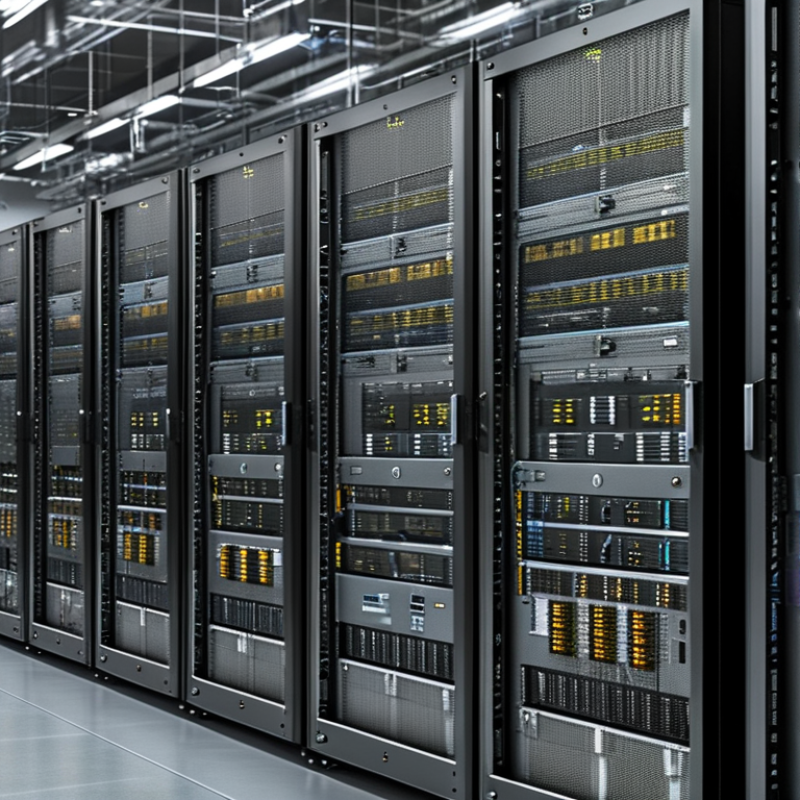
A PDU network rack is a rack-mounted power distribution unit with a built-in network interface. It receives electricity from an upstream circuit and sends it to servers, switches, storage devices, and other equipment. Unlike a basic power strip, it can measure voltage, current, power usage, and outlet status. Some models also include temperature and humidity sensors.
Its controller connects through Ethernet and communicates with approved management software using protocols such as HTTPS or SNMP. Administrators can view live readings, set alerts, and switch individual outlets when the hardware supports remote control.
For example, an alert may appear when a cabinet reaches 70% of its safe load. A technician can then inspect the rack before a breaker trips. Remote rebooting is useful, but it should require role-based access and clear approval rules.
Choosing a PDU network rack in 2026 requires more than checking the outlet count. Match the input voltage, phase, plug type, and circuit rating to the facility’s electrical design. Leave practical headroom for new equipment.
A fully loaded PDU looks efficient, yet it leaves little room for faults or expansion. Check outlet spacing, cable retention, display accuracy, firmware updates, and logging depth.
A neat dashboard can still mislead if sensors are poorly calibrated. Test alerts under controlled conditions, document every connection, and review whether remote switching is genuinely needed.
Sometimes, simple monitoring is safer than adding another control feature.

How to Choose a PDU Network Rack in 2026?
Choosing a network rack PDU starts with the power entering your cabinet. Check the facility voltage, phase, amperage, and input connector before comparing features. A 230V single-phase PDU may suit a compact server rack, while larger installations can require three-phase power. Never select capacity from an online estimate alone. Measure actual load with a calibrated meter. Leave at least 20% headroom for startup surges, seasonal growth, and measurement errors. My early estimates were often too optimistic.
Capacity must match both present equipment and realistic expansion. Add the wattage of servers, storage units, switches, and cooling accessories. Then compare the total with the PDU’s rated load and each circuit’s limit. A networked PDU should provide remote metering, outlet-level switching, temperature monitoring, and clear alarm thresholds. These tools help technicians identify an overloaded circuit without opening the rack. Still, network access is not a substitute for safe electrical testing.
Tips: Count outlets by connector type, not just total quantity. C13 outlets may fit many devices, while C19 outlets support higher-power equipment. Check outlet spacing around bulky power supplies. Confirm whether your equipment needs locking connections. Keep separate power paths for critical systems when possible. Label every cable. It sounds minor, but poor labeling slows emergency work. Review the plan with a qualified electrician, because local installation rules and site conditions can change the correct choice.
| Typical Rack Profile | Recommended Input | Nominal Capacity | Recommended Continuous Load* | Typical Outlet Configuration | Best-Fit Equipment | Useful PDU Functions |
|---|---|---|---|---|---|---|
| Small office or edge rack | 120 V, 15 A, single-phase | 1.80 kVA maximum circuit rating Approximately 1.44 kW at 0.80 power factor | Up to 1.15 kW at an 80% planning limit | 8–12 × 5-15R receptacles | Network switches, routers, firewalls, compact servers, and small UPS systems | Basic metering, overload protection, 1U horizontal or vertical mounting |
| Standard single-phase server rack | 208 V, 20 A, single-phase | 4.16 kVA maximum circuit rating Approximately 3.33 kW at 0.80 power factor | Up to 3.33 kW at an 80% planning limit | 12–24 × C13; optional C19 outlets | General-purpose servers, storage arrays, network appliances, and telecom equipment | Network monitoring, remote current readings, temperature sensing, and branch-level alerts |
| International 230 V rack | 230 V, 16 A, single-phase | 3.68 kVA maximum circuit rating Approximately 2.94 kW at 0.80 power factor | Up to 2.94 kW at an 80% planning limit | 12–24 × C13; 2–6 × C19 where required | Rack servers and IT equipment using IEC power connections | Metered input, outlet-level switching, sequencing, and remote reboot control |
| High-density single-phase rack | 230 V, 32 A, single-phase | 7.36 kVA maximum circuit rating Approximately 5.89 kW at 0.80 power factor | Up to 5.89 kW at an 80% planning limit | 18–36 × C13; 4–12 × C19 | Virtualization hosts, dense storage, GPU workstations, and high-wattage servers | Load balancing, outlet groups, circuit alarms, environmental sensors, and IP management |
| North American high-density rack | 208 V, 30 A, single-phase | 6.24 kVA maximum circuit rating Approximately 4.99 kW at 0.80 power factor | Up to 4.99 kW at an 80% planning limit | 24–36 × C13; 4–12 × C19 | High-density compute, storage, and mixed enterprise IT loads | Per-outlet metering, remote switching, user access control, and alarm notifications |
| Three-phase data-center rack | 400 V, 16 A, three-phase | 11.09 kVA maximum circuit rating Approximately 8.87 kW at 0.80 power factor | Up to 8.87 kW at an 80% planning limit | 18–36 × C13; 6–12 × C19 | High-density server racks and installations requiring better phase utilization | Per-phase monitoring, phase imbalance alerts, power-quality readings, and remote control |
| Very high-density three-phase rack | 415 V, 32 A, three-phase | 23.01 kVA maximum circuit rating Approximately 18.41 kW at 0.80 power factor | Up to 18.41 kW at an 80% planning limit | 24–42 × C13; 8–18 × C19 | Accelerated-computing systems, dense virtualization, and high-performance workloads | Three-phase load balancing, detailed energy reporting, outlet-level control, and environmental integration |
| Telecom or shallow network cabinet | 230 V, 10 A, single-phase | 2.30 kVA maximum circuit rating Approximately 1.84 kW at 0.80 power factor | Up to 1.84 kW at an 80% planning limit | 8–12 × C13 or regional IEC-compatible outlets | Switches, wireless controllers, transmission equipment, and compact edge appliances | Compact vertical mounting, basic current display, surge protection, and remote alarm contacts |
Choosing a PDU network rack starts with accurate measurements, not attractive specifications. Measure the cabinet’s usable height in rack units, internal depth, and rear clearance. A 42U cabinet may still fail if the PDU body blocks cable managers or airflow. Leave space around plugs and network ports. Small gaps matter.
Check the mounting method against the rack rails. Vertical PDUs usually need zero-U channels, while horizontal models occupy one or two rack units. Confirm rail spacing, screw positions, and the device’s weight when fully connected. I have seen installations fit on paper but fail when thick power cords pushed against the rear door. Plan cable bends before ordering.
Network compatibility requires more than an Ethernet socket. Look for support for the required voltage, current rating, outlet type, and phase configuration. For monitoring, verify IPv4 or IPv6 support, DHCP and static addressing, secure web access, and SNMPv3 where required. Check whether the unit can operate across your VLAN structure and integrate with existing alerts or APIs. Test authentication policies with your network team. Nearly compatible is not compatible. Firmware support also deserves attention, including update procedures and recovery options. I would not trust a single compatibility table; installation conditions often expose details that product documents miss.
Choosing a network rack PDU in 2026 means choosing visibility before convenience. The International Energy Agency’s Electricity 2024 report estimates that data centres used about 460 TWh globally in 2022, with demand potentially exceeding 1,000 TWh by 2026. Accurate metering matters. Look for outlet, branch, and total-load readings, plus voltage, current, power factor, and energy consumption. Temperature and humidity sensors add useful context around the rack.
Safety features should prevent small errors from becoming expensive outages. Select overload protection, branch-level alerts, circuit-breaker status, and clear load-balancing guidance. A PDU should support safe installation under applicable IEC requirements and local electrical codes. The Uptime Institute’s 2024 Global Data Center Survey continues to identify power problems as a leading cause of serious service interruptions. Redundant feeds help, but they do not correct poor cabling or overloaded circuits.
Management features deserve equal attention. I prefer encrypted web access, secure network protocols, role-based permissions, audit logs, and firmware updates with rollback options. Integration through SNMPv3 or a documented API can connect rack data with existing monitoring systems. Remote outlet switching is useful, yet it needs confirmation steps and access controls. Convenience can become dangerous. I still distrust dashboards that show perfect data without sensor calibration records. False alarms waste attention, while silent failures create worse surprises. Test notifications under real operating conditions, and review the results with technicians who know the rack’s physical layout.
How to Choose a PDU Network Rack in 2026?
Compare installation, maintenance, and lifetime cost before checking advanced features. A network-managed PDU should fit the rack depth, outlet layout, voltage, and available circuit capacity. Measure twice. A shallow cabinet may leave little room for plugs and airflow. During installation, look for clear labeling, replaceable input cords, secure mounting, and remote commissioning. These details reduce technician hours and prevent avoidable rewiring.
Maintenance costs often hide behind the purchase price. Choose a PDU with outlet-level monitoring, temperature alerts, and reliable event logs. Remote access can reduce site visits, especially across smaller facilities. Uptime Institute’s 2024 Global Data Center Survey continues to identify power problems as a major outage cause. A failed connection can cost more than the PDU itself. Still, monitoring is not magic; poorly configured alerts create noise and missed warnings.
Long-term energy use deserves careful calculation. The International Energy Agency estimated data centers used about 415 TWh globally in 2024, with demand potentially reaching 945 TWh by 2030. Accurate metering helps identify overloaded circuits and inefficient equipment. Compare five-year costs, including electricity, inspections, firmware support, replacement parts, and downtime exposure. A cheaper unit may demand more manual checks. I have seen spreadsheets look perfect until labor and access delays were added. That part deserves a second review.
Copyright ©2024 Elephant Lifting Products | All rights reserved.
38381 N Robert Wilson Rd, Gonzales, LA 70737 USA
Toll Free: (888) 844-6113 | Phone: (225) 644-6113 | Fax: (225) 644-6695
Email: sale@floralift.org