How to Choose Intelligent Forklifts at the 2026 Canton Fair?
As the Canton Fair approaches in 2026, many companies seek to invest in Intelligent Forklifts-Chinese. These advanced machines play a crucial role in warehouse automation, reflecting a growing trend in the logistics sector. According to a recent industry report, the global market for intelligent forklifts is expected to grow by 12% annually, driven by innovations in AI and IoT technology.
During the fair, from April 15-19, intelligent forklifts will showcase cutting-edge capabilities. Buyers can explore products that meet international certifications like ISO and CE. With the introduction of AI-driven search and navigation at the fair, specific requirements can easily be matched. This innovation dramatically improves efficiency within a vast exhibition space of 1.55 million square meters.
However, selecting the right intelligent forklift is not always straightforward. Various models and features must be considered. Some companies may overlook factors such as after-sale support or integration with existing systems. Investing in the right technology should involve thorough research and self-reflection on company needs. Understanding these aspects is vital for making informed decisions in a rapidly evolving market.
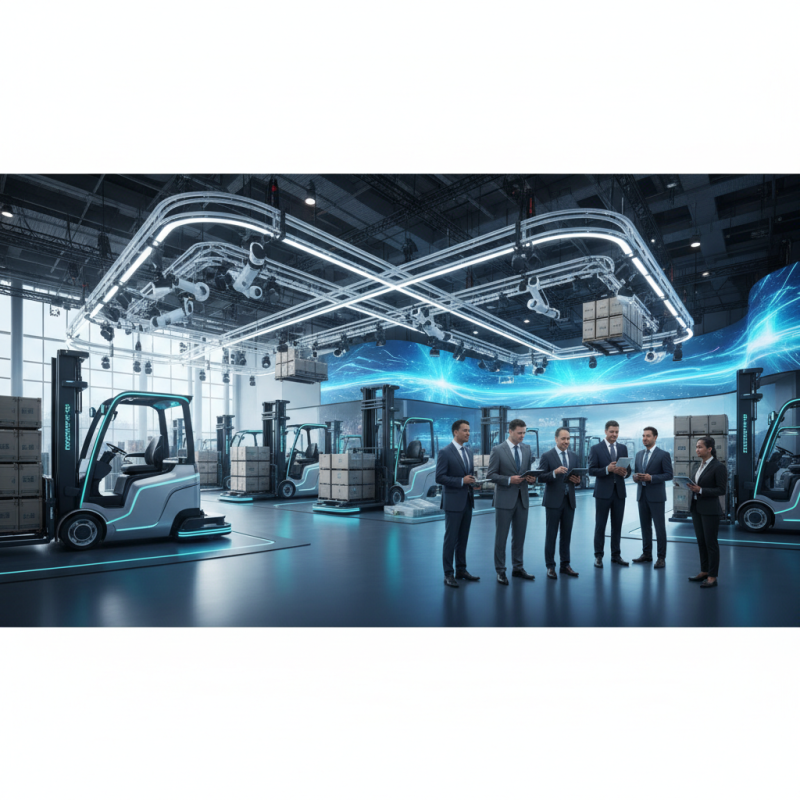
Factors to Consider When Selecting Intelligent Forklifts at Trade Shows
When selecting intelligent forklifts at the 2026 Canton Fair, certain factors should be at the forefront. Performance is crucial. Look for forklifts that offer high efficiency in various environments. Battery life matters too. Some models may run out of power quickly, which can disrupt operations.
Tips for evaluating performance: Observe how quickly the forklift responds during demonstrations. Is it smooth and efficient? Check the specifications. Specifications often reveal a lot.
Safety features are non-negotiable. Ensure that the forklifts have advanced safety systems to avoid accidents. Stability is another key aspect. A forklift that tips easily can lead to severe injuries.
Quick tip: Consider how easy it is to manipulate the controls. Ergonomics play a pivotal role when it comes to operator comfort.
Consider the support the manufacturer offers post-purchase. Sometimes, a low price comes with limited support. This can lead to difficulties down the road. Reflect on how much support you might really need.
Understanding the Benefits of Automation in Forklift Technology
In recent years, automation in forklift technology has changed the industry. These intelligent forklifts offer enhanced efficiency and safety. They use sensors and software to navigate warehouses. This reduces human error and increases productivity. Workers can focus on more complex tasks. However, the initial investment can be daunting for some businesses.
Communicating with operators is crucial. Not all employees are familiar with high-tech equipment. Training programs may be necessary. Some workers might resist new technology due to fear or misunderstanding. Holding workshops can bridge this gap, fostering a collaborative environment.
Moreover, maintenance may be more complex. Intelligent forklifts require skilled technicians for repairs. Businesses must consider long-term costs too. Balancing automation benefits with potential complications is key. As companies evaluate their needs, they should weigh the pros and cons carefully.
Evaluating Fleet Management Systems for Intelligent Forklifts
When choosing intelligent forklifts, evaluating fleet management systems is crucial. Smart systems enhance efficiency and productivity in warehousing. Data from the Material Handling Industry reports that proper fleet management can increase warehouse efficiency by up to 30%. This impact is significant for businesses looking to optimize logistics and operational throughput.
Analytics play a vital role in fleet management. Real-time tracking and reporting help manage performance efficiently. This allows businesses to anticipate maintenance needs, reducing downtime. According to industry surveys, around 70% of companies using advanced fleet management experience lower operational costs. However, integrating these systems can be challenging and requires thoughtful implementation.
Investing in intelligent forklifts means facing many choices. Not all management systems deliver equal results. Companies should focus on user-friendly interfaces and robust data analysis capabilities. Some systems can feel overwhelming with excess features. Striking a balance between complexity and usability is essential. A well-selected fleet management system can enable better decision-making and future growth.
Intelligent Forklift Fleet Management Evaluation Metrics
Comparative Analysis of Leading Intelligent Forklift Brands and Models
Choosing intelligent forklifts at the 2026 Canton Fair can be daunting. There are many brands and models available. Each one has unique features. It is essential to understand your needs before making a choice.
Comparative analysis is key. Look for models with advanced navigation systems. Some forklifts use LiDAR or cameras for precise movement. Battery life is crucial. Some models last longer than others. Check for energy efficiency. This can save costs in the long term. Pay attention to lifting capacity as well. The right choice depends on your operational needs.
Tips for selection: Test each model if possible. Hands-on experience offers valuable insights. Talk to other users; they share practical feedback. Also, consider after-sales support. Effective service can save you trouble down the road. Reflect on your long-term needs; will technology still meet them in five years? Don’t rush your decision. Take time to compare different options.
Key Industry Trends Influencing Intelligent Forklift Design in 2026
As the 2026 Canton Fair approaches, understanding the evolving trends in intelligent forklift design becomes crucial. Manufacturers are increasingly focusing on automation and integration. This means smart forklifts can navigate complex environments with minimal human input. Enhanced sensors and AI technology are vital features to look for. These advancements improve safety and efficiency.
Tips for choosing the right intelligent forklift: Check the weight capacity and lifting height. A forklift must match your specific needs. Pay attention to battery life; longer operation reduces downtime. Additionally, consider the ease of maintenance. A complicated system may lead to delays and increased costs.
Another notable trend is sustainable design. Energy-efficient models are becoming more popular. Companies seek greener options to reduce their carbon footprint. However, not all innovations perform as expected. Testing and feedback are essential. Some designs may have quirks that need attention. Ensure you have a reliable source for support. Being aware of these factors can prepare you for informed decision-making.
How to Choose Intelligent Forklifts at the 2026 Canton Fair? - Key Industry Trends Influencing Intelligent Forklift Design in 2026
| Trend | Description | Impact on Design | Technological Focus |
| Automation | Increased use of automated systems in forklifts for efficiency. | Designs prioritize automation-friendly structures. | AI, Machine Learning |
| IoT Integration | Forklifts connected to the internet for real-time data tracking. | Enhanced data systems and interfaces in design. | IoT Sensors, Cloud Computing |
| Energy Efficiency | Focus on lower energy consumption and sustainable practices. | Lightweight materials and efficient power management systems. | Electric Power Systems, Battery Technology |
| User-friendly Interfaces | Designs that prioritize ergonomic controls and easier navigation. | Simplified control panels and user interfaces. | Touchscreens, Augmented Reality |
| Safety Enhancements | Incorporating advanced safety features to reduce accidents. | Robust safety mechanisms in design. | Sensors, Emergency Systems |