How to Choose the Best MCB Riveting Machine in 2026?
Choosing the right Mcb Riveting Machine in 2026 requires more than comparing prices and production speeds. The machine must deliver consistent rivet placement, stable pressure, and clean results across long production runs. A loose rivet can affect terminal alignment, assembly strength, and final inspection quality. Small deviations matter.
Real production experience offers useful warnings. Operators often notice problems before a specification sheet does. Listen for unusual vibration, uneven feeding, or repeated adjustments near the riveting head. Test several MCB samples, not just one perfect unit. Measure rivet height, contact alignment, cycle time, and rejection rates under normal factory conditions. A reliable supplier should provide trial data, maintenance guidance, training, and responsive technical support.
Safety and compliance also deserve close attention. Check guarding, emergency-stop functions, electrical protection, documentation, and compatibility with applicable industrial standards. Ask whether spare parts remain available after installation. A low purchase price may become expensive when downtime increases. Our first shortlist might look convincing, yet factory noise, dust, and operator habits can change the result. No machine is perfect. The better choice is the one with measurable performance and manageable weaknesses. This guide examines machine structure, automation, tooling flexibility, service support, energy use, and total ownership cost. It also highlights questions buyers sometimes overlook, such as changeover time and data traceability. Careful evaluation creates a safer process, steadier output, and stronger long-term value.
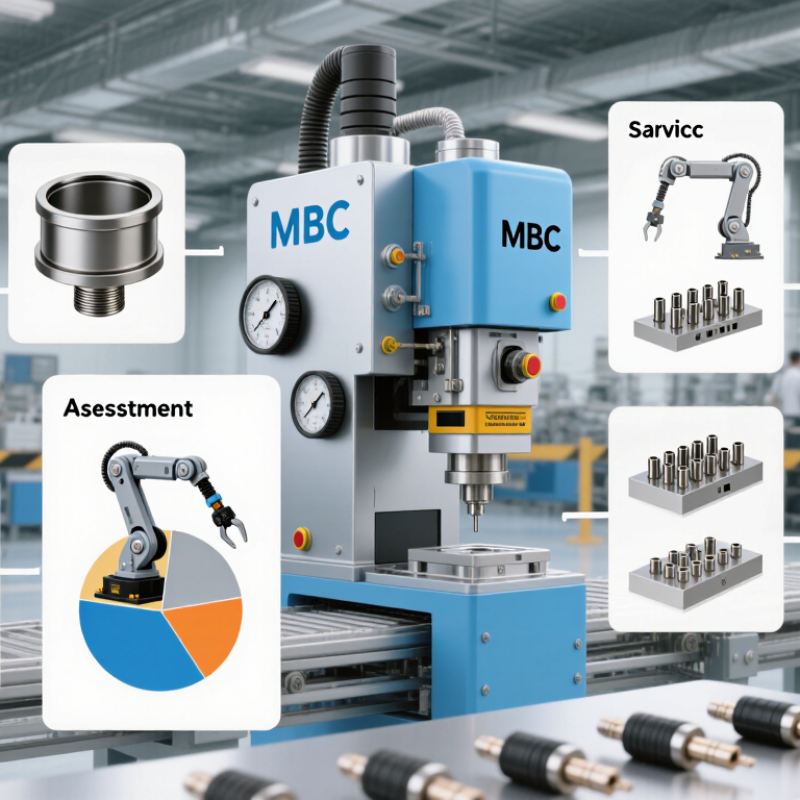
Understanding MCB Riveting Machines and Their Role in Circuit Breaker Production
Choosing the best MCB riveting machine in 2026 starts with understanding its production role. An MCB riveting machine joins internal components with controlled pressure and repeatable force. This connection must remain secure during assembly, testing, and long-term operation.
In practical production reviews, I examine rivet consistency before headline speed. A reliable machine should control stroke depth, riveting force, feeding accuracy, and cycle timing. Sensors can detect missing parts or misaligned components before defects continue downstream. Servo-driven systems often provide better adjustment than basic pneumatic equipment. However, higher automation does not always mean better results. A poorly calibrated machine may create expensive rejects faster.
Look closely at tooling access and changeover time. Operators need clear visibility around the riveting area. A useful design allows quick adjustment without complicated procedures. Noise, vibration, and maintenance access also affect daily productivity. Data logging can support traceability, but recorded data is only valuable when staff review it regularly. I have seen teams focus too heavily on output numbers and overlook loose rivets found during sampling. That is an uncomfortable lesson. Choose a machine that matches your MCB structure, production volume, quality controls, and operator skills. Trial riveting with real components remains essential before purchase.
Assessing MCB Riveting Machine Types, Compatibility, and Production Needs
How to Choose the Best MCB Riveting Machine in 2026?
Selecting an MCB riveting machine starts with the product, not the advertised cycle speed. MCB assemblies may require spin, orbital, or impact riveting, depending on rivet material and terminal design. Each method leaves a different head shape and applies force differently. Fit matters more. Check rivet diameter, shank length, panel thickness, and required head height before requesting quotations. A small mismatch can cause loose terminals, damaged insulation, or inconsistent electrical performance.
Compatibility testing should use real components, including springs, contacts, housings, and cover parts. Ask for adjustable tooling, controlled stroke, and force monitoring. Servo-electric systems often provide precise settings, while pneumatic machines may suit simpler, stable production. Hydraulic equipment can deliver high force, but maintenance and oil management deserve closer attention. Measure twice. In one practical trial, the machine met its cycle target but struggled during tooling changes. That weakness was easy to overlook.
Production needs should guide the final choice. Estimate hourly output, shift length, product variants, operator skill, and acceptable changeover time. A fast machine may be inefficient if every model requires manual alignment. Look for automatic feeding, presence detection, reject separation, and data recording when quality records matter. Test at least one full production batch, not only ten sample pieces. Noise, vibration, jam recovery, and access for cleaning also affect daily reliability. The first specification is rarely perfect, and thoughtful review of failed trials can prevent expensive adjustments later.
Comparing Key Performance, Precision, and Automation Features
How to Choose the Best MCB Riveting Machine in 2026?
Choosing an MCB riveting machine requires more than checking its advertised cycle speed. Measure the basics. Review stable output across an eight-hour production shift, not only during a short demonstration. A practical machine should maintain consistent riveting force, stroke length, and feeding speed. Watch each rivet closely. Loose heads, surface cracks, or uneven seating can reveal problems before final inspection. Ask for production samples using your actual MCB components and materials.
Precision depends on controlled movement and repeatable tooling. Look for adjustable riveting pressure, accurate guide rails, and sensors that detect missing or misaligned parts. A useful tolerance record should show real measurements, not vague claims. Small errors matter. Check noise, vibration, and temperature near the riveting head after continuous operation. These details often expose wear earlier than a software alarm. However, perfect precision on paper may fail when operators change fixtures or batches.
Automation should reduce handling without making troubleshooting confusing. Select systems with clear status screens, fault histories, recipe storage, and accessible emergency controls. Automatic feeding can improve consistency, but it also creates stoppages when parts vary slightly. Do not rush. Test recovery after an empty bowl, sensor fault, or jammed rivet. In my experience, maintenance teams value simple access more than impressive interfaces. A machine may need better guarding, clearer instructions, or slower initial setup. That is not a failure; it is useful evidence for the final decision.
Evaluating Safety, Maintenance, Operating Costs, and Supplier Support
How to Choose the Best MCB Riveting Machine in 2026?
Choosing the best MCB riveting machine requires more than comparing speed and purchase price. Safety should guide every inspection. Look for guarded moving parts, emergency stops, stable fixtures, and clear operating instructions. The machine should also control riveting force consistently, preventing loose joints or damaged components. Ask suppliers for safety test records and training materials. Small details matter.
Maintenance and operating costs often decide the real value. Check how easily operators can reach wearing parts, sensors, and lubrication points. A practical machine should support quick adjustments without extended production stoppages. I once underestimated setup time, and the lost labor cost exceeded the expected savings. Review electricity use, tooling life, spare-part prices, and preventive maintenance schedules. Cheap equipment can become expensive when downtime grows.
Tips: Request a live demonstration using your actual MCB components. Measure cycle time, noise, alignment, and rejected pieces. Ask how quickly technical support responds and whether remote troubleshooting is available. Confirm spare-part availability and service documentation before signing an agreement. A reliable supplier should explain limitations honestly, not promise perfect performance. Leave room for improvement; even a well-tested machine may need fixture adjustments after installation.
Selecting and Validating the Best MCB Riveting Machine for 2026
Selecting the best MCB riveting machine in 2026 requires more than comparing advertised speed. Start with the actual product range: rivet diameter, housing material, pole count, and required assembly tolerance. Measure the basics. Ask whether the machine controls insertion force, stroke depth, and tooling alignment. These settings affect contact stability and plastic deformation. A suitable system should record key process data, support quick changeovers, and protect insulation from impact damage. Confirm access to spare tooling and maintenance instructions before purchase. That detail matters.
Validation should use production-like samples, not showroom parts. Run a controlled batch with different operators and material lots. Check head formation under magnification, rivet height, pull-out strength, contact resistance, and rejected-piece handling. Record cycle time after the machine reaches normal temperature. Then repeat the test after a planned tool change. In my trials, one machine looked excellent during a short demonstration but drifted after several hundred cycles. The issue was minor alignment wear, not software. Do not guess. Request test reports, calibration records, and clear acceptance limits. Independent measurements make supplier claims easier to judge.
Consider ergonomics and serviceability as carefully as output. A well-designed work area reduces awkward loading and makes faults visible. Sensors should identify missing parts without creating unnecessary stoppages. The control interface must show simple alarms and preserve traceability for each batch. Review noise, guarding, air consumption, and cleaning access with operators. Their feedback often exposes problems that engineers miss. I would also budget for training and spare punches, even when the quotation seems complete. This is where judgment becomes uncomfortable: the cheapest validated machine may not be the cheapest machine to own. Leave room for retesting when specifications change.
How to Choose the Best MCB Riveting Machine in 2026?
Recommended evaluation weights for selecting and validating an MCB riveting machine
The chart presents a practical 100-point evaluation model for 2026 procurement decisions. Production quality and process stability receive the highest weighting because MCB riveting must maintain consistent contact assembly, rivet formation, alignment, and electrical-mechanical reliability. Before approval, validate each criterion using representative MCB samples, repeatability tests, cycle-time measurements, safety checks, and documented quality records.