Language:

How to Choose the Best Plastic Coating Machine?

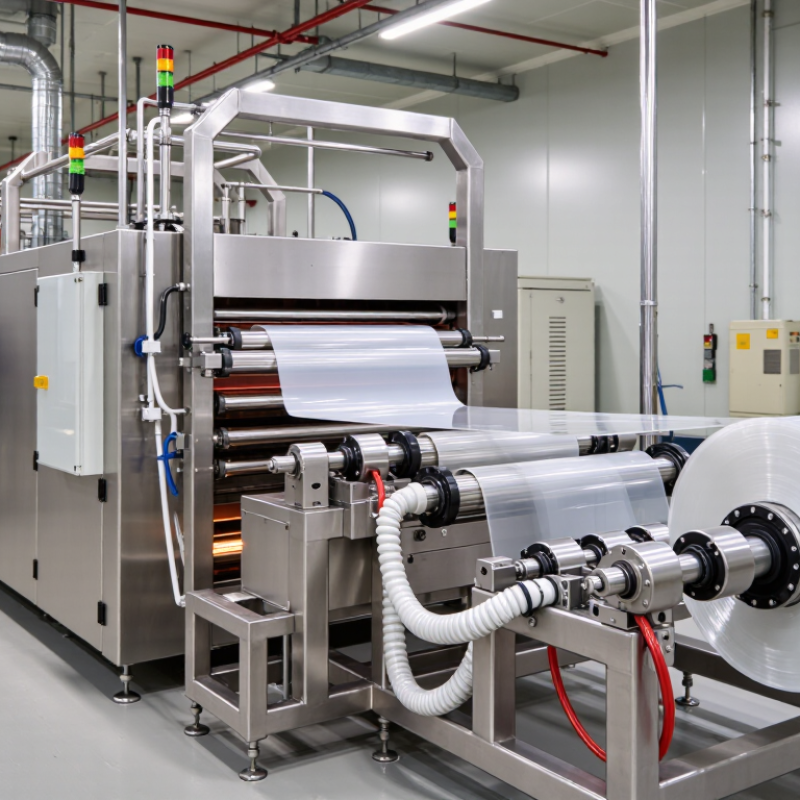
Choosing the right Plastic Coating Machine is not simply a matter of comparing prices. It is a production decision involving coating quality, material behavior, line speed, energy use, and maintenance access. A machine that performs well in a showroom may behave differently beside your actual film, paper, or metal substrate.

Dr. Tim A. Osswald, a recognized plastics processing researcher and educator, has said, “Processing is where material science becomes manufacturing reality.” This principle matters when selecting coating equipment. The machine must match the coating formulation, viscosity range, drying method, substrate width, and required thickness. For example, a water-based coating may need careful temperature control and strong air circulation. A solvent-based system may require stricter ventilation and safety engineering. Small differences can affect adhesion, surface gloss, and waste.

Look closely.

Ask manufacturers for application data, test reports, and references from comparable factories. Review the metering system, pump stability, web tension control, oven design, and cleaning procedure. Operators should be able to reach rollers and filters without wasting half a shift. That practical detail is often overlooked.

The best choice is rarely the fastest machine alone. A lower-speed line may deliver better consistency and fewer rejected rolls. Total ownership cost also includes spare parts, training, electricity, downtime, and technical support. I would not pretend that one checklist fits every plant. It does not. Your first estimate may be wrong, especially when coatings change during scale-up. Run a realistic trial, measure the finished surface, and question every attractive promise before signing the purchase agreement.

How to Choose the Best Plastic Coating Machine?

Define Your Plastic Coating Requirements and Production Goals

How to Choose the Best Plastic Coating Machine?

Define Your Plastic Coating Requirements and Production Goals

Choosing a plastic coating machine starts with the product, not the machine catalog. Define the plastic type, coating material, film width, and target thickness. Record acceptable thickness variation in microns. Small differences can affect sealing, appearance, and downstream processing.

Your production goal must be measurable. State the required line speed, daily output, changeover time, and waste limit. Do not choose by maximum speed alone. A stable 80-meter-per-minute line may outperform a faster line with frequent stops. Check coating viscosity, drying temperature, and available floor space before requesting quotations. These details prevent costly redesigns.

In production reviews, operators often reveal problems that specifications miss. Ask whether cleaning is simple, controls are clear, and spare parts are practical to store. Run a material trial with your actual resin, substrate, and coating formula. Inspect the first and last rolls. A neat spreadsheet can still hide uneven edges or poor adhesion. I have seen teams prioritize output and regret ignoring changeover effort. That decision may look efficient on paper. It is not always efficient on the factory floor. Keep test records, including temperature, tension, speed, and coating weight. Reliable records make later adjustments less dependent on memory.

Compare Plastic Coating Machine Types and Processing Methods

How to Choose the Best Plastic Coating Machine?

Choosing a plastic coating machine starts with the processing method, not the machine price. Extrusion coating suits continuous films, woven fabrics, and paper-based webs. It melts resin through a flat die, then presses the layer onto a moving substrate. Roll coating offers accurate thickness control for smooth sheets. Spray coating handles complex surfaces, but overspray can increase material loss. Dip coating is simple for small parts, although drying space may become a serious limitation.

The material also changes the decision. Heat-sensitive polymers need lower residence time and careful temperature control. Powder coating can reduce solvent exposure, while liquid systems may provide better coverage inside narrow features. According to PlasticsEurope’s Plastics—The Fast Facts 2024, global plastics production reached 413.8 million tonnes in 2023. That scale makes efficiency more than a technical preference. A 0.1-millimeter thickness variation can create visible defects across a long production roll.

Look closely at waste and maintenance. The OECD Global Plastics Outlook projects plastic waste could rise from 353 million tonnes in 2019 to 1,014 million tonnes by 2060 without stronger action. Closed-loop feeding, stable web tension, and inline thickness gauges can limit avoidable scrap. I have found that faster is not always better. A machine may run quickly but produce uneven edges after several hours. Test the actual resin, substrate, and coating width before purchase. One weakness remains: laboratory trials rarely reproduce every factory condition.

How to Choose the Best Plastic Coating Machine? - Compare Plastic Coating Machine Types and Processing Methods

Machine or Processing Method Typical Coating Material Compatible Substrates Typical Coating Thickness Typical Production Speed Best-Suited Applications Key Advantages Main Limitations Important Selection Factors
Extrusion Coating Line Polyethylene, polypropylene, ethylene-vinyl acetate and other thermoplastic resins Paper, paperboard, aluminum foil, woven fabrics and nonwoven materials Approximately 10–250 micrometres, depending on resin, die and line settings Approximately 100–600 m/min on industrial lines Food packaging, liquid packaging, medical packaging, industrial bags and moisture barriers High throughput; precise coating weight control; suitable for continuous web production High initial investment; requires resin melting and a suitable cooling system; sensitive to web tension and die settings Extruder output, die width, coating-weight range, substrate width, cooling-roll capacity and edge-trim system
Hot-Melt Adhesive Coating Machine Thermoplastic hot-melt adhesives, pressure-sensitive adhesives and reactive hot melts Films, foils, textiles, foam, paper and nonwoven webs Approximately 10–200 micrometres Approximately 20–300 m/min, depending on adhesive and coating head Labels, hygiene products, tapes, laminates and technical textiles No solvent evaporation; rapid bonding; compact drying section or no drying oven required Adhesive viscosity is temperature-sensitive; prolonged heat exposure can degrade some materials; cleaning may be demanding Operating temperature, pump type, slot-die or gravure head, adhesive open time, coat-weight accuracy and heating-zone control
Solvent-Based Gravure Coating Line Polyurethane, acrylic, vinyl and other solvent-borne coating formulations Plastic films, aluminum foil, paper and laminating webs Approximately 1–30 micrometres dry thickness Approximately 50–250 m/min Flexible packaging, decorative films, barrier coatings and specialty laminates Excellent thin-film uniformity; suitable for low-viscosity formulations and detailed coating patterns Requires solvent recovery or compliant exhaust; explosion-protection measures and drying energy increase system complexity Solvent type, drying-zone design, ventilation, explosion protection, gravure-cell volume and environmental regulations
Water-Based Coating Line Water-based acrylic, polyurethane, latex and polymer-dispersion coatings Paper, board, films, foil, textiles and nonwovens Approximately 2–50 micrometres dry thickness Approximately 30–250 m/min Paper packaging, protective films, labels, textiles and low-VOC surface treatments Lower volatile organic compound emissions than solvent-based systems; broad formulation flexibility Water requires substantial drying energy; humidity and substrate surface energy can affect drying and adhesion Dryer length, air temperature, airflow, coating viscosity, substrate absorbency and residual-moisture requirements
Roll Coating Machine Solvent-based, water-based, UV-curable and hot-melt coatings Metal sheets, plastic films, paper, foil and rigid panels Approximately 5–150 micrometres, depending on roll arrangement and formulation Approximately 10–150 m/min Decorative panels, protective films, metal finishing and continuous sheet coating Good scalability; relatively simple mechanical layout; suitable for controlled, continuous application Contact with the substrate can mark delicate surfaces; coating uniformity depends on roll condition and pressure settings Roll configuration, metering gap, rubber-cover hardness, substrate flatness, coating viscosity and cleaning access
Spray Coating System Water-based, solvent-based, UV-curable and liquid plastic coatings Three-dimensional plastic parts, metal components, wood, composites and assembled products Approximately 10–150 micrometres per cured layer Part-dependent; commonly measured by parts per hour rather than web speed Automotive components, appliance parts, housings, furniture and irregularly shaped products Handles complex geometries; adaptable to manual, reciprocating or robotic production Overspray can create material waste; requires booth ventilation and precise atomization control Part geometry, spray-gun type, transfer efficiency, booth size, ventilation, curing method and automation level
Fluidized-Bed Powder Coating System Thermoplastic powders such as polyethylene, nylon and polypropylene Preheated metal parts, wire products, pipes and components that tolerate heating Approximately 150–500 micrometres in one immersion cycle Batch or semi-continuous; cycle time depends on part mass, preheat temperature and powder type Thick protective layers, corrosion protection, pipe coatings and impact-resistant finishes Produces thick, durable coatings; overspray powder can often be recovered; no liquid solvent is required Limited suitability for thin films and heat-sensitive substrates; coating thickness can be difficult to control on complex shapes Part preheat temperature, powder melting range, bed depth, immersion time, powder recovery and ventilation
Electrostatic Powder Spray System Thermoset epoxy, polyester, epoxy-polyester hybrid and thermoplastic powders Conductive metal parts and properly prepared conductive or treated substrates Approximately 40–150 micrometres per cured coat Approximately 5–30 m/min on automated conveyor systems, depending on part geometry and curing time Metal furniture, appliances, electrical enclosures, machinery and architectural components High material utilization; durable finish; low solvent emissions; suitable for automation Requires an electrically conductive substrate and curing oven; color changeovers and Faraday-cage areas may reduce productivity Powder recovery, gun voltage, grounding, booth layout, oven temperature profile, conveyor speed and color-change frequency
Dip Coating Machine Plastisol, PVC, latex, polyurethane, acrylic and other liquid polymer coatings Metal wire, small components, tubing, fabric forms and three-dimensional parts Approximately 50–1,000 micrometres, depending on viscosity, withdrawal speed and number of dips Batch or continuous; typically controlled by immersion and withdrawal cycle time Handles, grips, wire products, protective sleeves, corrosion-resistant parts and flexible coverings Coats complex shapes and recessed areas; equipment can be relatively straightforward Drainage marks and thickness variation may occur; large tanks require more coating material and maintenance Bath viscosity, immersion depth, withdrawal speed, tank volume, temperature control and drying or curing requirements
UV-Curable Coating Line UV-curable acrylates, oligomers and reactive monomer formulations Plastic films, paper, wood, glass, metal and rigid panels Approximately 3–100 micrometres Approximately 10–150 m/min, depending on formulation, lamp power and line configuration Scratch-resistant films, decorative surfaces, optical coatings and high-gloss finishes Very fast curing; low or zero solvent content; reduced oven length compared with thermal curing Requires UV-transparent or adequately exposed surfaces; formulation and lamp maintenance are critical UV dose, lamp type, line speed, coating opacity, oxygen inhibition, shielding and operator-safety controls
Note: The performance figures are typical engineering ranges for comparison only. Actual results depend on coating chemistry, substrate properties, machine configuration, coating-head design, curing conditions and required surface quality.

Evaluate Material Compatibility, Capacity, and Coating Quality

Choosing the best plastic coating machine starts with material compatibility. Confirm that the equipment suits your plastic type, coating formula, and operating temperature. Some plastics soften quickly, while others resist bonding without surface treatment. Ask for sample trials using your actual parts, not generic test pieces. I have seen acceptable laboratory results fail during continuous production.

Capacity must match your real workflow. Check hourly output, coating thickness, loading method, and drying space. A machine rated for high volume may still create delays if changeovers are slow. Measure your largest and smallest components carefully. Leave room for rejects, maintenance, and future demand. Oversizing can waste energy and floor space.

Tips: Record coating speed, temperature, viscosity, and defect rates during a trial. Inspect edges, corners, and hidden surfaces under consistent lighting. Look for runs, pinholes, uneven coverage, and weak adhesion. A simple cross-cut or pull test can reveal problems that visual checks miss. Do not trust one successful batch. Repeat the test after cleaning and setup changes. My own preference is to request written performance data, although supplier figures can be too optimistic. Ask how results were measured, and verify them independently. Small details often decide whether coating quality remains stable on a busy production line.

Assess Automation, Maintenance, Safety, and Energy Efficiency

How to Choose the Best Plastic Coating Machine?

Automation should improve control, not simply reduce labor. During equipment evaluations, I examine recipe storage, coating-speed control, temperature sensors, and data logging. A clear touchscreen helps operators repeat settings across production runs. Manual override remains important when plastic thickness changes unexpectedly. Over-automation can create confusion.

Maintenance begins with physical access. Can technicians reach the spray area without removing half the machine? Look for removable guards, visible filters, simple nozzle cleaning, and readily available replacement parts. Diagnostic alarms should identify the actual problem, not display vague error codes. Keep a written maintenance schedule. Even reliable machines need attention.

Safety deserves direct inspection. Check guarding, emergency stops, interlocks, ventilation, and heat protection around curing zones. Operators should not reach across hot surfaces or moving rollers. Training must cover shutdown and lockout procedures. Energy efficiency needs measured evidence. Compare heating power, motor consumption, idle draw, and compressed-air use under similar workloads. Insulated chambers, variable-speed drives, automatic standby modes, and heat recovery can reduce waste. Install energy meters if possible. Numbers reveal habits that brochures often hide. A perfect score rarely exists; a machine may save energy yet require difficult cleaning, so evaluate the full operating routine before choosing.

Select the Best Machine Based on Budget and Long-Term Value

Choosing the best plastic coating machine starts with more than its purchase price. A low-cost model may appear attractive, but unstable coating thickness can create waste, rework, and customer complaints. Check its working width, speed range, material compatibility, and drying capacity. A machine that handles your current product may still limit future growth. Leave room for changing resin types, film sizes, and production volumes.

Tips: Calculate total ownership cost over five years. Include energy use, cleaning time, spare parts, operator training, and planned maintenance. Ask for coating samples from similar materials. Measure surface uniformity, drying performance, and changeover time. Inspect the control panel and safety features in person when possible. Small details matter.

I have seen buyers focus heavily on output speed while overlooking setup losses. That decision can become expensive during short production runs. Automatic controls can improve consistency, but they also require trained operators and reliable technical support. Manual machines may suit limited budgets, yet their labor cost can rise quietly. The perfect machine does not exist. A practical choice balances present cash flow with dependable performance, repair access, and measurable long-term value. Record your assumptions before purchasing, because optimistic estimates are easy to believe.

Member of

Associated Wire Rope FabricatorsMHI MemberNetPlus Alliance Member Steel Erectors Assocation STADFA member

Terms of Sale | Privacy Policy