How to Choose the Best Warehouse Metal Doors for Your Needs?
When selecting the right Warehouse Metal Doors, it is crucial to understand your specific needs. A significant aspect is durability. According to a recent report by Allied Market Research, the global market for industrial doors is projected to reach $13.57 billion by 2026. This growth indicates a rising demand for robust, reliable solutions in warehouse environments.
Additionally, warehouse safety cannot be overlooked. The National Safety Council highlights that proper door choice can dramatically reduce workplace accidents. Warehouse Metal Doors not only provide security but also ensure safe access and egress pathways. However, choosing the wrong type can lead to inefficiencies and safety risks.
Moreover, various designs are available that cater to specific requirements. Some doors offer insulation benefits, while others prioritize strength. Not all options suit every warehouse. It's essential to reflect on your unique operational demands. A thoughtful choice can improve efficiency and safety in your facility.
Understanding the Different Types of Warehouse Metal Doors
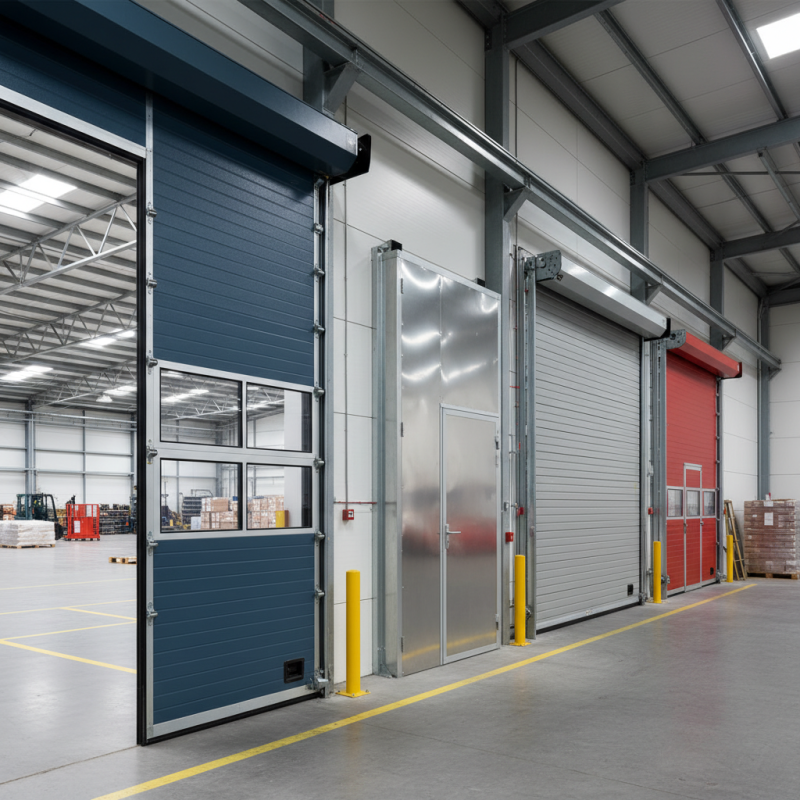
When selecting warehouse metal doors, it’s essential to understand the available types. Common options include roll-up doors, sliding doors, and hinged doors. Roll-up doors are popular for their space-saving design. They operate vertically, which can free up floor space. However, they may require additional maintenance due to moving parts.
Sliding doors are often wider and allow for large equipment to pass through easily. They work well in environments that require frequent access. On the downside, misalignment can lead to operational issues. Hinged doors offer durability but require more space to swing open. They are sturdy and secure but can be a challenge in tight areas.
Additionally, consider insulation properties. Insulated doors can improve energy efficiency but might come at a higher initial cost. Reflect on your warehouse's climate. This might justify the investment in better insulation. Each type of door serves specific needs, but evaluating your operations is crucial. It’s a balance of cost, space, and efficiency. Take time to weigh the pros and cons carefully.
Comparison of Different Types of Warehouse Metal Doors
Evaluating Durability and Security Features of Metal Doors
When evaluating metal doors for warehouse use, durability and security features are paramount. According to a recent industry report, 75% of security breaches in commercial facilities occur through entry points like doors. Thus, choosing doors constructed from high-quality steel can significantly reduce these risks. Steel offers superior resistance to impact and forced entry when compared to other materials.
Moreover, features such as reinforced frames and secure locking systems enhance security. A survey indicated that warehouses with heavy-duty doors experience 50% fewer theft incidents. These doors can withstand harsh weather, reducing maintenance costs over time. However, some metal doors can be susceptible to rust if not properly treated. Regular inspections and maintenance are essential to ensure longevity.
Notably, while metal doors provide excellent security, they may lack aesthetic appeal compared to wooden doors. This can deter some businesses focused on branding. Additionally, the initial cost of high-quality metal doors can be substantial. Yet, their long-term benefits often outweigh these concerns. Balancing security and appearance is crucial for making the right choice.
Assessing Insulation and Energy Efficiency Benefits
When selecting warehouse metal doors, insulation and energy efficiency are crucial factors. A significant percentage of energy loss in warehouses comes from poorly insulated doors. According to a report by the U.S. Department of Energy, around 30% of heating and cooling energy is wasted due to inadequate insulation in commercial buildings. Choosing the right metal door can directly impact your energy bills.
Metal doors with high insulation ratings can substantially reduce energy costs. Options with an R-value above 5 are considered effective for warehouses. Enhanced insulation minimizes heat transfer, keeping indoor temperatures stable. This stability is essential for sensitive materials and equipment stored within the space. Furthermore, an insulated door mitigates noise pollution from the outside, creating a quieter working environment.
However, not all metal doors provide the same level of insulation. Some may look appealing but fall short in performance. Testing and comparing different models can be challenging. It’s vital to scrutinize the specifications and insulation properties. Misleading marketing details sometimes create confusion. Take time to review actual performance data before making a choice. This approach helps ensure that your investment not only supports energy efficiency but also meets your specific operational needs.
How to Choose the Best Warehouse Metal Doors for Your Needs? - Assessing Insulation and Energy Efficiency Benefits
| Door Type | Insulation R-Value | Energy Efficiency Rating | Material Thickness (inches) | Average Cost ($) |
| Standard Metal Door | 3.0 | B | 1.5 | 500 |
| Insulated Metal Door | 6.0 | A | 2.0 | 800 |
| Thermal Break Door | 8.0 | A+ | 2.5 | 1200 |
| Fire Rated Door | 4.0 | B+ | 1.75 | 950 |
| High Security Door | 5.0 | A | 2.0 | 1300 |
Considerations for Size and Space Requirements in Warehouses
When choosing metal doors for a warehouse, size and space requirements are crucial. You need to measure the doorway accurately. Consider both the width and height. A standard door might not fit your needs.
One major tip: ensure that the door opens fully. A half-open door can block crucial pathways. Think about how large equipment will pass through. If you're using forklifts, you need wider doors.
Don't forget about space around the door. Can outer walls handle the swing or slide? Consider clearance. It’s better to have extra space than to struggle with fitting equipment.
Also, think about the height of shelving inside. Taller shelves mean more vertical clearance is necessary. This may impact door height. An improperly sized door can lead to safety issues. Reflect on your long-term needs. Will your storage requirements change over time?
Budgeting for Your Warehouse Metal Door Purchase and Installation
When budgeting for your warehouse metal door purchase and installation, start by determining your specific needs. Consider the size, thickness, and locking systems. Each feature affects the cost. Gather quotes from multiple suppliers to find a range. Don't forget about installation costs. Hiring experts can add to the overall budget but ensures proper fitting.
You might encounter unexpected expenses. Installation may require additional materials or structural adjustments. This can escalate your budget quickly. It’s wise to allocate extra funds for such contingencies. Also, consider maintenance costs down the line. A cheaper door now may require more repairs. Think long-term to avoid regrets later. A thorough evaluation will lead to more informed decisions.