How to Choose the Right Scaffold Jack Base in 2026?
Choosing the right Scaffold Jack Base in 2026 is a ground-contact decision, not a minor purchasing detail. A base jack transfers scaffold loads into the supporting surface. Its thread size, load rating, adjustment range, plate dimensions, and locking method can affect stability. A few millimetres of uneven settlement may become visible sway at working height.
The U.S. Bureau of Labor Statistics reported 885 fatal workplace falls, slips, and trips in 2023. OSHA also requires scaffold components to support their own weight and at least four times the maximum intended load under 29 CFR 1926.451. These figures do not make every jack base suitable. They show why selection needs evidence, calculations, and site inspection. EN 12811-1 provides another useful reference for temporary works equipment, especially when projects involve European specifications.
David Michaels, former Assistant Secretary of Labor for OSHA, emphasized, “The best way to prevent workplace injuries is to identify and control hazards before work begins.” His principle applies directly here. Inspectors should check the sole board, base plate, threads, pins, welds, and visible corrosion. A clean-looking jack can still be overloaded or poorly matched.
The difficult part is comparison. Manufacturers may list different test methods, materials, and safety factors. Marketing language can blur those differences. Therefore, this guide examines verified load data, compatibility, adjustment height, surface conditions, and installation practice. It also questions one common assumption: a larger plate is not automatically safer. The correct Scaffold Jack Base must suit the complete scaffold system, the substrate, and the actual working load. When records are incomplete, a competent person should pause the installation and verify them.
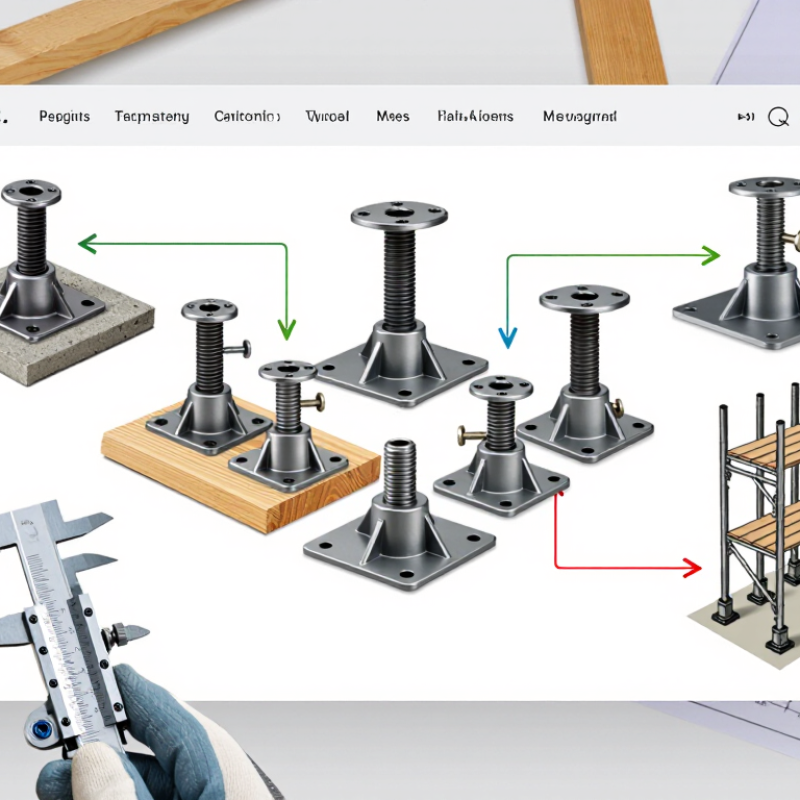
Scaffold Jack Bases: Definition, Purpose, and Main Components
A scaffold jack base is an adjustable support installed beneath a scaffold standard. It helps transfer vertical loads into the supporting surface. Its main parts usually include a threaded stem, base plate, collar, locking nut, and sometimes a swivel or U-head. The stem changes the working height, while the base plate spreads pressure across the ground. Small details matter. A narrow plate may sink into soft soil or damage weak flooring.
The purpose is not simply to make a scaffold taller. A correctly adjusted jack base helps level the structure and keeps standards aligned. The threaded stem must move smoothly without excessive play. The locking nut should hold firmly after adjustment. The plate should remain flat, with no severe bending, cracks, deep corrosion, or damaged welds. Before use, check the stated load rating and the surface condition. Never assume a similar-looking component has the same capacity.
When selecting a scaffold jack base in 2026, compare adjustment range, plate dimensions, thread quality, material protection, and inspection records. Outdoor projects need stronger resistance to moisture and abrasion. On busy sites, clear markings reduce setup mistakes. Measure the actual height requirement first. This simple step prevents awkward overextension. One practical lesson is easy to miss: a perfect jack base cannot correct unstable ground. Site conditions, load distribution, and competent inspection still control the result. No selection method is flawless; records should be reviewed when conditions change.
How to Choose the Right Scaffold Jack Base in 2026?
Scaffold Jack Bases: Definition, Purpose, and Main Components
A scaffold jack base is an adjustable steel support used to level and stabilize a scaffold at its bottom or top connection point. The chart shows common non-brand screening ranges for key dimensions found in adjustable scaffold jack bases.
Selection should consider the required adjustment range, screw diameter, base-plate size, U-head width, scaffold load, ground condition, and compatibility with the scaffold standard. These dimensional ranges are indicative industry values, not certified load ratings. Always verify the allowable load, maximum extension, footing requirements, and applicable local regulations before use.
How to Match Jack Base Capacity with Scaffold Load Requirements
How to Choose the Right Scaffold Jack Base in 2026?
How to Match Jack Base Capacity with Scaffold Load Requirements
Choosing a scaffold jack base starts with one question: how much load will each base actually carry? Do not rely on the jack’s maximum rating alone. That rating may assume ideal alignment, full thread engagement, and firm ground. Real scaffolds face uneven loading, stored materials, workers, tools, and wind.
Calculate the total vertical load, then divide it across the supporting bases. This estimate must include the scaffold’s self-weight and the intended working load. Check whether platforms, access points, or stacked materials create heavier zones. A simple average can mislead. Use the most heavily loaded base for selection, not the easiest one to calculate.
Allow capacity for uneven settlement and accidental load shifts. Confirm the jack base remains within its approved adjustment range. Greater extension can reduce stability and increase bending risk. Inspect the base plate, threads, welds, and locking parts before use. Look for distortion or damaged threads.
A practical site lesson is easy to miss: ground condition can control the result. A strong jack base cannot compensate for soft soil or a cracked slab. Use suitable sole boards or bearing plates where the supporting surface requires them. Keep the base centered under the standard. Even a small offset can create serious eccentric loading. Have a qualified person verify the load assessment against project drawings and applicable scaffold requirements. This process is not perfect, especially when loads change during work. Recheck it when materials, platform levels, or weather conditions change.
Safety, Compatibility, and Installation Standards for 2026
How to Choose the Right Scaffold Jack Base in 2026?
A scaffold jack base must match the scaffold frame, load path, and ground condition. Check the manufacturer’s stated safe working load, thread size, adjustment range, and base-plate dimensions. Fit matters. A larger plate does not automatically create a safer setup. It may hide weak soil or uneven flooring.
OSHA reports that scaffold-related incidents cause about 4,500 injuries and 50 deaths each year in the United States. The Bureau of Labor Statistics recorded 1,075 fatal occupational injuries in construction during 2023. These figures make compatibility more than a purchasing detail. Select jacks tested for the intended scaffold system, not merely products with similar measurements. Confirm compliance with applicable requirements, including OSHA 29 CFR 1926 Subpart L or EN 12811-1, where relevant.
Installation and Inspection
Installation should begin with a firm, level bearing surface and suitable sole boards. Keep the threaded stem vertical. Lock the adjustment mechanism after setting the working height. Inspect threads for crushing, corrosion, and missing retaining parts before every shift. I have seen crews rely on visual alignment alone; that is not enough. Recheck the base after rain, vibration, or relocation. Installation guidance can be misunderstood, especially when local rules differ. A competent person should verify load calculations, tie patterns, platform height, and manufacturer instructions before use.
Inspection, Maintenance, and Replacement Guidelines for Jack Bases
How to Choose the Right Scaffold Jack Base in 2026?
A scaffold jack base needs regular inspection, not occasional attention. In field checks, I examine the threaded stem, base plate, pin holes, welds, and locking components. Look for bends, cracks, heavy rust, stretched threads, and damaged edges. A clean jack is not necessarily a sound one. Rotate the adjustment collar by hand. It should move smoothly without binding, excessive looseness, or sudden slipping. Confirm that the load rating remains readable and matches the planned scaffold arrangement.
Maintenance begins with simple discipline. Remove concrete, mud, and grit from the threads after each project. Keep the jack upright and dry during storage. Apply only a suitable lubricant, following the manufacturer’s instructions and site procedures. Check that the base plate sits fully on a stable sole board or approved support. Never compensate for uneven ground by overextending the jack. That habit often creates instability. A competent person should record inspection dates, defects, measurements, and corrective actions.
Replacement is necessary when the stem is bent, threads are stripped, welds are cracked, or corrosion has reduced the metal noticeably. Missing pins, distorted plates, and unreliable locking parts also require removal from service. Do not disguise damage with paint. Do not weld or straighten critical components without written engineering approval. I have seen teams delay replacement because a jack “still works.” That judgment can be wrong. When doubt remains, isolate the component and obtain a qualified assessment before reuse.