How to Choose the Right Threaded Rod for Your Project?
When it comes to construction or DIY projects, choosing the right Threaded Rod is crucial. A threaded rod is a long, metal bar with threaded edges. It’s used to hold materials together or provide support. Selecting the wrong type can lead to project failures or safety hazards.
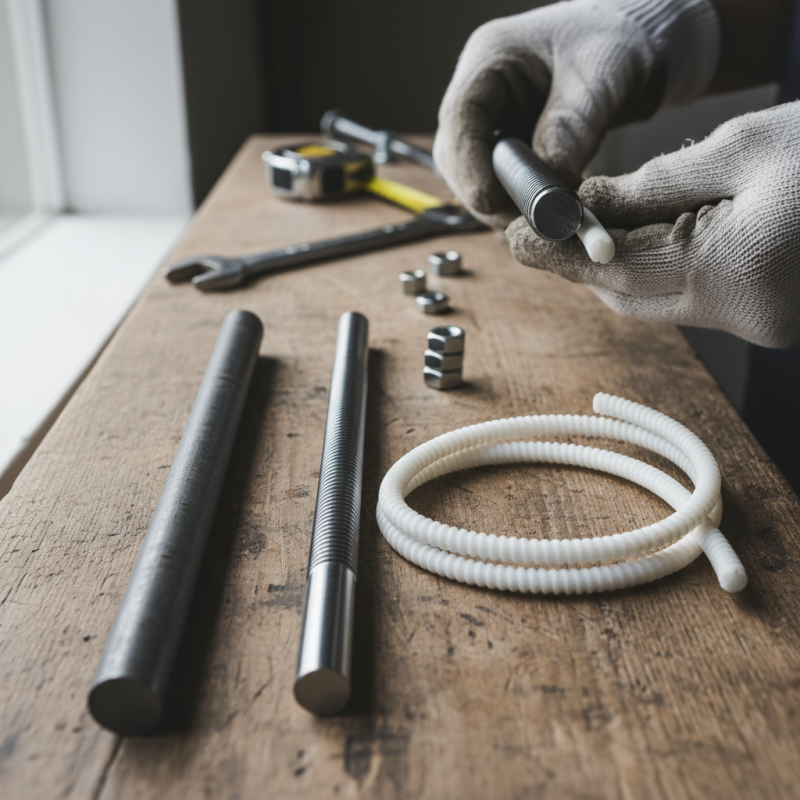
Consider the material of the threaded rod. Common choices include steel, stainless steel, and plastic. Each serves different purposes. Steel is strong and durable, while stainless steel resists corrosion. Plastic is light and non-conductive but may not bear heavy loads. Understanding your project's needs is essential.
The size and length of the threaded rod also matter. You must ensure it fits the components it will connect. A rod that is too short or too long can create challenges. Evaluating the weight and tension involved in your project will guide you in making the right choice. Always remember to seek advice from professionals or fellow builders if you are unsure. Making informed decisions can lead to successful outcomes.
Understanding Different Types of Threaded Rods and Their Applications
Choosing the right threaded rod is crucial for various projects, from construction to machinery assembly. There are several types available, each suited for specific applications. The most common types are stainless steel, carbon steel, and alloy steel rods. Stainless steel rods are corrosion-resistant, making them ideal for outdoor use. Carbon steel rods offer strength and durability for heavy-duty applications, while alloy steel provides enhanced performance under high stress.
Understanding the diameter and thread pitch is also important. The diameter affects the load capacity, while the thread pitch influences the ease of installation. According to industry data, the load-carrying capacity of threaded rods can vary significantly. For example, a standard 3/8-inch diameter carbon steel rod can handle upwards of 8,000 pounds of tensile strength. However, proper selection based on the project requirements is often overlooked.
Many users tend to ignore proper fastening techniques, leading to issues such as stripped threads or inadequate tension. Ensuring the right nut and washer combination is essential for optimal performance. It’s worth noting that not all threaded rods are created equal, and many may not meet rigorous industry standards. Regular inspections and testing can help confirm reliability, especially in critical applications.
Factors to Consider When Selecting a Threaded Rod for Your Project
When selecting a threaded rod for your project, various factors demand attention. The material is crucial. Common options include steel, stainless steel, and nylon. Each presents different strengths and weaknesses. Steel offers high tensile strength but is prone to rusting. Stainless steel resists corrosion but can be more expensive. Balance these properties against project needs.
Thread pitch, the distance between threads, is equally important. Coarser threads provide better grip in softer materials. Finer threads allow for more precise adjustments. Additionally, consider the length of the threaded rod. It should accommodate your assembly without excess. Too short means instability; too long might complicate the design.
Think about load capacities, as not all rods support the same weight. A heavier project requires a more robust rod. Always check specifications before making a choice. It’s easy to overlook details, leading to potential failures. Anticipate challenges and adopt a careful approach. The right threaded rod can make or break your project, so every detail matters.
How to Choose the Right Threaded Rod for Your Project?
| Dimension | Material Type | Coating Type | Load Capacity | Typical Applications |
| 1/4" x 36" | Carbon Steel | Zinc Plated | 600 lbs | General Construction |
| 3/8" x 48" | Stainless Steel | Plain | 1200 lbs | Outdoor Structures |
| 1/2" x 60" | Alloy Steel | Black Oxide | 2000 lbs | Heavy Machinery |
| 5/8" x 72" | Mild Steel | Galvanized | 3000 lbs | Construction Framework |
Material Choices: Comparing Steel, Stainless Steel, and Other Options
When selecting a threaded rod, material choice is critical. Steel is a popular option. It offers strength and durability. However, it's susceptible to rust. For projects exposed to moisture, consider stainless steel. This material resists corrosion well. It maintains its integrity even in harsh climates. The cost, though, is generally higher.
Other alternatives include brass and nylon. Brass is decorative and resistant to corrosion, making it ideal for visible applications. Nylon, on the other hand, is lightweight and non-conductive. It's useful in electrical applications. Yet, nylon lacks the tensile strength of metal options.
Reflect on your project's specific needs. Assess load requirements, environmental conditions, and visibility. Each material presents advantages and challenges. Balancing these factors ensures you make a well-informed decision.
Important Specifications: Thread Size, Length, and Coating Considerations
Choosing the right threaded rod requires careful consideration of various specifications. The thread size is one of the most critical factors. It affects how well the rod can support loads. A larger thread size can offer greater strength but may not fit in tight spaces. Always check the compatibility with your project requirements.
Length is another important aspect. A rod that is too short may find itself under excessive stress, leading to failure. On the other hand, an overly long rod can introduce unnecessary weight and complexity. Measure accurately to avoid these issues.
Coating should not be overlooked either. Coated rods can resist corrosion, making them suitable for outdoor projects. However, coatings can change the dimensions slightly. This can lead to misfit situations if not properly considered. Assess the environment in which the rod will be used to make an informed decision.
Threaded Rod Specifications Comparison
Best Practices for Installation and Maintenance of Threaded Rods
When installing threaded rods, attention to detail is crucial. Proper alignment is essential to ensure the load is evenly distributed. Use a level to check that the rods are perfectly vertical or horizontal. This can prevent unnecessary stress and potential failure. Tightening the rods should be done gradually. Over-tightening can lead to deformation or even breakage. A torque wrench can help apply the correct pressure uniformly.
Maintenance is equally important. Regularly inspect threaded rods for signs of wear or corrosion. This is especially vital in outdoor environments. Corroded rods may compromise structural integrity. Clean any debris or rust from the threads to ensure smooth adjustments. Periodic lubrication can also help maintain functionality and extend the life of the rods. Using the right lubricant is key; avoid greasy substances that attract dirt.
Be ready for challenges. Sometimes, rods may not fit as expected, causing delays. Adjusting existing components can be frustrating. Keeping a flexible mindset will help you adapt. Not every project goes as planned. Accepting imperfections can lead to better solutions in future installations.