Forklift Cylinder Essential Tips for Global Buyers
In the fast-evolving forklift industry, understanding the importance of the Forklift Cylinder is crucial for global buyers. Industry expert John Stevens once stated, "A reliable Forklift Cylinder is the backbone of material handling equipment." This emphasizes the need for buyers to make informed decisions when selecting cylinders that meet safety and performance standards.
Buying a Forklift Cylinder requires more than basic knowledge. Buyers must consider quality, compatibility, and supplier reliability. Many buyers overlook these aspects, which can lead to costly downtimes and safety risks. A well-chosen Forklift Cylinder can enhance efficiency and extend the lifespan of forklifts, while a poor choice might result in frequent maintenance disruptions and unexpected expenses.
Global buyers should also recognize the variations in product specifications and regulations across regions. Misunderstanding these factors can lead to serious operational issues. Reflecting on these complexities can help foster better decision-making in acquiring a Forklift Cylinder that truly meets their needs.
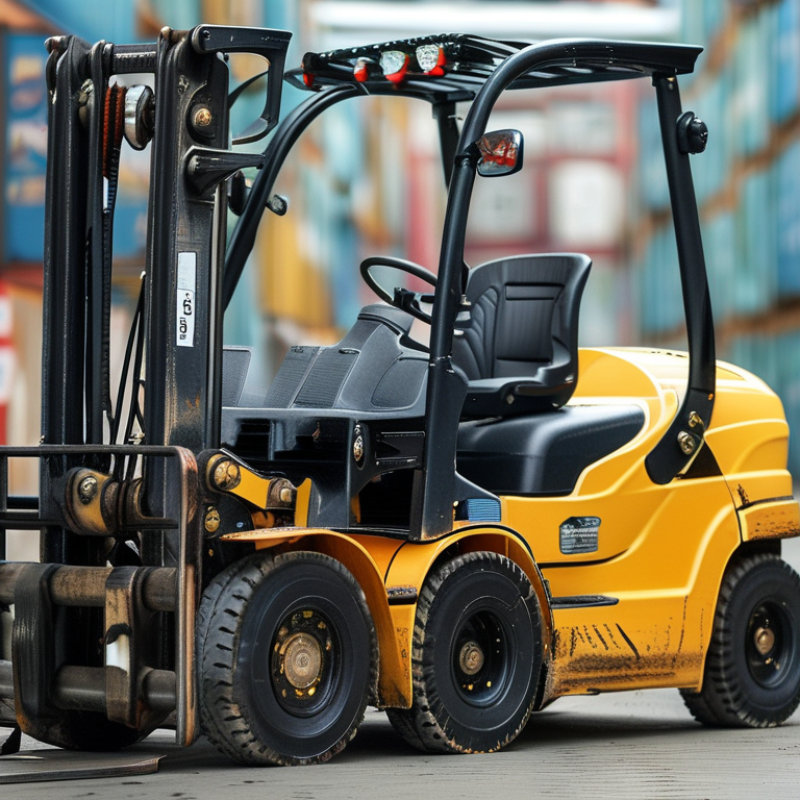
Understanding Forklift Cylinder Types and Their Applications
Understanding forklift cylinder types is vital for informed purchasing. Forklift cylinders, commonly used for lifting and lowering loads, come in different types. The most common include single-acting and double-acting cylinders. Single-acting cylinders utilize hydraulic pressure to lift, returning to their original position via gravity. In contrast, double-acting cylinders can apply force in both directions, making them more versatile.
When selecting a forklift cylinder, consider the application. For light-duty tasks, a single-acting cylinder may suffice. However, heavy loads require the efficiency of a double-acting cylinder. Evaluate load capacity, stroke length, and operating pressure. Ensuring compatibility with your equipment is also essential.
**Tip:** Always match the cylinder's specifications with your forklift's capabilities. Misalignment can lead to failures or accidents.
Quality matters greatly in cylinder selection. Look for trustworthiness in materials and construction. Poorly manufactured cylinders can compromise safety. Additionally, regular inspection and maintenance are crucial to prolonging the lifecycle of your forklift's hydraulic system.
**Tip:** Create a routine for maintenance checks. Neglect can lead to unforeseen issues that disrupt operations. Always prioritize safety over cost-cutting when it comes to purchasing and maintaining forklift cylinders.
Key Considerations When Sourcing Forklift Cylinders Internationally
When sourcing forklift cylinders internationally, buyers must consider several critical factors. Quality assurance stands at the forefront. It is essential to evaluate the manufacturing process and materials used. High-quality materials ensure durability and safety under stress. An unreliable cylinder can lead to costly delays and potential hazards.
Next, understanding regulatory standards is crucial. Different countries have varying safety regulations affecting forklift cylinders. Non-compliance can result in legal complications or shipment delays. Researching the certification required in the target market saves time and resources.
Finally, logistics play a significant role. Shipping costs and timelines can vary greatly depending on the supplier's location. Assessing shipping options is vital for timely project completion. Engaging with multiple suppliers may reveal differing terms that significantly influence total costs. Cultivating long-term relationships with reliable suppliers often leads to better negotiation results and quality assurance.
Quality Standards and Compliance for Forklift Cylinders Worldwide
When purchasing forklift cylinders, quality standards and compliance are crucial. Different countries have diverse regulations. Understanding these differences can save buyers from costly mistakes. For example, the ISO standards set benchmarks for manufacturing processes, ensuring products are safe and reliable. Compliance with these standards can help avoid potential hazards in the workplace.
Moreover, buyers should consider local certifications. Some regions demand specific certifications before products can be marketed. These certifications often reflect rigorous testing and quality assurance processes. Without compliance, a forklift cylinder might not only fail to perform as expected but also pose safety risks to operators.
It’s important to research the specific requirements where the forklift will be used. Some cylinders may meet the basic standards but lack the durability required for heavy-duty operations. Failure to assess this can lead to reduced efficiency and increased downtime. Take the time to analyze all compliance aspects to ensure the best investment for your operations.
Best Practices for Maintaining Forklift Cylinders Effectively
Maintaining forklift cylinders is crucial for optimal performance. Regular inspections can prevent costly breakdowns. Check for leaks. Small issues can lead to bigger problems. Visually inspect hoses and fittings often. This takes just a few moments but can save time.
Use proper cleaning techniques. Dirt and debris can impact functionality. Wipe down cylinders regularly with a clean cloth. Avoid harsh chemicals that could corrode surfaces. Make sure to follow your maintenance schedule closely. Sometimes, owners overlook small details, leading to larger failures later.
Training staff is essential. Employees should know the importance of cylinder maintenance. Conduct periodic training sessions to reinforce best practices. Encourage open dialogue about cylinder condition. This fosters a culture of safety. Reflection on past mistakes can lead to better practices in the future.
Navigating the Shipping and Logistics of Forklift Cylinders Globally
Navigating the shipping and logistics of forklift cylinders requires attention to detail. Globally, the logistics sector is projected to grow significantly, with industry reports predicting a compound annual growth rate of 4.6% from 2023 to 2028. However, issues such as shipping delays persist. According to a survey by the International Federation of Freight Forwarders Associations, 67% of companies faced unexpected delays in 2022.
Understanding regional regulations is crucial. Different countries have varying standards for the transport of heavy machinery components. Compliance can be complex, especially concerning customs documentation. Inadequate preparation might lead to costly fines. A report from Supply Chain Dive noted that 53% of logistics managers identified regulatory compliance as a major challenge in international shipping.
Next, consider freight options. Air freight is faster but more expensive. Maritime shipping is more cost-effective but slower and subject to weather delays. A balance must be struck based on urgency and budget constraints. Evaluating various carriers is essential. Recent data indicates that up to 30% of logistics failures stem from poor carrier selection. Hence, assessing a carrier’s reliability is vital.