How to Choose a Brushless Motor in 2026?
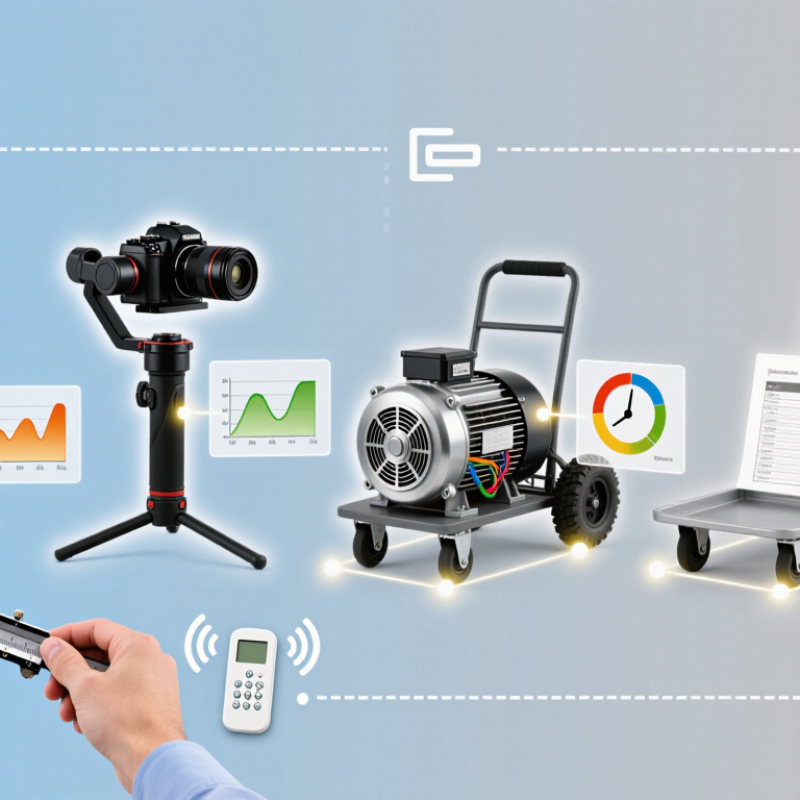
Choosing a brushless motor in 2026 starts with the job it must perform, not the largest number on a product page. A compact pump, a camera gimbal, and an electric cart place very different demands on torque, speed, noise, and operating time. Define the load, required acceleration, supply voltage, available space, and expected duty cycle before comparing models. Small details matter. A motor that fits the frame may still overheat during repeated starts, while a high-speed option can feel weak under load. Keep the application real: note ambient temperature, airflow, shaft dimensions, and how the motor will be mounted.
Compare rated and peak torque, speed range, efficiency, thermal limits, and controller compatibility using manufacturer datasheets. Check the test conditions behind each figure; ratings from different brands are not always directly comparable. Confirm sensor type, feedback needs, connectors, and whether the controller supports the motor’s voltage and current. Ask suppliers for performance curves or clarification when figures are missing. This is practical, not glamorous. A spreadsheet can help, but measured behavior in your actual assembly may differ because friction, cooling, and wiring losses add up. Leave margin for startup loads and heat, then validate the shortlist with a controlled test. Test it. There is no universal best choice. The right brushless motor balances performance, reliability, cost, and serviceability for one specific application. Even careful selection can miss something; revise your assumptions when test results disagree.
Define the Motor’s Intended Application and Operating Conditions
How to Choose a Brushless Motor in 2026?
Define the Motor’s Intended Application and Operating Conditions
Before comparing speed, torque, and price, write down what the motor must do during a normal shift. Is it driving a conveyor, a pump, or a compact robotic joint? Record the load range, acceleration needs, duty cycle, available voltage, mounting space, and control method. A fan may run steadily, while a packaging axis starts every few seconds. That changes thermal and peak-current demands. Small details matter. Measure the actual load if possible; nameplate figures alone can mislead.
Then map the environment. Note ambient temperature, dust, moisture, vibration, altitude, and cooling airflow. Include washdown needs and enclosure limits. A motor that meets peak torque on a test bench may overheat inside a sealed cabinet. Not just peak torque. Check shaft dimensions, bearings, feedback options, and drive compatibility before ordering. The IEA’s 2011 report, Energy-Efficiency Policy Opportunities for Electric Motor-Driven Systems, estimated that motor-driven systems used 43–46% of global electricity. This is system-wide context, not a selection rule. Still, it underlines the value of matching the motor, load, and control. Leave some margin, but avoid choosing it arbitrarily. Revisit your assumptions after logging a week of real operating data. Then test again.
How to Choose a Brushless Motor in 2026?
Define the Motor’s Intended Application and Operating Conditions
Start by identifying the required shaft-speed range for the actual load. These representative planning ranges are not universal specifications: confirm the full speed profile, torque, duty cycle, ambient temperature, cooling, and ingress-protection needs for your application. For geared systems, distinguish motor speed from gearbox output speed.
Match Voltage, Speed, Torque, and Power Requirements
Choosing a brushless motor starts with the power source and the real load, not a headline rating. Match the motor’s rated voltage to the battery or supply, then check the controller’s voltage limits. A “24 V” battery may sit above that value when fully charged. Small details matter. Leave room for voltage variation, wiring losses, and cooling.
Next, match speed and torque at the working point. A motor’s no-load speed can look impressive, but it will slow under load. Estimate the required shaft speed, then account for any gearbox ratio. Check both continuous torque and short startup peaks, especially if the motor must move a heavy load from rest. A spreadsheet can look convincing and still miss a jammed mechanism. Measure the actual load where possible.
Power links speed and torque: power in kilowatts is approximately torque in newton-metres multiplied by rpm, then divided by 9,550. Treat this as a sizing check, not a substitute for the motor’s performance curve. If the motor runs near its limit for long periods, heat can reduce service life. Test the chosen setup under realistic load, and watch temperature, current, and speed. A little extra capacity helps, but excessive oversizing can add cost and weight without solving a poor match.
Compare Motor Types, Sizes, and Mounting Options
Choosing a brushless motor starts with the job it must do. Outrunner motors place the rotor outside the stator, often producing useful torque at lower speeds. They can suit direct-drive applications where space allows. Inrunners are typically narrower and run faster, so they may need a gearbox for heavy loads. Neither type is automatically better. The load, target speed, and available cooling matter more than a simple label. Small detail, big consequence.
Size the motor against the real operating conditions, not just its advertised dimensions. Compare frame diameter and length, shaft diameter, voltage range, and continuous current. A motor that fits the housing may still overheat during repeated starts. Check the expected load and allow room for airflow. I have seen tidy assemblies leave too little clearance around the motor; the fit looked right, but heat had nowhere to go.
Mounting options can decide whether installation is straightforward or frustrating. Check the bolt pattern, screw depth, shaft orientation, and space for wires before ordering. A front-face mount may work well in a compact enclosure, while a base mount can simplify alignment on a flat plate. Measure the bolt-circle diameter and confirm that screws will not touch internal parts. Standards can vary, so verify the drawing rather than guessing from a similar-sized motor. A little uncertainty remains until the motor is tested under its actual load.
Evaluate Efficiency, Cooling, Controls, and Compatibility
How to Choose a Brushless Motor in 2026?
Evaluate Efficiency, Cooling, Controls, and Compatibility
Choose a motor for its real workload, not just its peak rating. Efficiency changes with speed and load, so compare performance near your intended operating point. A motor running a small fan faces different demands from one driving a wheeled platform. Check current draw, torque, and expected duty cycle together. Peak figures can look impressive. They do not tell the whole story.
Cooling matters. Heat can shorten component life and reduce reliable output. Check whether the motor relies on airflow, a heat sink, or a mounting surface to shed warmth. Then consider the control system: confirm voltage range, current capacity, sensor requirements, and supported speed-control method. Measure the available space and verify shaft size, mounting pattern, and connector access. Compatibility is easy to overlook until installation.
Tips: Compare efficiency curves at your actual speed and load. Leave room for wiring and cooling airflow. If possible, test the motor under realistic conditions and monitor temperature after sustained operation. A quick bench test may miss problems that appear after an hour. There is no perfect specification sheet; real setups vary, and an estimate may need revising.
Check Reliability, Cost, and 2026 Product Specifications
How to Choose a Brushless Motor in 2026?
Check Reliability, Cost, and 2026 Product Specifications
A good choice starts with the job, not the headline power rating. Compare the motor’s torque and speed across your actual operating range. Check voltage, continuous current, and duty cycle against the controller and power supply. A motor that handles brief peaks may overheat during steady work. Look for clear thermal limits, bearing details, and an enclosure rating suited to dust or moisture. Specifications vary by model, so verify the current datasheet before ordering.
Tips: Sketch your load and operating time. Leave thermal headroom. Ask for test data if reliability claims lack detail. Small checks matter.
Compare total cost, not just purchase price. Include the controller, cooling, mounting changes, and likely maintenance. For reliability, check warranty terms and whether replacement parts are available. If possible, test a sample under realistic load and measure temperature, noise, and vibration. These checks take time, and they may not reveal every issue. I would still rather find a mismatch on a test bench than after installation. In 2026, product specifications can change, so confirm the exact revision and operating limits with the supplier.