How to Choose a Three Phase Transformer
Choosing a Three Phase Transformer begins with understanding the electrical system it will serve. The right unit must match the supply voltage, required output voltage, frequency, and expected load. A workshop with several motors may need a different capacity from a building with mostly lighting and office equipment. Details matter. Estimate both normal demand and likely peak demand, then consider whether future expansion is realistic. Oversizing can add unnecessary cost, while undersizing may lead to overheating or unreliable operation.
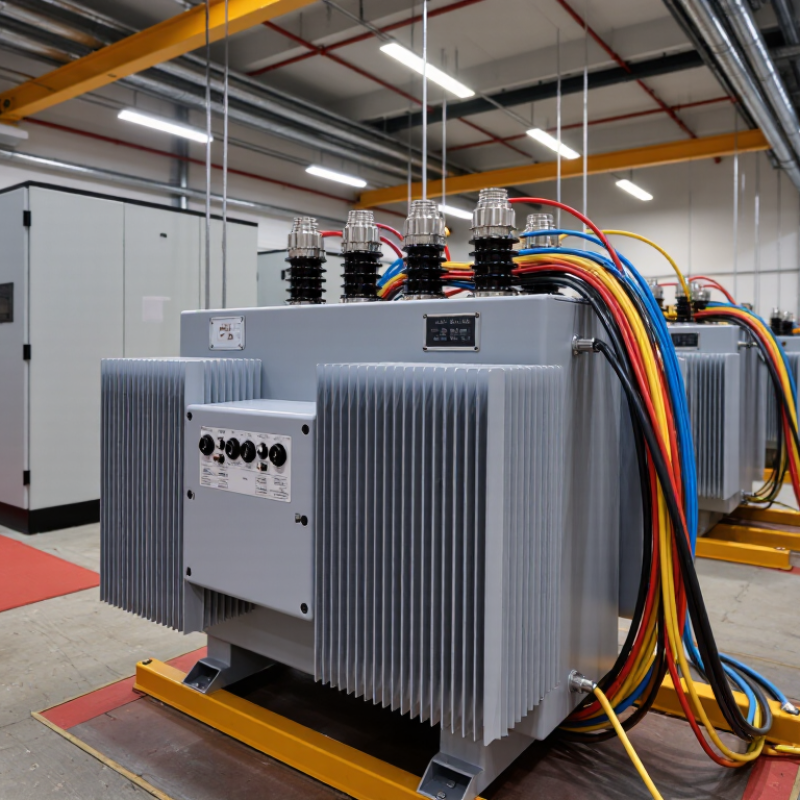
The nameplate provides essential information, including kVA rating, winding configuration, impedance, and cooling method. Check these details against the installation requirements, not just the purchase price. A dry-type transformer may suit an indoor space where oil containment is impractical; an oil-filled model may be appropriate for certain outdoor applications. Site temperature, ventilation, available floor space, noise limits, and maintenance access also affect the choice. Not always obvious.
Before selecting a model, document the load profile and confirm the primary and secondary voltages with a qualified electrical professional. Ask the manufacturer or supplier for efficiency data, connection diagrams, dimensions, and applicable test documentation. Installation conditions and local electrical requirements should be reviewed before procurement. A checklist helps, but it cannot resolve every site-specific concern. Even experienced teams can overlook a future load increase or a tight clearance beside a wall. Revisit the assumptions, and verify the final specification against actual operating needs.
Define the Electrical Load and System Requirements
Begin by listing the equipment the three-phase transformer will serve. Record each unit’s voltage, phase, frequency, rated power, and power factor from its nameplate. Add the loads expected to run at the same time, rather than simply adding every machine’s maximum rating. For motors, note starting current; a pump drawing modest power while running may demand much more during startup. Include lighting, controls, and planned expansion, too. Small details matter.
Tips: Measure or verify actual demand when possible. Check whether the load is balanced across phases, and identify sensitive electronics or equipment that may create harmonics. Keep a clear record of assumptions. A spreadsheet can look precise and still miss a shift change or a rarely used machine.
Next, confirm the site supply and operating conditions. Match the transformer’s primary and secondary voltages, frequency, and connection requirements to the system. Establish the required kVA from the expected demand, while allowing suitable capacity for starting currents and reasonable growth. Don’t oversize by guesswork: excess capacity can raise costs, while too little may cause voltage drop or nuisance shutdowns. Consider ambient temperature, ventilation, enclosure, and installation location. Load estimates are imperfect; compare them with measured operating data and have a qualified electrical professional verify the selection before installation.
Select a Suitable Three-Phase Transformer Configuration
How to Choose a Three Phase Transformer
Select a configuration that matches the supply, load, and grounding plan. A delta-wye arrangement is common when a system needs a neutral for single-phase loads. The wye secondary can provide phase-to-neutral voltage, while the delta winding offers a path for some circulating harmonic currents. Check the actual load mix; a label alone cannot tell the whole story.
A wye-wye connection may suit systems where neutral points are required on both sides, but grounding and transformer design need careful review. Delta-delta can serve three-wire loads without a neutral. It may also offer operating flexibility in certain installations, though reduced-capacity operation requires specific engineering checks. Small details matter.
Compare voltage ratios, phase displacement, and vector group before selecting equipment. These affect protection settings and whether transformers can operate in parallel. Confirm the available fault current, expected motor-starting demand, and whether the site has nonlinear loads such as variable-speed drives. Real load data is often incomplete. That uncertainty matters. Ask a qualified electrical professional to verify grounding, harmonics, and local installation requirements against measured site conditions.
Compare Voltage, Capacity, and Efficiency Ratings
How to Choose a Three Phase Transformer
Compare Voltage, Capacity, and Efficiency Ratings
Match the primary and secondary voltages to the actual supply and equipment, not just the nameplate’s closest-looking numbers. A 480-volt service feeding 208-volt panels, for example, needs a compatible transformer winding and connection. Check the system frequency and grounding arrangement, too. Small mismatches can create costly commissioning problems.
Size capacity in kilovolt-amperes (kVA) using measured or calculated demand, including motor-starting surges and expected load growth. A transformer sized only for today’s average load may run hot during a busy shift. Allow for site temperature and cooling conditions. Measure both. A tidy spreadsheet can still miss a short, heavy peak.
Compare efficiency ratings using the same test standard and rating basis. DOE’s 2016 distribution-transformer standards analysis projected about 3.4 quadrillion Btu in cumulative energy savings over 30 years, underscoring the value of reducing losses across many units. Ask for no-load and load-loss figures, not only a headline efficiency percentage; no-load losses continue even when demand is low. Check the applicable rating at the intended frequency and operating conditions. The highest-rated unit is not automatically the best fit if its capacity is oversized or its voltage configuration is wrong. Recheck the assumptions.
How to Choose a Three Phase Transformer - Compare Voltage, Capacity, and Efficiency Ratings
Compare these example three-phase distribution transformer ratings as a starting point. The efficiency figures are indicative planning values at rated load and unity power factor; actual performance depends on the design and guaranteed losses.
| Example rating | Rated capacity | Primary / secondary voltage | Frequency | Indicative efficiency | Typical application | Selection check |
| Compact distribution | 75 kVA | 11 kV / 415 V | 50 Hz | About 98.0% | Small commercial premises or a light industrial load | Check peak demand, motor starting, and expected load growth. |
| General-purpose distribution | 250 kVA | 11 kV / 415 V | 50 Hz | About 98.4% | Medium commercial buildings or workshop facilities | Allow for power factor, harmonics, ambient temperature, and ventilation. |
| Higher-capacity distribution | 630 kVA | 11 kV / 415 V | 50 Hz | About 98.7% | Large facilities or local distribution substations | Confirm protection settings, fault level, installation space, and connection requirements. |
Before specifying: Confirm that the primary and secondary voltages match the supply and equipment, size capacity for maximum demand rather than average load, and compare guaranteed no-load and load losses at the intended loading conditions. Voltage options and efficiency requirements vary by location and applicable standards; verify the final ratings against the project specification and transformer datasheet.
Assess Installation Conditions and Protection Requirements
Before choosing a three-phase transformer, inspect the actual installation site. Measure available floor space, door clearances, and access for moving the unit. A transformer that fits on a drawing may not pass through a narrow service entrance. Check ambient temperature, altitude, dust, moisture, and airflow. A hot electrical room or blocked ventilation can shorten insulation life. Details matter.
Match the enclosure to the environment. A clean indoor room has different needs from a damp plant area exposed to washdown. Confirm the required enclosure rating with a qualified electrical professional. Also check mounting strength, cable entry direction, and working space around terminals. These practical constraints are easy to miss during early planning.
Protection must suit both the transformer and the connected system. Review available fault current, grounding method, load profile, and expected inrush current. Coordinate upstream breakers or fuses so normal energization does not cause nuisance trips, while faults still clear safely. Depending on the application, temperature sensors, overcurrent protection, or differential protection may be appropriate. Verify settings against the equipment data and site design. Protection is not a guess. One imperfect assumption can lead to costly downtime, so document the conditions and have the final selection reviewed before installation.
Verify Applicable Standards and Long-Term Operating Costs
Before comparing three-phase transformers, confirm which standards and specifications govern the installation. Requirements can differ by region, voltage class, enclosure, and whether the unit serves indoor or outdoor equipment. Ask the supplier for applicable standard editions, routine test records, nameplate data, and documented efficiency values. Check that ratings match the actual system, including frequency, impedance, winding connection, temperature rise, and cooling method. Paperwork matters. An unclear certificate can delay acceptance or leave maintenance teams guessing years later.
Long-term cost is not just purchase price. Estimate energy losses using the expected load profile, not only the transformer’s full-load rating. Even small losses run continuously, so compare no-load and load losses across realistic operating hours. Include cooling power, inspections, replacement parts, transport, and planned outages. If a unit operates lightly most of the year, a higher-efficiency model may not repay its premium quickly. Forecasts are imperfect. Ask for calculation assumptions in writing, then test them against measured site data when available. A neat spreadsheet is useful, but it can hide uncertain loads or future expansion.