How to Tell if Chocolate is Expired and What to Do?
Chocolate is a beloved treat enjoyed by many, but like all foods, it has a shelf life. Understanding Chocolate expiration is crucial for maintaining quality and safety. Over time, chocolate can develop off-flavors or textures that are less than desirable. Mold or discoloration can also appear, leading to questions about whether it is safe to consume.
Identifying expired chocolate isn't as straightforward as it seems. The best before dates on packaging can be misleading. Factors like storage conditions play a significant role in determining chocolate's longevity. For example, chocolate stored in a warm, humid environment might spoil faster than chocolate kept in a cool place. This complexity urges chocolate lovers to be more mindful of their treats.
If you find yourself with expired chocolate, it’s important to assess its condition before indulging. Tasting a small piece can reveal much about its edibility. However, sometimes, it’s better to toss away that old bar. Learning about chocolate expiration can not only enhance your experiences but also help you avoid potential disappointments.
Understanding Chocolate Expiration: Key Indicators to Look For
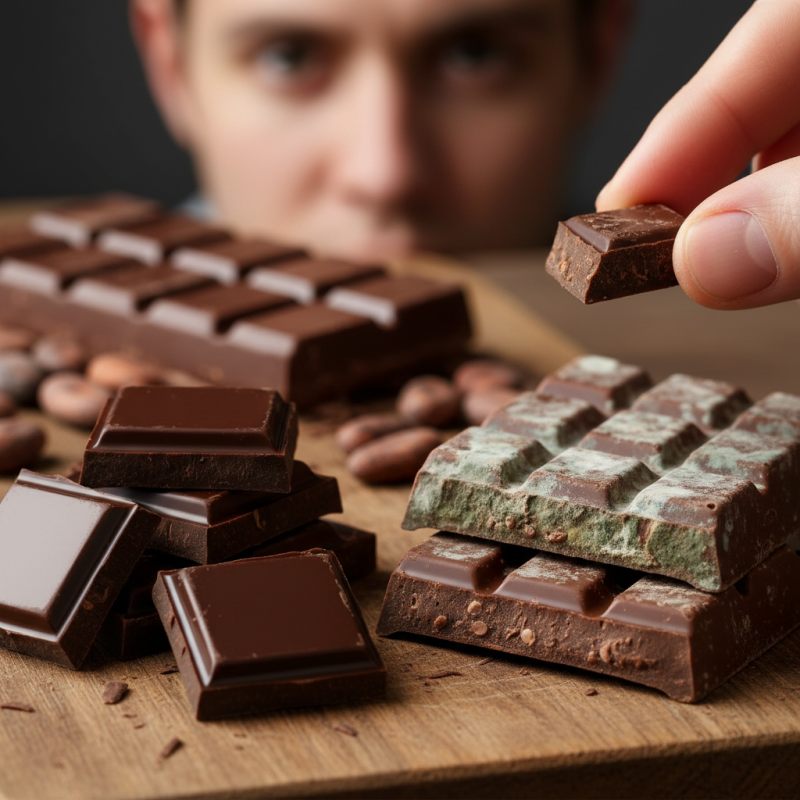
Chocolate can be a delightful treat, but it’s essential to know when it’s no longer safe to eat. Look for some key indicators to determine its expiration. The first sign is the appearance. If your chocolate has a white, dusty surface, it may have bloomed. This is not harmful but can alter the taste. Cracks and an altered texture indicate aging.
Next, smell the chocolate. Fresh chocolate has a rich aroma. If it smells stale or off, it’s best to reconsider eating it. Taste it cautiously if you’re unsure. A bitter or sour flavor often suggests spoilage. Finally, check the expiration date. Chocolate may still be safe shortly after this date, but your senses will guide you.
When in doubt, trust your instincts. Sometimes, the urge to indulge leads to overlooking signs of spoilage. Not every piece of chocolate stays fresh for months. Improper storage can speed up expiration. Chocolates left in warm areas can deteriorate faster. Embrace these reflections to enjoy your chocolate without worry.
Chocolate Expiration Analysis
This chart illustrates how the quality of chocolate declines over time. Fresh chocolate starts at 100% quality, but that percentage decreases significantly as it ages, showing that after four years, the quality can drop to just 10%.
Visual Cues: Identifying Changes in Chocolate Appearance
When examining chocolate for signs of expiration, appearance is a key indicator. Look for surface changes. If you notice white spots or a coating, that’s a sign of bloom. This occurs when chocolate has been exposed to temperature changes. While it’s not harmful, it affects texture and taste.
Another key visual cue is color. Fresh chocolate has a rich, uniform hue. If it appears dull or has uneven coloring, it may be past its prime. Check for cracks or irregular shapes as well. These can indicate poor storage conditions.
Finally, look for any unwanted residue. Dust or tiny specks can mean that the chocolate has absorbed moisture. This may cause it to spoil sooner. Storing chocolate properly can help maintain its ideal look and flavor for longer. Always remember to trust your eyes before indulging.
Smell and Taste: Assessing the Freshness of Chocolate
When evaluating the freshness of chocolate, start with the smell. Fresh chocolate has a rich, sweet aroma. If it smells off or has a faint odor, it might be a sign of age. Sometimes, you may notice a waxy scent, which indicates it’s time to discard it. Trust your nose—it often knows.
Next, consider the taste. A bite of fresh chocolate should be a delightful experience. If it leaves a strange aftertaste or tastes stale, it’s best not to finish it. Aging chocolate can develop a dry or crumbly texture. Take note of these changes. They can reveal a lot about its quality.
Chocolate can be tricky. Sometimes, visual inspection and smell aren't enough. You may wonder if chocolate still fits your standards. Make sure to assess your feelings towards it. Don’t hesitate. Your senses are your best guide. If something seems off, it’s wise to be cautious.
How to Tell if Chocolate is Expired and What to Do? - Smell and Taste: Assessing the Freshness of Chocolate
| Chocolate Type | Shelf Life | Signs of Expiration | What to Do |
| Dark Chocolate | 2 years | White spots, off smell | Usually safe to eat; taste before consuming |
| Milk Chocolate | 1 year | Sour odor, discoloration | Discard if any signs of spoilage |
| White Chocolate | 6-8 months | Dry texture, bad smell | Not safe to eat if expired |
| Chocolate Bars (filled) | 1 year | Texture or flavor changes | Check for off taste before consuming |
| Baking Chocolate | 2 years | Rancid smell, discoloration | Use caution; may not be effective |
Proper Storage Techniques to Extend Chocolate Shelf Life
Proper storage techniques can greatly extend the shelf life of chocolate. Chocolate should be kept in a cool, dry place. Ideal temperatures are between 60°F and 70°F. Avoid storing chocolate in the fridge; it can lead to unwanted condensation and spoilage.
Tips: Use an airtight container to protect your chocolate. This prevents it from absorbing odors from other foods. If you notice a white powder on the surface, it’s likely sugar bloom. This happens when chocolate gets moist. It’s safe to eat, but won’t taste fresh.
Don’t store chocolate near heat sources like ovens or stoves. The heat affects the texture and flavor. Also, keep chocolate away from direct sunlight. Sunlight can melt the chocolate and degrade its quality. Regularly check your chocolate for signs of age, such as discoloration or strange smells. While chocolate may last a while, it can lose its charm over time.
What to Do with Expired Chocolate: Safe Ways to Dispose or Use
Expired chocolate can be a disappointment. However, it doesn’t always mean you have to throw it away. There are several safe ways to use or dispose of it. If the chocolate has a dull appearance or white marks, it's likely not harmful but may not taste fresh.
One good idea is to use expired chocolate in baking. Melt it down and mix it into a batter for cookies or brownies. The heat will often revive its flavor. You can also add it to sauces for a rich depth. Just make sure it doesn’t have an off smell.
Tips: Always inspect the chocolate closely. If it smells okay, it might still be good for cooking. Be cautious with any that has mold or an unusual scent. If it’s beyond saving, consider composting it. Chocolate can break down naturally, reducing waste.