What is a Neutral Density Filter and How Does it Work?
A Neutral Density Filter, often abbreviated as ND filter, is an essential tool in photography and videography. It allows photographers to control light entering the lens without affecting color balance. This feature makes it possible to achieve longer exposure times, which can create stunning effects in bright conditions.
While the benefits are clear, using a Neutral Density Filter can be challenging. Selecting the appropriate density is crucial to avoid overexposure. It's essential to understand how different ND filters impact your images. Some photographers struggle with this aspect, leading to unexpected results.
Experience plays a vital role in mastering the use of ND filters. Trial and error helps refine technique. Each shot provides an opportunity to learn and improve. This ongoing process is what makes photography both rewarding and complex. Understanding Neutral Density Filters not only enhances your skills but also elevates your visual storytelling.
What is a Neutral Density Filter?
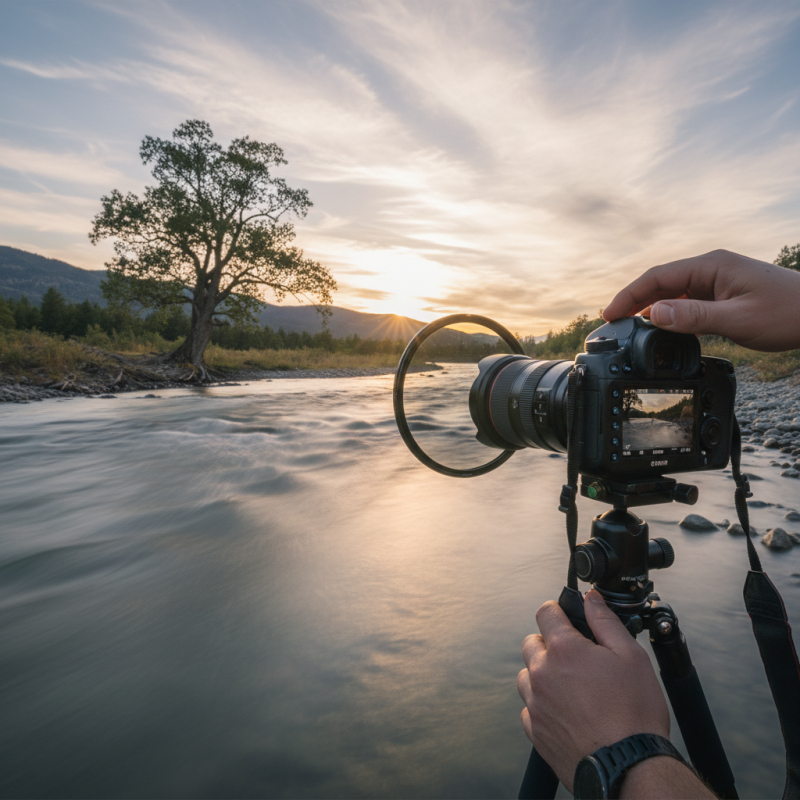
A neutral density (ND) filter is an essential tool for photographers and videographers. It reduces the amount of light entering the lens without changing the color of the scene. This allows for greater control over exposure settings. An ND filter is particularly useful in bright conditions, enabling longer shutter speeds and wider apertures.
Using an ND filter can create beautiful effects. For instance, it can help achieve smooth motion in flowing water or a soft background blur. However, it may also require careful adjustments. Depending on the strength of the filter, exposure times might increase significantly. This can lead to a common trap: over-relying on the filter without a solid understanding of its effects.
Choosing the right ND filter for a specific situation can be tricky. Each photographer might have a different experience based on their needs. It’s important to experiment with various strengths. Many find that practice leads to a better grasp of using ND filters effectively. Yet, it's not uncommon to make mistakes along the way. Each misstep can provide valuable lessons for future projects.
The Purpose and Benefits of Using Neutral Density Filters
Neutral density (ND) filters are essential tools for photographers seeking creative control over their images. These filters reduce the amount of light entering the lens without altering the color balance. By doing this, photographers can use wider apertures and slower shutter speeds, opening up a world of possibilities. For instance, you can achieve beautiful motion blur in waterfalls or clouds while maintaining a balanced exposure.
One of the key benefits of ND filters is their ability to enable longer exposure times. This flexibility allows artists to capture serene scenes in a unique light. In bright daylight, using a slow shutter speed creates dreamy effects. However, some photographers can struggle with exposure settings, leading to overexposed shots. This is an area where practice and understanding become crucial.
Another advantage of using ND filters is the ability to shoot at wider apertures, even in bright conditions. This helps create a shallow depth of field, resulting in beautiful backgrounds. Yet, it can be tricky to achieve the desired focus point. Miscalculating the depth can lead to unwanted blurriness in vital areas. Understanding how ND filters can enhance your photography requires experience and experimentation, which can be both rewarding and frustrating.
What is a Neutral Density Filter and How Does it Work? - The Purpose and Benefits of Using Neutral Density Filters
| Dimension | Description |
| Light Reduction | Neutral density (ND) filters reduce the amount of light entering the lens without affecting the color balance. |
| Shutter Speed Control | Allow photographers to use slower shutter speeds in bright conditions for creative effects like motion blur. |
| Aperture Flexibility | Enable the use of wide apertures in bright light, resulting in a shallower depth of field. |
| Balanced Exposure | Help in achieving balanced exposure across the image when shooting scenery with high dynamic range. |
| Long Exposure Photography | Essential for long exposure shots during daylight, allowing smooth water and cloudy skies. |
| Type of Filters | Available in various strengths (e.g., 3-stop, 6-stop, 10-stop) to cater for different lighting conditions. |
Types of Neutral Density Filters Available
Neutral density (ND) filters are essential tools for photographers and videographers. They reduce the intensity of light without altering color balance. Various types are available to meet different needs. Each type offers unique advantages, making selection crucial.
Fixed ND filters come in specific stops, such as 3, 6, or 10 stops. These allow consistent control over exposure. Graduated ND filters, on the other hand, have a gradient of density. They are ideal for landscapes, balancing bright skies with darker land below. Variable ND filters provide flexibility. Users can adjust the density, making them versatile for changing conditions.
Choosing the right filter can be challenging. What works in one situation may not in another. Experimenting with different types can help refine preferences. Many photographers learn through trial and error. Balancing light and exposure is an ongoing process. Embracing imperfections leads to growth in skill and creativity.
How Neutral Density Filters Affect Exposure Settings
Neutral density (ND) filters are essential tools in photography. They reduce the intensity of light entering the camera. This allows photographers to manipulate exposure settings effectively. When using an ND filter, you can use wider apertures even in bright conditions. This leads to a shallower depth of field, creating beautiful background blur.
ND filters also enable longer shutter speeds. When photographing waterfalls or rivers, a longer exposure can create a smooth, ethereal effect. However, not all shots may benefit from this method. If the exposure is too long, you might lose detail in highlights. Experimentation is crucial here.
Adjusting your exposure settings with an ND filter can feel counterintuitive. You need to compensate for the reduced light by increasing the ISO or extending the shutter speed. Sometimes, the results may not align with your vision. This is a learning process that encourages photographers to refine their technique. Embracing these challenges is part of the journey to capture stunning imagery.
Tips for Effectively Using Neutral Density Filters in Photography
Neutral density (ND) filters are essential tools for photographers. They help control light entering the lens. This control allows for creative effects in various shooting conditions. When using ND filters, there are a few tips to keep in mind for the best results.
One important tip is to choose the right strength. Filters come in different densities. A stronger filter darkens the scene more, giving you extra control over your shutter speed. When shooting in bright sunlight, a 6-stop or 10-stop ND filter can help achieve longer exposures. This can create a smooth, silky effect in waterfalls or clouds. However, using too strong a filter can result in underexposed images, requiring careful adjustment.
Another key consideration is composition. Try framing your shot while considering the dynamic range of the scene. With an ND filter, you can open up your aperture, creating a shallow depth of field. This can isolate subjects beautifully against a blurred background. However, take time to experiment. It’s easy to misjudge how an ND filter alters the scene. Patience in practice will lead to better outcomes and unique shots over time.