What is Porcelain Floor Tiles and Why Choose Them?
Porcelain Floor Tiles are becoming increasingly popular for home and business flooring. They are made from a dense type of clay, fired at high temperatures, creating a strong and durable surface. Many people choose porcelain due to its resistance to moisture and stains, making it ideal for various areas. The variety of colors and designs available allows for creative expression in any space.
However, not everyone considers the full implications of using porcelain. While it is a reliable material, installation can be challenging. Seeking professional help often becomes necessary, adding to costs. Additionally, although these tiles are durable, they can be cold underfoot, which might not suit everyone’s preferences. Understanding these factors is essential when selecting flooring options.
Choosing Porcelain Floor Tiles can still bring significant benefits. Their aesthetic appeal and durability make them a wise investment for long-term use. With proper maintenance, they can enhance any room’s beauty and functionality. Weighing the pros and cons is crucial to making an informed choice.
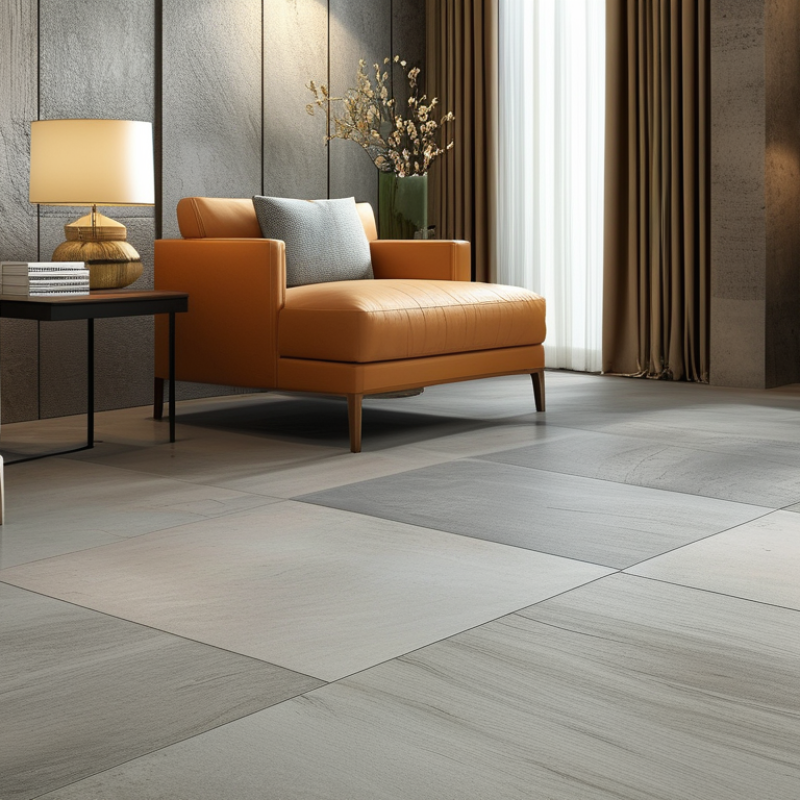
What Are Porcelain Floor Tiles?
Porcelain floor tiles are a popular choice for many homeowners and designers. Made from a fine clay, these tiles undergo a high-temperature firing process, making them dense and durable. They are resistant to moisture, stains, and scratches. This makes them ideal for high-traffic areas, kitchens, and bathrooms.
The aesthetic appeal of porcelain tiles cannot be ignored. They come in various colors, patterns, and finishes. Some mimic natural stone, while others have a sleek, modern look. This versatility allows homeowners to express their style. However, the installation can be challenging. Proper preparation and tooling are crucial for a flawless finish. Many end up with uneven surfaces or unsightly grout lines.
Porcelain tiles' longevity is another factor to consider. If installed correctly, they can last for decades. However, improper sealing can lead to fading or cracking. Routine maintenance is essential to keep them looking fresh. Cleaning solutions should be gentle yet effective to avoid damage. Ultimately, the decision to choose porcelain tiles should involve weighing their aesthetic value against practical challenges.
What is Porcelain Floor Tiles and Why Choose Them?
| Feature | Description | Benefits |
| Material Composition | Made from dense clay and fired at high temperatures | Durability and strength |
| Water Absorption Rate | Less than 0.5% | Highly resistant to moisture |
| Maintenance | Easy to clean and maintain | Cost-effective over time |
| Aesthetic Variety | Available in various colors, patterns, and finishes | Enhances interior design options |
| Temperature Resistance | Can withstand extreme temperatures | Ideal for radiant heating systems |
Composition and Manufacturing Process of Porcelain Tiles
Porcelain tiles are a popular flooring choice. They are made from a specific type of clay that is fired at extremely high temperatures. This process makes them denser and less porous than other ceramic tiles. The high-temperature firing also enhances their strength and durability, making them suitable for high-traffic areas.
The manufacturing process begins with a carefully measured mixture of clay, feldspar, and silica. This mixture is then shaped into tiles using advanced techniques like pressing or extrusion. Once shaped, the tiles are fired in a kiln. This firing process can last several hours and reaches temperatures exceeding 1200 degrees Celsius. Such conditions not only harden the tiles but also influence their color and finish.
Despite their many benefits, porcelain tiles can be challenging to work with. They are quite heavy, requiring careful handling during installation. Moreover, their hardness can make cutting more difficult, needing specialized tools. If not installed correctly, issues with cracking or uneven surfaces may arise. Understanding these aspects is crucial for anyone considering porcelain tiles as their flooring option.
Benefits of Choosing Porcelain Floor Tiles
Porcelain floor tiles have gained popularity in modern homes due to their numerous advantages. These tiles are known for their durability, water resistance, and low maintenance. According to the National Tile Contractors Association (NTCA), porcelain tiles are less porous than ceramic tiles, making them nearly impermeable. This characteristic is crucial in areas prone to spills or humidity, such as kitchens and bathrooms.
Another significant benefit is their aesthetic versatility. Porcelain tiles come in various designs, mimicking natural stone or wood. A report by the Allied Market Research predicts that the global porcelain tile market will reach $66.8 billion by 2027. This growth reflects the increasing preference for high-quality flooring that combines beauty and toughness.
Moreover, the lifespan of porcelain tiles is impressive. They can last over 50 years when properly maintained, offering excellent long-term value. However, installation can be challenging, as they require specific tools and skills. It’s essential to consider these factors when choosing porcelain tiles to ensure satisfactory results. While they are an outstanding flooring option, proper installation and planning are key to maximizing their potential in a space.
Porcelain Tiles vs. Other Flooring Options
Porcelain tiles offer durability and versatility unmatched by other flooring options. They are denser than ceramic tiles, making them ideal for high-traffic areas. Their low porosity means that they resist stains and moisture effectively. Unlike hardwood or carpet, porcelain tiles can withstand spills, making them easier to clean. The surface can mimic natural stone or wood, providing aesthetic appeal without sacrificing practicality.
When comparing porcelain tiles to other flooring materials, it’s essential to consider maintenance. Unlike vinyl or laminate, porcelain does not fade and is scratch-resistant. However, installation can be tricky for beginners. It often requires specialized tools and skills. This might lead to increased costs if hiring professionals.
**Tip:** Always examine samples in your home’s lighting before making a final decision. The color can vary greatly under different conditions.
While porcelain tiles are low-maintenance, grout lines can accumulate dirt. Choosing wider tiles can minimize grout, but it can also lead to a less seamless look. Hence, it is vital to weigh aesthetics against practicality. Ultimately, making an informed choice about flooring can significantly enhance your space.
Maintenance and Care for Porcelain Floor Tiles
Porcelain floor tiles are known for their durability and aesthetic appeal. However, proper maintenance is crucial to preserve their beauty. Regular cleaning is essential. For everyday dirt, a damp mop with mild detergent works wonders. Be cautious with harsh chemicals. They can damage the tiles' surface. Studies show that improper care can lead to a decrease in longevity.
Grouting is another critical aspect of tile care. Grout can absorb stains easily. Sealing the grout every year helps prevent discoloration and staining. As noted by industry experts, maintained grout can extend the lifespan of your tiles by up to 20%. It's easy to neglect, but a little effort goes a long way.
Additionally, using rugs in high-traffic areas can reduce wear and tear. Yet, remember to clean them regularly to avoid trapping dirt. Sometimes, it's easy to overlook small details. However, these small maintenance habits build a foundation for long-lasting porcelain flooring. The right care ensures that your tiles remain both beautiful and functional.
Maintenance and Care for Porcelain Floor Tiles
This chart displays the average hours spent on various maintenance activities for porcelain floor tiles each month. Regular cleaning takes the most time, while scratch repair and stain removal require less frequent attention.