
Language:

What is a Solenoid Valve in an Irrigation System?

In modern agriculture, efficient irrigation is crucial. A Solenoid Valve In Irrigation System plays a vital role in optimizing water usage. According to industry reports, about 70% of freshwater is used for agricultural purposes globally. This statistic underscores the importance of smart irrigation technology.

Solenoid valves automate water flow, enhancing system efficiency. They minimize water wastage by precisely controlling irrigation schedules. The global market for solenoid valves in irrigation is expected to grow by 10% annually, reflecting increasing awareness of sustainable practices. However, reliability can be a concern. Malfunctioning valves can lead to undesired flooding or dry patches in fields.

Farmers need to carefully consider valve selection. Not all solenoid valves perform equally in varying conditions. Quality, durability, and compatibility are essential factors. Monitoring and maintenance are also critical. Over time, wear and sediment build-up can hinder performance, leading to inefficiencies. Reflecting on these issues can lead to improved practices and outcomes in irrigation management.
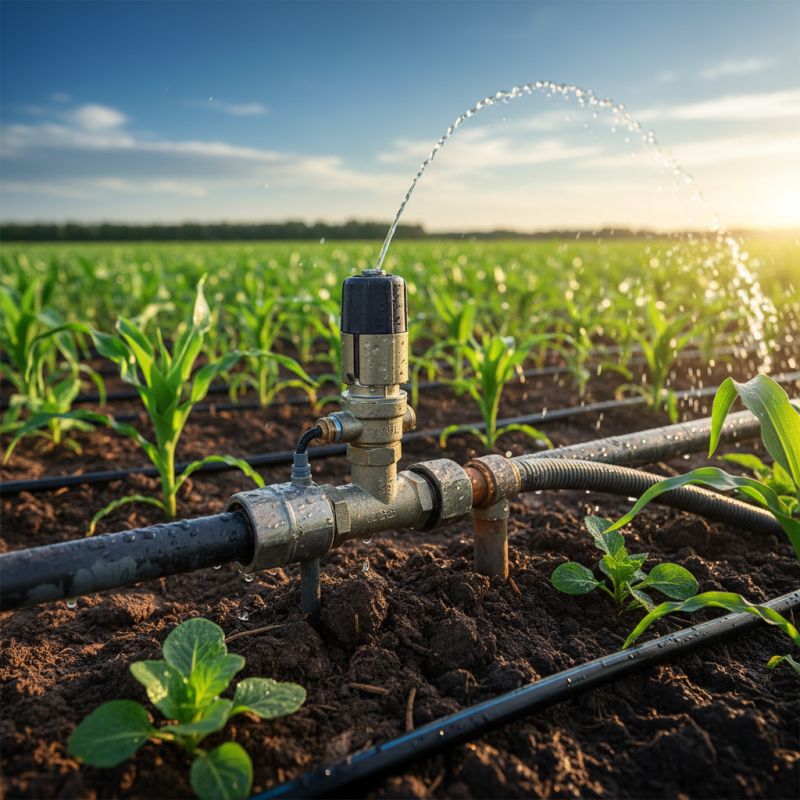
What is a Solenoid Valve in an Irrigation System?

Definition and Function of a Solenoid Valve in Irrigation Systems

A solenoid valve is a vital component in irrigation systems. It controls the flow of water through pressurized pipes. When electricity flows through the solenoid, it creates a magnetic field. This field opens or closes the valve based on the irrigation schedule. This mechanism helps manage water distribution efficiently. The ability to automate watering can save water and reduce costs.

Studies show that efficient irrigation can reduce water usage by up to 50%. With the right solenoid valves, users can enjoy precise control over water delivery. This precision leads to healthier crops and lower utility bills. However, incorrect installation can lead to leaks and wastage. It’s important to consult with experts to ensure proper setup.

Tips: Regular maintenance is essential. Inspect valves for dirt or debris regularly. Sometimes, solenoid valves can become faulty, leading to overwatering. It's helpful to have spare parts on hand. Properly calibrating the system can prevent water waste. Sometimes, the system may require adjustments as crops grow. Always observe the system's performance to make necessary changes.


Components of a Solenoid Valve and Their Roles in Irrigation

A solenoid valve plays a crucial role in an irrigation system. This device controls the flow of water, ensuring plants receive the right amount of moisture. Understanding the components of a solenoid valve helps in appreciating its function.

The main components are the solenoid coil, the plunger, and the housing. The solenoid coil generates a magnetic field when electrical power flows through it. This magnetic field pulls or pushes the plunger, opening or closing the valve. The housing encases these parts and is often made of durable materials to withstand various weather conditions.

A common issue is the solenoid's response time. Sometimes, it can be slow, affecting irrigation efficiency. Additionally, improper installation can lead to leaks. Regular maintenance can help, but many neglect this step. It’s essential to check for blockages in the valve. Failure to do so can cause uneven watering, which may harm the plants. Identifying these issues early can improve system performance greatly.

What is a Solenoid Valve in an Irrigation System? - Components of a Solenoid Valve and Their Roles in Irrigation

Component Role in Irrigation Material Common Voltage
Coil Electromagnet that actuates the valve Copper 24V AC
Body Houses the internal mechanisms of the valve Plastic or Brass 12V DC
Diaphragm Controls the flow of water Rubber or Silicone 24V AC
Spring Returns the diaphragm to its original position when deactivated Stainless Steel 12V DC
Inlet/Outlet Ports Connects to the irrigation system's pipes Brass or PVC 24V AC

How Solenoid Valves Work: Mechanism of Operation Explained

A solenoid valve is an essential component in modern irrigation systems. It controls water flow to the fields. Understanding how solenoid valves work can lead to better irrigation efficiency.

Solenoid valves operate using an electromagnetic coil, which activates a plunger to open or close the valve. When the coil is energized, it creates a magnetic field. This field pulls the plunger, allowing water to flow through the valve. Conversely, when the power is off, the plunger returns to its closed position.

This simple mechanism offers precise control over water distribution. According to industry reports, efficient irrigation through these valves can reduce water usage by up to 30%.

Tip: Maintaining solenoid valves regularly helps prevent leaks and improves performance. Clean the valves periodically to ensure efficient operation. Over time, dirt and debris can affect functionality. Proper installation also matters. Ensure the valves are installed horizontally to avoid malfunctions.

Despite their effectiveness, solenoid valves may fail due to corrosion or electrical issues. Regular checks can mitigate these problems. Each irrigation setup is unique. Consider local soil and crop needs when choosing solenoid types. This customized approach enhances the overall irrigation strategy.

Benefits of Using Solenoid Valves in Irrigation Systems

Solenoid valves are crucial components in modern irrigation systems. They automate water flow control, enhancing efficiency. A report from the Irrigation Association reveals that using automated valves can reduce water consumption by up to 30%. This not only conserves precious resources but also lowers utility costs for farmers and homeowners alike.

The precision offered by solenoid valves is remarkable. They allow for scheduled watering, reducing the risk of over- or under-watering. Research shows that optimized irrigation can increase crop yields by 20-25%. However, it's also important to note that the initial installation cost can be higher than manual systems. Users may need to assess whether the benefits outweigh the financial investment. Regular maintenance is also necessary to ensure reliability, as neglect can lead to failures.

Moreover, solenoid valves can integrate with smart technologies. This offers real-time monitoring and adjustments, leading to even greater water savings. Yet, not every system is adapted for such advancements. Some may find it challenging to adapt existing setups. Assessing compatibility can be a complex task for those in the agriculture sector. Overall, solenoid valves are powerful tools but require thoughtful implementation.

Common Issues and Maintenance Tips for Solenoid Valves in Irrigation

Solenoid valves play a crucial role in irrigation systems. They control the flow of water based on electrical signals. However, these valves can encounter problems. Common issues include clogging and leaks. Dirt or debris can block their internal mechanisms, preventing proper function. Regular inspection is essential. If you notice reduced water flow, check the solenoid valve first.

Maintenance is key to longevity. Clean the valves periodically to avoid accumulation of residue. Ensure that electrical connections are secure. Moisture can lead to corrosion, affecting performance. Replacement might be necessary if issues persist. Sometimes, the simple act of tightening a loose connection can solve a significant problem.

Remember that not all problems are obvious. A valve that seems to work may have internal damage. Regular checks and minor repairs can save time and money. Adjusting your maintenance schedule based on observed issues will lead to a more efficient irrigation system.

Member of

Associated Wire Rope FabricatorsMHI MemberNetPlus Alliance Member Steel Erectors Assocation STADFA member

Terms of Sale | Privacy Policy