Top 10 Fusion Welding Machines for Global Buyers?
Choosing the right Fusion Welding Machine is rarely a simple ranking exercise. Global buyers face different pipe materials, diameters, site conditions, power systems, and certification requirements. A machine that performs well in a controlled workshop may struggle on a windy construction site. That detail matters.
John C. Villafuerte, a recognized welding technology author, offers a practical reminder: “The quality of a welded joint depends on controlling the welding process.” This principle guides our selection. The machines reviewed in “Top 10 Fusion Welding Machines for Global Buyers” are assessed through heating stability, hydraulic pressure control, alignment accuracy, data recording, portability, and after-sales support. We also consider whether manufacturers provide clear manuals, replacement parts, operator training, and documented testing procedures. These features build confidence when projects cross borders.
Real conditions are less tidy. Voltage may fluctuate. Pipes may arrive with uneven surfaces. Operators may work under dust, rain, or limited space. A strong machine must remain dependable there. Not every premium model is the best choice. Some buyers may prefer a compact unit with simple controls, while others need automated records for quality audits. This guide compares both options without treating price as the only answer. It also recognizes an uncomfortable point: published specifications do not always predict field performance. Buyer feedback can be incomplete, and service claims deserve verification. Therefore, readers should confirm local standards, material compatibility, calibration procedures, and supplier responsiveness before purchasing. Small checks prevent expensive mistakes.
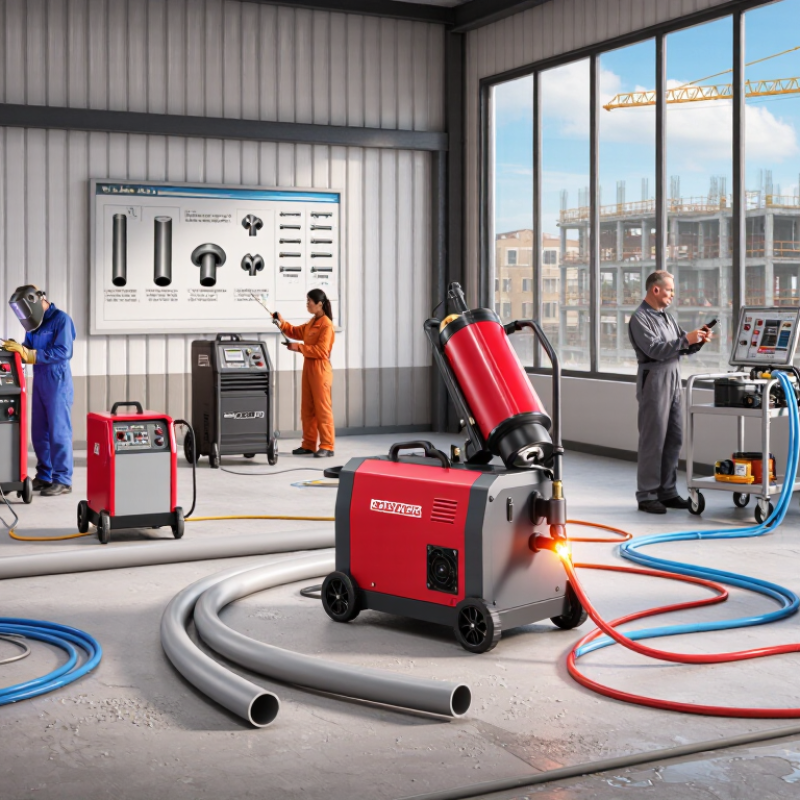
What Fusion Welding Machines Are and How They Work
Fusion welding machines join thermoplastic components by heating their surfaces and pressing them together. Unlike adhesive bonding, this process creates a continuous molecular connection. Most equipment serves plastic pipe systems, including polyethylene and polypropylene applications. A typical machine includes clamps, a facing tool, a heater plate, hydraulic controls, and pressure gauges. The frame keeps pipe ends aligned while the heater softens them.
During butt fusion, an operator secures two pipe sections and removes dirt, moisture, and uneven edges. The facing tool makes both ends flat. The heated plate then contacts the surfaces until a controlled bead forms. The plate is removed quickly, and hydraulic force pushes the softened ends together. Cooling time matters. Movement during cooling can weaken the joint, even when the bead looks acceptable. Machines with data recording can capture temperature, pressure, time, and operator checks, supporting traceability for infrastructure projects.
Electrofusion uses fittings with embedded resistance wires. The machine sends regulated electrical energy through the fitting, melting the surrounding plastic. Clean preparation is critical; dust, moisture, and poor scraping can cause hidden defects. Buyers should match machine capacity to pipe diameter, material, site power, and operator training. Ask for calibration records and clear maintenance instructions. Real work is less tidy. Wind, rain, awkward trenches, and rushed alignment expose weak procedures. A reliable machine helps, but skilled preparation still decides joint quality.
Key Specifications Global Buyers Should Compare
When comparing the top 10 fusion welding machines, global buyers should examine more than heating temperature. Start with the pipe diameter range, compatible materials, and welding pressure control. A machine for small irrigation pipes may not suit thick industrial lines. Check whether the frame remains stable under load. Alignment errors can create weak joints.
Temperature accuracy matters, but recovery speed matters too. Look for a durable heating plate, clear controls, and consistent pressure readings. Hydraulic systems can provide steady force, while electric models may offer easier transport. Buyers should also compare power requirements, plug standards, operating voltage, and frequency. Data logging is valuable for quality records, although not every project needs it. A perfect specification sheet can still mislead.
Tips: Ask for test-weld results using your actual pipe size and material. Confirm spare-part availability, training, and service response before purchase. Inspect the machine’s weight and carrying points; field crews notice these details quickly. Check safety features, insulation, temperature limits, and emergency controls. I have seen buyers focus on maximum pressure and overlook calibration. That mistake is expensive. Measure twice. Perform a practical trial.
Top 10 Fusion Welding Machines for Global Buyers
Key specifications global buyers should compare include rated output current and duty cycle. The chart presents representative specifications for common industrial and workshop fusion-welding machine configurations.
Values are representative market specifications and may vary by operating temperature, input power, material, and applicable testing standard. Buyers should confirm the manufacturer’s datasheet, duty-cycle standard, voltage requirements, wire or electrode capacity, and regional certification before purchasing.
Top 10 Fusion Welding Machines by Use Case and Performance
For global buyers, the top 10 fusion welding machines should be judged by use case, not appearance.
Portable butt-fusion machines suit repair crews and remote water lines.
Hydraulic butt-fusion machines deliver stronger pressure control for large-diameter pipelines.
Manual socket-fusion tools work well on small plumbing projects.
CNC-controlled butt-fusion machines improve repeatability in factory production.
Electro-fusion processors are useful where trench space is limited.
Semi-automatic units balance cost and operator control.
Fully automatic machines reduce cycle variation on high-volume lines.
Battery-powered models help field teams without stable electricity.
Workshop machines support frequent fabrication and calibration.
Heavy-duty orbital fusion systems fit demanding industrial assemblies.
Performance depends on pressure stability, heating-plate accuracy, data logging, and alignment.
ASTM F2620 and ISO 21307 provide practical benchmarks for polyethylene pipe fusion procedures. Buyers should also check clamping range, generator compatibility, and spare-part access. MarketsandMarkets places the welding equipment sector on a mid-single-digit growth path through the decade, reflecting continued infrastructure and manufacturing demand. That growth does not make every machine a smart purchase. A compact unit may outperform a larger one on congested sites. Yet, I have seen low-cost models lose temperature consistency after repeated cycles. The weak point is often maintenance, not welding capacity. Operators should record bead size, heating time, ambient temperature, and fusion pressure during trials. No ranking is perfect. Soil conditions, pipe material, training, and local standards can change the result.
Safety Standards and Regional Compliance Requirements
When comparing the top 10 fusion welding machines for global buyers, safety compliance should rank beside heating speed and joint accuracy.
The International Labour Organization estimated nearly three million work-related deaths annually in its 2023 report.
That figure makes guarding, emergency stops, and operator training practical purchasing issues, not paperwork.
European buyers should check risk assessment under ISO 12100 and electrical safety against IEC 60204-1. The EU Machinery Regulation 2023/1230 will apply from January 2027, requiring stronger digital documentation and traceability. In North America, buyers commonly review OSHA 29 CFR 1910.212, NFPA 79, and applicable electrical certification. Australian projects may reference AS 4024.1, while UK sites often require PUWER-based equipment assessments. Regional acceptance can change the ranking.
Look closely at the machine’s temperature sensors, clamping force controls, cable protection, and readable warning labels. For polyethylene pipe work, data logging can record fusion temperature, pressure, operator identity, and cooling time. That evidence helps during audits.
A conformity mark alone is not proof of safe installation. Procurement teams should request test reports, declaration documents, maintenance intervals, and local service competence. Small gaps remain common. A technically excellent machine may still fail site approval because its plug, guarding layout, or manual does not match regional expectations.
How to Select, Purchase, and Maintain the Right Machine
Choosing among the top 10 fusion welding machines requires more than comparing prices. Match the machine to pipe material, diameter range, wall thickness, and jobsite conditions. A unit for municipal waterwork may need different pressure control than one used in industrial plants. Check heating plate accuracy, clamping strength, alignment tolerance, and available power. These details affect joint consistency.
Purchase decisions should include training, spare parts, calibration support, and delivery reliability. Request test records and sample weld data before ordering. Ask whether the control system stores temperature, pressure, and cooling times. Clear records support quality inspections and reduce disputes. Do not trust impressive specifications alone. I have seen capable machines perform poorly when operators lacked practical training. That weakness is easy to overlook.
Tips: Inspect the frame for distortion, test clamps with the largest planned pipe, and confirm the heater reaches its stated temperature evenly. Keep heating surfaces clean and protect cables from moisture. Schedule calibration according to operating hours, not convenience. Replace worn seals early. Small leaks become expensive problems. Review maintenance logs monthly, even when production seems normal. A machine can pass a purchase inspection and still need better procedures after several weeks of use.