
A Mud Pump Valve may look like a small, replaceable part, but its condition affects fluid circulation, pressure stability, and maintenance intervals. In a rig’s mud pump, valves repeatedly open and close as liners draw in and discharge drilling fluid. Abrasive solids, changing pressure, and poor seating can accelerate wear. The result may be leakage, reduced pump performance, or an unplanned inspection. Small part. Large consequences.
This guide compares ten common valve types and design variations, including differences in material, geometry, and typical service conditions. It uses established references such as API Specification 7K, which covers drilling and well-servicing equipment, and the IADC Drilling Manual for operational context. Baker Hughes’ rig-count reports also help describe drilling activity, though rig counts cannot predict valve life or prove one design is superior. That distinction matters. Field conditions vary.
A practical comparison should connect valve choice with fluid properties, pump model, operating pressure, and maintenance access. For example, a valve that handles abrasive mud well may still be a poor fit if its dimensions do not match the fluid-end assembly. Manufacturer specifications and inspection records should therefore guide final selection. No universal winner exists. The following overview offers a clear starting point, while recognizing that published guidance cannot replace equipment-specific checks or experienced field judgment.
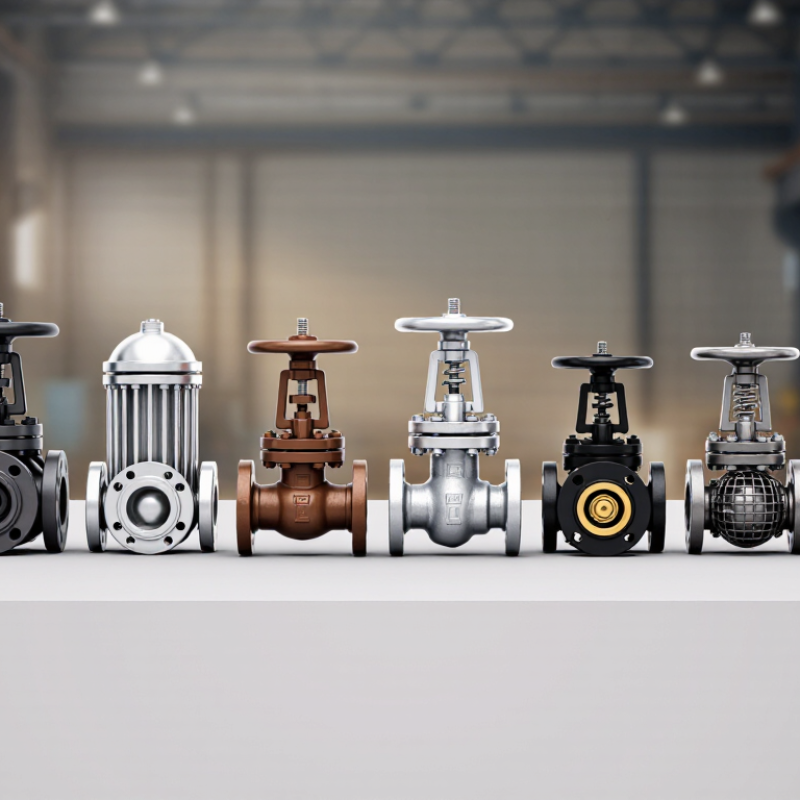
Mud pump valves control the one-way movement of drilling fluid through each pumping cycle. On the piston’s pullback stroke, pressure inside the fluid end drops. The suction valve opens, while the discharge valve stays seated. Mud enters the cylinder, carrying suspended solids that can gradually wear valve faces and seats.
Then the piston advances. The suction valve closes, and rising pressure opens the discharge valve. Fluid moves into the discharge line and toward the standpipe. That matters. A valve that seals poorly can let fluid slip backward, lowering flow and causing pressure fluctuations. Operators may notice uneven pressure readings, unusual vibration, or a change in pump performance before damage is obvious.
Ball-and-seat, guided, plate, and poppet designs handle this cycle in different ways. No single style suits every fluid end. Solids content, operating pressure, and maintenance conditions all affect valve choice and service life. A clean diagram makes the action look perfectly timed; actual mud is abrasive, and wear is rarely uniform. Inspection should include the seat as well as the moving valve, since replacing one worn part alone may not restore a reliable seal.

Mud pump valve “types” are not always classified the same way; designs combine closure shape, guidance, and seat construction. Common configurations include flat, spherical, conical, wing-style, guided, unguided, spring-loaded, low-lift, replaceable-seat, and bonded-seat valves. The label alone says little. Performance depends on how components handle pressure, abrasive mud, and repeated impact.
A guided valve can track consistently, but tight clearances may trap solids. A wider flow path can reduce restriction, though it may expose more surface to erosion. Seat angle and contact width affect sealing and impact stress. Elastomer choice matters too: heat, fluid chemistry, and compression can change how it seals. Inspect the spring, guide, seat, and sealing surface together; replacing one worn part may not solve the cause. Even a well-matched valve can wear faster than expected. That is worth acknowledging.
Tips: Check for uneven seat marks, chipped edges, and packed solids during service. Compare wear across valves, and record operating conditions. A small clearance change can matter. Use the pump maker’s specifications for fit and materials, and verify the selected design against the mud and duty cycle.
Mud pump valves control fluid movement through each suction and discharge stroke. Ten common types include ball, flat, guided, wing, full-open, low-profile, replaceable-insert, rubber-insert, polyurethane-insert, and nitrile-insert valves. These names do not describe ten entirely separate mechanisms. Some refer to shape or guidance; others describe insert design or material. A ball valve suits simple, direct movement, while guided and wing styles help keep the valve aligned. Full-open and low-profile designs provide different flow openings and fit different fluid-end layouts. Replaceable inserts can simplify maintenance. Rubber, polyurethane, and nitrile inserts offer different wear and fluid-compatibility trade-offs. Always confirm the valve matches the pump specifications and service conditions.
Tips: Check the seat and insert during maintenance. Look for chipped surfaces, cracks, uneven wear, and solids trapped around the sealing area. Names vary.
For abrasive mud, inspect sealing surfaces often; fine solids can score a seat and cause leakage. A worn spring may also slow valve return, reducing pumping efficiency. Match materials to the fluid and operating temperature, and use the pump maker’s service guidance for dimensions and clearances. A valve that looks sound may still seal poorly under pressure. That is easy to overlook. Keep a record of failures and service hours; it can reveal whether wear, fit, or operating conditions need attention.
Mud pump valves are often described by shape, guidance, and sealing design, so the “top ten” categories can overlap. Common options include flat, spherical, guided, unguided, full-open, restricted-flow, replaceable-insert, bonded-insert, metal-to-metal, and elastomer-sealed designs. Each handles fluid differently. A guided valve can track steadily through repeated strokes, while a spherical design may tolerate some misalignment. The right choice depends on the pump and the mud, not just the name.
Material selection changes service life. Hardened alloy steel seats resist impact, but abrasive cuttings can still score their surfaces. Stainless steel can help where corrosion is a concern, though it is not automatically best for every drilling fluid. Polyurethane inserts often suit abrasive service; nitrile or HNBR may fit different temperature and fluid conditions. Check the maker’s pressure and temperature limits, fluid compatibility, and solids content. Small details matter. A worn seat can cause leakage, heat, and faster damage elsewhere. Material charts help, but field conditions can be messier than the chart suggests.
Tips: Inspect the seat and insert together, and look for uneven wear or embedded grit. Match elastomer to fluid and temperature. If failures repeat, record operating conditions before changing materials; the cause may be alignment, not composition. Be cautious with a “one material fits all” assumption.
Choosing among mud pump valve types starts with the drilling fluid, not a catalog label. Ball, flap, and guided valves each behave differently as fluid, pressure, and solids change. Check the pump’s specified valve geometry before comparing materials. A valve that looks suitable may not seat correctly in a different assembly.
Match the valve and seat materials to fluid chemistry and operating temperature. Abrasive mud can wear sealing surfaces quickly; trapped cuttings may also keep a valve from closing fully. During inspection, look for chipped edges, uneven wear, cracks, and a polished ring that suggests poor seating. Small marks matter. Replace damaged parts with compatible components, and check the seat and spring at the same time.
Maintenance works best as a routine, not a response to lost pressure. Record inspection dates and note changes in discharge pressure or unusual knocking. Clean parts carefully, since scraping can damage a sealing face. There is no perfect interval: solids content and operating conditions vary, and a neat schedule can miss real wear. Use the pump manual and observed condition together when deciding what to replace.
A qualitative comparison of common mud-pump valve assembly designs and material options. The 1–5 scores indicate relative routine inspection attention, not measured service life or performance.
How to use this chart: Match the valve and seat to the pump fluid end, operating conditions, and manufacturer specifications. During maintenance, inspect sealing surfaces, inserts, seats, and springs for wear, cracking, deformation, or damage; replace worn parts and maintain correct assembly clearances.
Copyright ©2024 Elephant Lifting Products | All rights reserved.
38381 N Robert Wilson Rd, Gonzales, LA 70737 USA
Toll Free: (888) 844-6113 | Phone: (225) 644-6113 | Fax: (225) 644-6695
Email: sale@floralift.org