Language:

Top 3D Print Lenticular Products for Global Buyers

Global buyers looking for 3D Print Lenticular products need more than a dramatic sample image. They need prints that remain clear at the intended viewing distance, survive handling, and arrive with consistent color and alignment. Small details matter. A slight shift between image layers can soften the effect; a poorly matched lens sheet can make fine text difficult to read. Product choice should start with use: retail displays, postcards, packaging, promotional cards, or larger wall graphics each call for different sheet thicknesses, viewing angles, and production tolerances.

Frederick E. Ives, a pioneer of stereoscopic imaging, is relevant to the principle behind lenticular depth. A practical paraphrase of that principle is: “Depth begins when each eye receives a different view.” This is a paraphrase, not a verified direct quotation. For buyers, it points to a useful question: does the supplier explain how artwork, lens pitch, and viewing distance are matched? Ask for a physical sample, not only a screen preview. Check image transitions under ordinary indoor light. Compare the finished piece at close range and from its intended display position. A sample may look impressive on a desk yet perform less well on a shop shelf. That gap deserves attention. The sections ahead examine three widely useful product types and the details global buyers should confirm before ordering, including material options, print finish, packaging, and quality checks. Clear specifications reduce surprises, though they cannot replace reviewing the actual product.
Top 3D Print Lenticular Products for Global Buyers

Understanding 3D-Printed Lenticular Products and How They Work

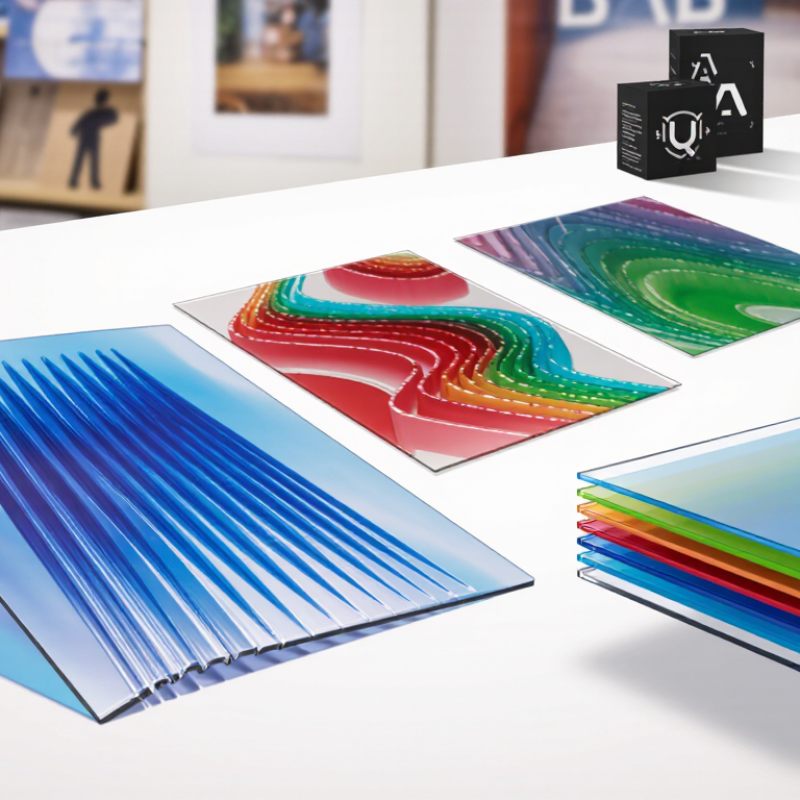
Lenticular products use a clear sheet of narrow, curved lenses to show different image strips from different viewing angles. The artwork beneath the sheet is divided into fine bands, then carefully aligned with the lenses. Move the product slightly, and the visible bands change. That shift can create apparent depth, motion, or a simple image change.

The 3D effect is visual, not a solid object rising from the page. For a depth effect, designers prepare images from slightly different viewpoints and interlace them into one print file. Lens pitch, viewing distance, and image alignment all matter. A mismatch can cause ghosting, where two views appear at once. Alignment matters.

A 3D-printed frame, display stand, or shaped backing can support the lenticular panel and give the finished item physical form. The lens sheet itself is usually a separate optical layer, so buyers should clarify which parts are printed in 3D. Ask for a sample viewed under ordinary indoor light, not only studio lighting. Check it from several angles and at the intended viewing distance. A small registration error may still show. That is worth discussing before a large order, because the most striking mockup is not always the clearest product in hand.

Key Product Types Available to Global Buyers

Top 3D Print Lenticular Products for Global Buyers

Key Product Types Available to Global Buyers

Lenticular products use a ridged lens sheet to show depth or changing images as viewers move. Common options include 3D-depth posters, flip-effect postcards, motion graphics, and shelf display panels. Wohlers Report 2024 estimated the additive manufacturing industry reached US$20.0 billion in 2023, up 11.1% year over year. This figure covers additive manufacturing broadly, not lenticular printing specifically. It signals a wider market interest in customized production, but does not prove demand for any single lenticular product.

Product choice depends on viewing distance and use. A postcard needs crisp transitions at close range; a retail panel must remain readable from several steps away. Depth designs suit portraits and product imagery, while flip effects work well for before-and-after visuals. Motion designs can attract attention, though too many frames may make transitions look jumpy. That detail is easy to overlook.

Tips: Request a physical proof under the intended lighting. Check lens pitch, image alignment, sheet thickness, and packaging protection before approving a large order. Ask for samples from the same production process; a digital preview cannot fully show the lens effect.

Top Lenticular Products for Global Buyers

Example product formats compared by printed area (cm²)

Larger formats can provide more space for visual effects, while smaller items suit handouts and compact promotions. Dimensions shown are illustrative examples, not universal product standards; actual sizes vary by buyer requirements and supplier.

Materials, Printing Methods, and Visual Effects

Lenticular products depend on a close match between the lens sheet and the printed image. PET sheets are common because they are lightweight and clear; other plastics may suit different thickness or durability needs. Ask suppliers for the lens pitch, sheet thickness, and intended viewing distance. Small mismatches can cause ghosting or soft edges. The effect may look impressive on a sample, then disappoint at a larger size.

Printing methods shape both detail and production choices. Offset printing can be efficient for larger runs, while digital printing offers more flexibility for short runs and variable artwork. In either case, the image must be interlaced to match the lens direction and pitch. Registration matters. Even slight shifts between layers can blur a flip effect or weaken apparent depth. Request a physical proof under ordinary room lighting, not only a screen preview.

Flip, animation, and depth effects each create a different viewing experience. A flip can show two clear scenes, but too many frames may make transitions muddy. Depth effects can suggest layered space, though they do not replace actual 3D structure. Viewing angle matters, too: a narrow sweet spot may frustrate buyers handling the piece casually. I would test samples from several distances and angles. One detail is easy to overlook: surface scratches and glare can reduce clarity, so protective finishes deserve testing rather than assumption.

How to Evaluate Product Quality and Supplier Capabilities

Top 3D Print Lenticular Products for Global Buyers
How to Evaluate Product Quality and Supplier Capabilities

Lenticular prints can show depth, motion, or changing images as the viewing angle shifts. Judge a sample under ordinary room lighting, not only in a product photo. Tilt it slowly and check whether transitions look clean or show doubled edges. Inspect fine details, such as lettering and thin lines, for blur. A small misalignment can be obvious. Request a physical sample in the intended size and lens thickness before approving a large order.

Ask suppliers how they set lens pitch and register artwork to the lens sheet. Reliable partners should explain their proofing steps, material options, and acceptable production tolerances in plain terms. Request details on color consistency between samples and repeat orders. Also check how finished pieces are protected: scratched lenses or bent corners can undermine an otherwise sharp print. A pilot order can reveal handling or packing issues, though it may not predict every production run. That matters.

Tips: Compare samples at several angles. Keep one approved sample as a reference, and record size, finish, and viewing conditions. Don’t rely on promises alone.

Top 3D Print Lenticular Products for Global Buyers - How to Evaluate Product Quality and Supplier Capabilities

Product Type Common Format or Use Lenticular Effect Lens and Artwork Considerations Product Quality Checks Supplier Capability Evidence
Postcards and Greeting Cards Common formats include 4 × 6 in and 5 × 7 in; suitable for mailers, invitations, and retail cards. Short animation, flip image, or shallow 3D depth. Ask the supplier to recommend lens pitch and viewing angle for the intended viewing distance. Artwork must be interlaced to match the selected lens. Check image registration, clean cuts, flatness, edge finish, and whether the effect remains clear when viewed straight on. Request a physical sample, a proof made with the proposed lens, and confirmation of available card stocks and finishing options.
Posters and Wall Displays Commonly produced in standard poster formats such as A3 or A2, as well as custom sizes. Large-format 3D depth, flip, or motion effect for retail and promotional displays. Viewing distance and display lighting affect the perceived result. Confirm the intended viewing conditions before approving the lens and artwork. Inspect image alignment across the full sheet, surface scratches, color consistency, warping, and clarity at the intended viewing distance. Ask for large-format samples, documented inspection steps, packing details, and confirmation of how the supplier prevents bending or surface damage in transit.
Product Labels and Stickers Custom die-cut shapes and sizes for packaging, promotional labels, and collectible stickers. Compact flip or motion effects; depth effects may be used where the design and viewing area allow. Confirm adhesive type, application surface, label dimensions, and compatibility between the lens sheet and finishing process. Check die-cut accuracy, clean edges, adhesion on the intended surface, image registration, and resistance to handling. Request samples applied to the actual packaging material and ask the supplier to confirm available adhesives, cutting tolerances, and roll or sheet delivery options.
Packaging Panels and Sleeves Custom panels, inserts, sleeves, or other packaging components; dimensions depend on the package design. Brand-neutral visual effects such as image flips, short motion sequences, or dimensional artwork. Check panel size, fold or crease locations, and how the lenticular layer will be incorporated into the finished package. Evaluate registration, fold alignment, surface protection, color consistency, and whether assembly affects the lenticular image. Request a finished packaging prototype and confirm the supplier can coordinate printing, die-cutting, lamination, and assembly as required.
Retail Signage and Point-of-Sale Displays Countertop displays, shelf signs, and larger custom display panels. High-visibility depth, flip, or motion effects designed for viewers at a defined distance. Specify viewing distance, viewing direction, panel size, mounting method, and indoor or outdoor use before production. Check readability, image stability from the expected viewing position, panel flatness, mounting accuracy, and surface condition. Ask for a sample at a representative size, mounting or installation guidance, and confirmation of the substrate and protective finish offered.
Lens-Sheet Selection Lens pitch is selected for the artwork, print process, product size, and viewing conditions rather than by product name alone. Lens pitch and viewing geometry influence the appearance of depth, motion, and image transitions. Commonly available pitches vary by supplier and application. Request the actual lens specification and a matched proof; do not approve artwork from pitch alone. Check for visible banding, ghosting, moiré, uneven transitions, and mismatch between the printed image and lens sheet. Ask for a lens sample or specification sheet, the recommended artwork setup, and written confirmation that the production proof uses the proposed material.
Buyer note: Sizes and product features above are typical examples, not fixed industry standards. Approve production only after reviewing a physical proof made with the intended lens, print method, substrate, and finishing process.

Shipping, Customization, and Compliance Across Markets

For global buyers, a 3D lenticular product is only successful if it arrives flat, clean, and visually aligned. Protect the lens surface with a non-abrasive interleaf, then use a rigid mailer or fitted carton. Add corner protection for larger panels. Small details matter. Before ordering in volume, test a sample through the intended shipping route. Pressure, heat, and rough handling can affect presentation.

Customization also needs practical checks. Share final artwork, trim size, viewing distance, and preferred image sequence with the supplier. Request a physical proof when color or alignment is critical. Digital previews help, but they cannot fully show the depth effect. It is easy to miss a small shift until the print is in hand. For compliance, confirm destination-specific labeling, packaging, and product requirements with the importer or relevant local authority. Requirements can differ by market and product use, so avoid assuming one document set fits every shipment.

Tips: Send artwork with clear dimensions and safe margins. Confirm the declared product description and shipping paperwork before dispatch. Ask how samples and finished goods will be packed. Keep a record of approved proofs; it helps resolve disagreements, though it will not prevent every production variation.

Article Source:

Member of

Associated Wire Rope FabricatorsMHI MemberNetPlus Alliance Member Steel Erectors Assocation STADFA member

Terms of Sale | Privacy Policy