Choosing reliable lifting equipment requires more than comparing catalogue prices. This guide explores China’s top 10 Chain Fall Hoist manufacturers through practical performance, engineering quality, and supplier reliability. It is designed for buyers evaluating factories, distributors, and long-term project partners.
The selection considers rated capacity, lifting height, gear construction, brake response, chain strength, and corrosion protection. It also examines factory experience, quality-control procedures, testing records, certifications, and after-sales support. A dependable hoist should lift smoothly, hold loads securely, and remain manageable in confined workshops or construction areas. Small details matter. A clearly marked load chain, protected gears, and a comfortable hand chain can reduce daily operating problems.
Real purchasing decisions often reveal differences that product pages hide. Sample inspections, factory audits, and conversations with experienced technicians can expose inconsistent finishes or unclear specifications. Performance varies. Some manufacturers offer strong customization, while others provide faster delivery or more competitive pricing. No ranking can fit every application perfectly, and this overview should not replace an on-site risk assessment. That limitation deserves attention.
The featured companies are assessed with a balanced perspective, combining technical information, market experience, and observable manufacturing practices. Readers can compare each supplier’s strengths, limitations, product range, and service capabilities. The goal is not to promote the largest factory automatically. It is to help industrial buyers identify a Chain Fall Hoist manufacturer that matches their load requirements, working environment, budget, and expectations for dependable support.
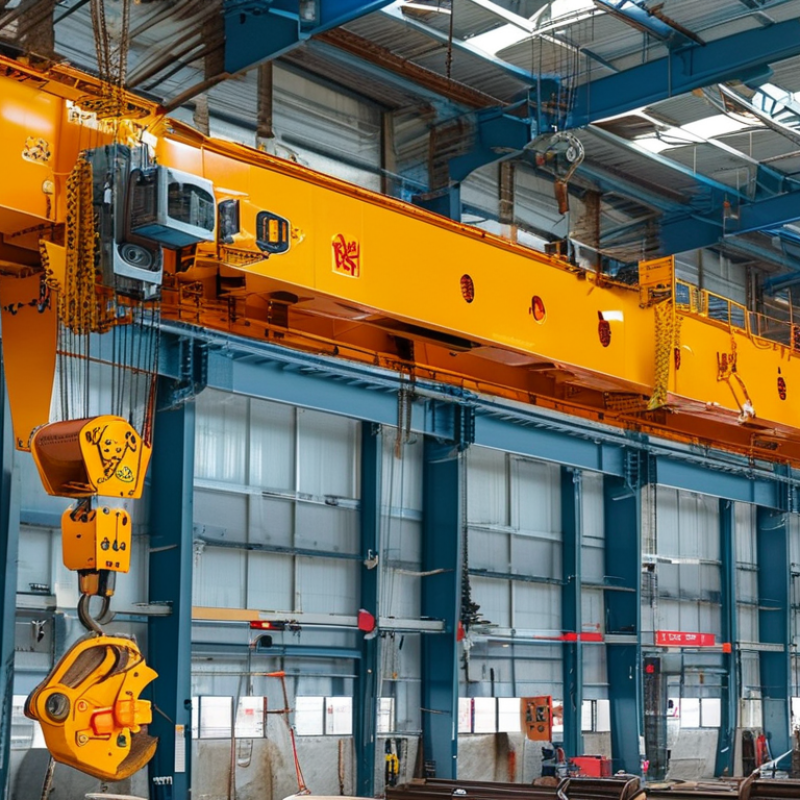
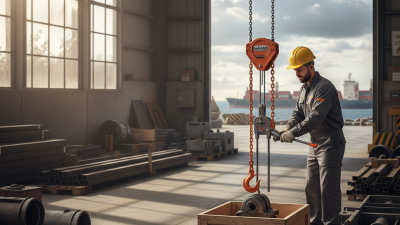
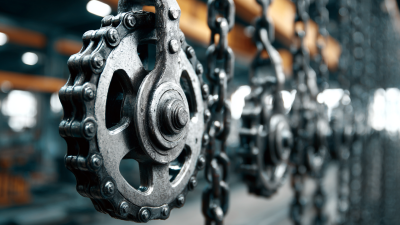
A chain fall hoist is a manually operated lifting device that raises loads through a hand chain. It uses geared wheels, load chain, hooks, and a braking mechanism. The operator pulls the hand chain, while the load chain moves slowly and steadily. This simple design works without electricity, making it useful in workshops, warehouses, construction areas, and maintenance rooms.
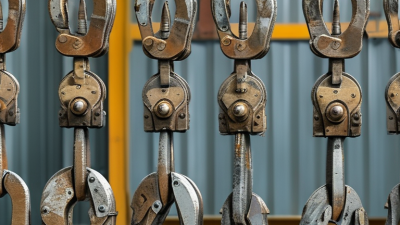
Chain fall hoists are suitable for positioning motors, pipes, steel parts, and machinery during installation. They also help workers lift loads where power is unavailable. However, lifting capacity is only one selection factor. Buyers should check rated load, lifting height, chain strength, hook design, brake reliability, and corrosion protection. A swivel top hook can improve alignment, while a bottom hook with a safety latch reduces accidental release. Compact models fit narrow spaces, but their hand-chain length may become inconvenient overhead.
During practical inspections, operators should examine stretched links, damaged hooks, unusual brake movement, and twisted chains. The load must remain centered beneath the hoist. Side pulling is a common mistake and can damage internal parts. Some product descriptions sound convincing, yet actual performance depends on testing, maintenance, and operator training. A careful buyer should request clear specifications, inspection records, and replacement-part information from potential manufacturers. Small details matter. Even a smooth-looking hoist may need closer checking before regular use.
How China’s Top Chain Fall Hoist Manufacturers Are Selected
Selecting China’s top 10 chain fall hoist manufacturers requires more than comparing catalog prices. Mordor Intelligence estimates the global hoist and crane market will grow from about USD 29.5 billion in 2024 to USD 39.6 billion by 2029. This growth increases supplier choices, but also raises verification risks. We examine lifting capacity, chain quality, brake performance, and factory testing records. A reliable manufacturer should provide batch traceability, rated-load test results, and clear maintenance instructions.
Safety evidence matters.
Our assessment follows practical requirements from ASME B30.21 and EN 13157, where applicable. We check whether each factory controls heat treatment, welding, coating, and final assembly internally. We also review failure rates, spare-parts availability, inspection procedures, and response times after delivery. Grand View Research reports that the broader material-handling equipment market is expanding steadily, driven by warehouses, construction, and manufacturing. Therefore, production scale alone cannot define quality. A smaller factory with consistent testing may outperform a larger exporter.
On-site audits reveal details that brochures hide. Inspectors may check chain elongation, hook deformation, brake holding, and unloaded smoothness. However, rankings remain imperfect. Public data can be incomplete, and one successful sample cannot prove long-term durability. We therefore combine factory visits, third-party certificates, customer feedback, and repeated sample testing. Price receives attention, but it never replaces documented performance, worker training, and dependable after-sales support.
China’s top ten chain fall hoist manufacturers represent different strengths rather than one identical production model. One focuses on heavy industrial lifting, with forged hooks, alloy load chains, and tested mechanical brakes. Another serves workshops, offering compact hoists for maintenance bays and small production lines. Several manufacturers emphasize export-ready designs, clear manuals, traceable parts, and stable packaging for long-distance transport.
The strongest profiles usually show more than attractive catalog photographs. They provide rated-load testing, chain inspection records, and measurable braking performance. Some factories develop corrosion-resistant hoists for coastal warehouses. Others produce low-temperature models for cold storage and northern construction sites. A few support customized lift heights, hand-chain lengths, and hook configurations. Their engineers should explain working limits clearly. Vague promises are not enough.
Experience also separates reliable suppliers from ordinary assemblers.
A mature factory checks gear alignment, brake wear, and chain deformation during production. It may keep spare parts available for years. That matters when a hoist stops during a busy shift. However, even strong manufacturers can leave gaps. Product data may differ between the website and the latest manual. Quality claims can also depend on the selected model, not the entire range. Buyers should review inspection reports, sample units, and after-sales procedures before approval. Small details often reveal the real manufacturing discipline.
When comparing China’s top ten chain fall hoist manufacturers, capacity should be checked against duty class, not viewed alone. Common manual models lift 0.5 to 20 tonnes, while specialized units support higher loads. A 2024 Fortune Business Insights report valued the global material handling equipment market at approximately USD 213 billion in 2023. This growth increases buyer choice, but specifications still need careful verification.
Safety begins with the load chain, brake, hooks, and overload protection. Grade 80 or Grade 100 alloy chains offer stronger wear resistance than ordinary steel chains. Look for proof-load testing, automatic mechanical brakes, hook latches, and clear inspection markings. ASME B30.16 and EN 13157 provide useful reference points for hoist design and operation. Certification matters. ISO 9001 shows quality-system control, while CE or UKCA marking addresses applicable market requirements. These are not identical claims.
Materials reveal practical differences. Heat-treated gears, forged hooks, and sealed bearings usually improve service life in dusty workshops. Powder-coated housings resist surface corrosion, but coating alone does not protect internal parts. Check chain elongation limits and brake holding tests. I would not trust a polished certificate without batch records and a traceable test report. Capacity labels can also mislead when headroom, lifting speed, or duty cycles are ignored. A hands-on inspection remains necessary, even when the product table looks complete.
Choosing among China’s top 10 chain fall hoist manufacturers requires more than comparing online rankings. A reliable supplier should explain rated capacity, lifting height, chain grade, brake design, and test procedures clearly. Ask for factory records, material traceability, and recent load-test reports. A serious manufacturer can provide drawings and inspection data without hesitation. Visit the facility when possible. Check machining areas, assembly lines, painting quality, and finished hoists waiting for dispatch.
Tips: Request a sample before placing a large order. Test the hand chain, brake response, hook latch, and lifting smoothness. Confirm spare parts availability and warranty terms in writing. Check whether the supplier follows recognized quality systems and applicable safety standards. Do not trust unusually low prices.
Communication also reveals operational reliability. Ask how technical changes are approved and how defects are handled. Clear answers matter. A capable engineering team should review your working environment, load frequency, temperature, and installation limits. Product photos can look excellent, yet hidden issues may remain inside the brake or gear housing. Independent inspection is worth considering. No supplier is perfect; even a strong factory may occasionally miss a detail. That is why documented correction procedures matter. Choose a manufacturer that accepts questions, supports inspection, and keeps specifications consistent from quotation to delivery.
Copyright ©2024 Elephant Lifting Products | All rights reserved.
38381 N Robert Wilson Rd, Gonzales, LA 70737 USA
Toll Free: (888) 844-6113 | Phone: (225) 644-6113 | Fax: (225) 644-6695
Email: sale@floralift.org