
Choosing an Fm Radio Transmitter Kit for 2026 means looking beyond a product photo or a long feature list. Buyers need to know what comes in the box, how the unit connects to an audio source, and whether its controls are easy to use. A clear display, stable power connection, and accessible instructions can matter more than flashy extras. Small details count.
This guide compares kit features that affect everyday setup and use, including supported inputs, frequency adjustment, antenna connections, build quality, and included accessories. It also considers who each option may suit, from hobbyists assembling a simple audio project to users seeking a ready-to-connect device. The right choice depends on the intended use and the environment; a transmitter that works well in one room may behave differently around walls or electronic equipment. Results can vary.
We will distinguish useful specifications from claims that are difficult to verify and point out questions buyers should ask before purchasing. Check the manufacturer’s documentation, power requirements, and local rules for permitted operation. A product listing alone may not answer everything. No kit is perfect. Understanding its limits helps set realistic expectations, avoid unnecessary features, and choose a model that is practical, clearly documented, and appropriate for its intended setting.
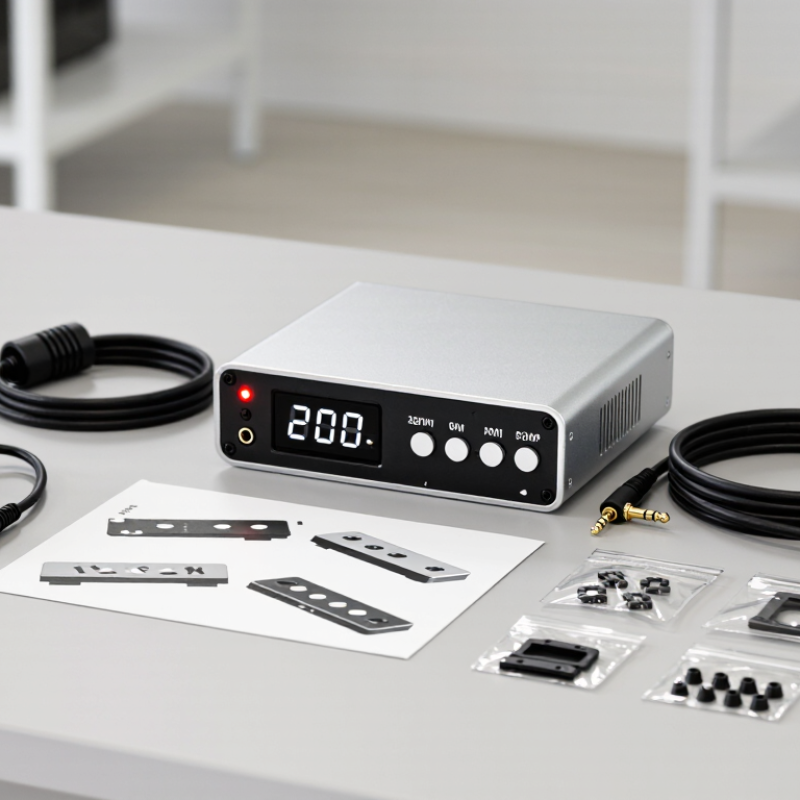
An FM radio transmitter kit converts an audio signal into a radio-frequency signal that a nearby FM receiver can pick up. Most kits include a circuit board, an audio input, tuning controls, and a power connection. Some also provide a small antenna. The circuit modulates a carrier wave with the audio, then sends it through the antenna. In plain terms, sound becomes a signal a radio can receive.
Assembly details vary. A soldering iron, steady hands, and careful reading may be needed. After connecting an audio source, users typically tune the transmitter and a nearby radio to the same frequency. Listen for clear sound and unwanted hiss. Small adjustments matter. A loose wire or poorly placed antenna can weaken reception, even across one room. Keep the setup modest and use only frequencies and power levels permitted where you live.
A kit is not automatically plug-and-play. Instructions may make tuning sound simpler than it feels at the bench; interference from nearby electronics can complicate testing. Check the kit’s specifications, power requirements, and antenna guidance before switching it on. Also check local radio rules, since permitted use differs by location. Test in an appropriate setting, and avoid transmitting beyond what regulations allow.
When comparing FM radio transmitter kits for 2026, inspect the components, not just the advertised range. A stable oscillator helps keep the signal on its assigned frequency as the unit warms up. Check whether the circuit includes filtering, since unwanted output can interfere with nearby services. Look for a clearly specified output level and instructions for setting it safely. Small details matter.
Review the audio input, antenna connector, power supply requirements, and enclosure before buying. A metal case can help shield circuitry, while ventilation helps manage heat during longer sessions. Check the manual for tuning steps, test points, and troubleshooting guidance; vague instructions make setup harder. A kit that includes an antenna may still need careful matching for reliable performance. Confirm that its frequency, power, and intended use comply with local radio rules, and operate only where permitted. A low-cost kit may omit useful parts, so compare the full parts list with your workspace and skill level. I would not assume that a neat circuit board guarantees a clean signal; measurement and careful adjustment still matter.
FM broadcast frequency allocations vary by country. Check that a kit’s tuning range covers the frequencies permitted where you plan to use it.
The chart compares commonly used FM broadcast ranges in the United States, Europe, and Japan. Before buying, check a kit’s frequency coverage, output-power controls, antenna connection, and local licensing requirements. Regional allocations can change; verify current rules with your national regulator.
Compare Fm Transmitter Kits by measurable performance, not advertised coverage. Nielsen’s Audio Today 2024 report estimates that radio reaches about 92% of U.S. adults weekly, making dependable reception a practical benchmark—not proof that any kit performs well. Check frequency stability, adjustable output, stereo separation, and harmonic filtering. Ask whether specifications include test conditions; “clear sound” alone tells you little. Small details matter.
Inspect the board layout, heat sink, antenna connector, and power supply before buying. A warm case after a short test may signal poor thermal design. Look for clear setup instructions and stated measurement methods, then compare the same specifications across kits. For U.S. Part 15 devices, FCC rule 47 CFR §15.239 sets a field-strength limit of 250 microvolts per meter at three meters in the 88–108 MHz band; requirements differ elsewhere. Treat that figure as a compliance check, not a performance target. I would not rank a kit by range claims alone: rooms, buildings, and antenna placement can change reception noticeably. Some listings omit these conditions. That makes comparison less certain.
| Kit Type | Best Suited For | Frequency-Band Check | Audio Connections to Compare | RF and Antenna Checks | Range Considerations | Before You Buy |
|---|---|---|---|---|---|---|
| Basic low-power mono kit | Simple voice announcements, demonstrations, or a small personal audio project. | Confirm the tuning range matches the regulations and radio band in your country. FM broadcast allocations are not identical worldwide. | Check whether the kit accepts the source you plan to use, such as line-level audio or a microphone input. | Confirm the specified antenna connection and impedance, if provided. Do not assume every kit uses the same antenna connector. | Coverage depends on the transmitter, antenna, installation, receiver, and local radio conditions; a stated distance is not guaranteed. | Look for clear frequency-tuning instructions, power details, and compliance information for your jurisdiction. |
| Stereo audio kit | Music or other audio where left-right stereo separation is useful. | Verify that the kit operates within a locally permitted FM broadcast frequency range. | Check for left and right audio inputs and confirm the supported input level and connector type. | Review antenna requirements and whether the design supports the intended installation. | Stereo reception can be more sensitive to weak or noisy signals than mono reception. | Confirm stereo encoding is supported end-to-end; a stereo source alone does not make a transmitter stereo-capable. |
| Frequency-adjustable kit | Users who need to select a clear channel within an allowed band. | Check the tuning range, tuning increments, and whether the selectable frequencies are lawful where the kit will be used. | Compare the available audio inputs with the intended source and any required adapters. | Check the documented output, antenna interface, and setup instructions rather than relying on advertised range alone. | Changing frequency can help avoid interference, but it does not increase the transmitter’s lawful power or guarantee coverage. | Prefer a kit with clear tuning controls and documentation explaining how to avoid interference with existing stations. |
| Assembly or educational kit | Learning about radio-frequency circuits, soldering, and basic transmitter operation. | Check the operating frequency and whether adjustment requires component changes or test equipment. | Review the supported input circuit and whether a separate audio source or preamplifier is required. | Look for a circuit diagram, parts list, assembly instructions, and antenna guidance. | Expect performance to depend on assembly quality, component tolerances, antenna setup, and the test environment. | Check whether tools, enclosure, power supply, and test equipment are included or must be purchased separately. |
| Enclosed plug-and-play kit | Buyers who prefer a completed unit with fewer assembly steps. | Confirm the supported band and whether the unit can be tuned to a suitable local frequency. | Check the listed audio connectors, supported source devices, and any included cables. | Confirm whether an antenna is built in, supplied, or required separately, and follow the unit’s installation guidance. | Actual usable coverage varies with the legal operating conditions, building materials, antenna placement, and receiver sensitivity. | Review the manual, power-supply requirements, safety information, and applicable regulatory statements. |
Comparison note: These are general kit categories, not specifications for particular products. Frequency, permitted output, and operating rules vary by country and use case. Check current local regulations before transmitting; greater stated power does not automatically mean better or lawful coverage.
Choosing an FM transmitter kit starts with the place and purpose of use. A kit’s advertised range is not a promise. Buildings, hills, antenna placement, and nearby signals can all change coverage. A modest setup may work across a clear yard but struggle through thick walls. Check the stated output, antenna connection, and cooling requirements before buying. More power is not automatically better; operate only on frequencies and at power levels you are authorized to use.
Think about audio, too. A quiet room can reveal hiss or hum that a busy workshop masks. Look for clearly stated audio inputs, level controls, and distortion figures, then test with the source you plan to connect. Keep cables tidy and use a stable power supply. Tiny details matter. Range testing should happen only in an authorized setting, with suitable equipment and permission where needed. I find coverage estimates frustratingly optimistic sometimes; even careful comparisons cannot predict every location. Leave room in your budget for an appropriate antenna and basic measurement tools, rather than choosing a kit by its wattage alone.
Choosing an FM transmitter kit for 2026 starts with local rules, not advertised range. Licensing requirements differ by country, and some regions require authorization even for low-power broadcasts. Check your communications regulator’s current guidance before buying, building, or switching on a transmitter. Rules change.
Confirm which frequencies are permitted, the maximum allowed output, and whether antenna limits apply. Do not assume an “open” frequency is automatically legal; nearby stations and protected services may share the band. A spectrum scan can reveal activity, but it cannot replace official frequency allocations or licensing advice. Keep records of your chosen frequency, equipment settings, and any required permission.
For safe operation, use a stable power supply, inspect cables for damaged insulation, and keep the unit dry. Place the antenna away from people, metal objects, and sensitive electronics, following the kit’s safety instructions. Start at the lowest permitted power and check reception in several nearby locations. If interference appears, stop transmitting and investigate instead of increasing power. That takes patience. I find frequency planning less tidy than diagrams suggest; real rooms and buildings can change reception. Documented checks and advice from a qualified radio professional can make testing safer and more reliable.
Copyright ©2024 Elephant Lifting Products | All rights reserved.
38381 N Robert Wilson Rd, Gonzales, LA 70737 USA
Toll Free: (888) 844-6113 | Phone: (225) 644-6113 | Fax: (225) 644-6695
Email: sale@floralift.org