
Choosing among the top Triple Eccentric butterfly valve suppliers in China takes more than comparing prices. These valves are used where tight shutoff, high temperatures, or demanding pressure conditions make dependable performance important. A well-made design can reduce seat wear through its operating cycle. Details matter: body material, disc construction, seat type, pressure rating, and actuator compatibility should match the actual service conditions.
Supplier claims are a starting point, not proof. Ask for current product data sheets, material traceability documents, inspection records, and references for comparable applications. Check whether the supplier can explain its testing process and provide clear answers about manufacturing tolerances and delivery schedules. A factory visit or independent inspection may offer useful confirmation, especially for large or critical orders. Still, documents alone cannot show how responsive a supplier will be when a problem appears.
This guide looks at Chinese suppliers through practical buying criteria, including product range, manufacturing capability, quality controls, and export support. It also considers how to compare quotations without treating the lowest bid as the best value. Not every supplier publishes the same level of detail, and available evidence can be uneven. That makes ranking imperfect. Buyers should verify specifications directly and assess each valve against the conditions it must handle, rather than relying on a broad reputation or polished catalogue.
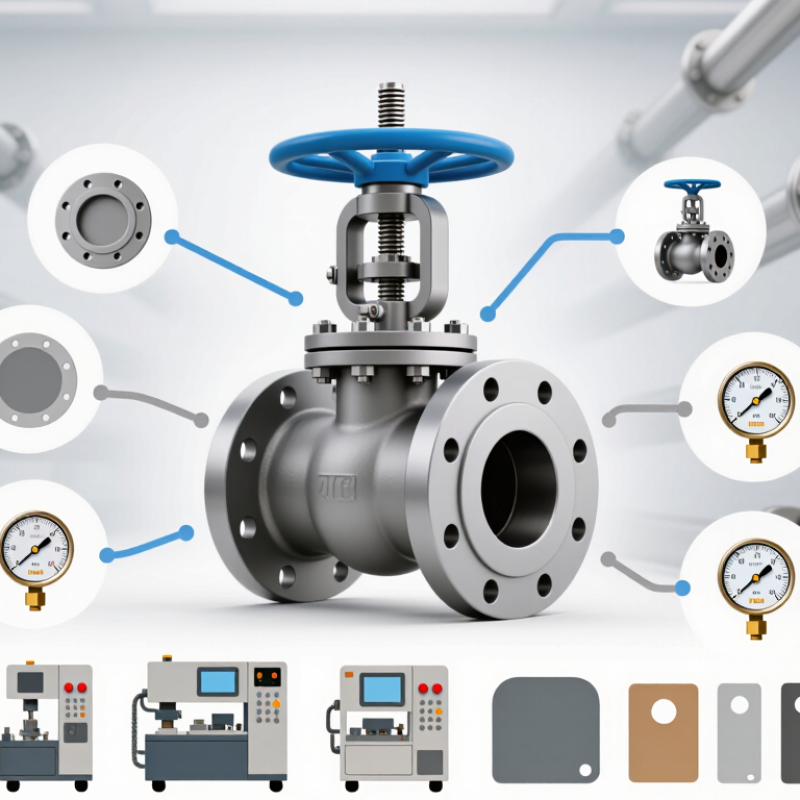
Triple-offset butterfly valves use three distinct geometric shifts: the shaft sits behind the disc’s sealing plane, moves off the pipe centerline, and works with a conical seat geometry. Together, these offsets create a cam-like action. The disc contacts the seat mainly during final closure, then lifts away as it opens. Less rubbing matters. It can reduce wear, but only when machining accuracy and assembly tolerances are controlled. A small misalignment can disturb the sealing path.
When comparing suppliers in China, ask for dimensional inspection records, material traceability, torque curves, and pressure-test results for the specified valve size and pressure class. ISO 5208:2015 defines Rate A as no visually detectable leakage during the test; this is a test criterion, not a guarantee of field performance. Request the actual test medium, pressure, duration, and acceptance class. A polished brochure proves little. In practice, seat materials, temperature changes, and installation conditions also affect sealing. The geometry is clever, not magic.

Comparing Chinese suppliers means looking beyond catalog size. Check whether the factory casts or sources valve bodies, machines sealing surfaces, and assembles units in-house. Ask to see machining and pressure-test records. A well-equipped workshop may control tolerances more consistently, but factory scope alone does not prove dependable performance.
Materials should match the service conditions. WCB bodies may suit many general industrial applications, while stainless steel or duplex grades can be considered for corrosive media. Confirm the disc, shaft, seat, and coating materials separately; “stainless steel valve” is not a complete specification. Export markets also offer useful clues. Suppliers serving varied regions may understand different documentation and packing needs, but market reach is not a substitute for verified references. A catalog can still mislead.
Tips: Request a material certificate, dimensional drawing, and recent test report for the same valve model. Check export packing details, too. Compare actual production scope, not only quoted price. If a supplier’s answers are vague, pause and ask again; this step is easy to overlook.
For buyers comparing triple-eccentric butterfly valve suppliers in China, standards provide a practical screening baseline. World Steel Association’s World Steel in Figures 2025 reports 1,882.6 million tonnes of crude steel production in 2024. That scale reflects demanding process applications. API 609 covers butterfly-valve design and testing, while ASME B16.34 addresses construction and pressure-temperature ratings. They answer different questions.
ISO 5208 specifies pressure-test procedures and leakage-rate acceptance criteria. Ask suppliers for test records linked to valve serial numbers, not certificates alone. Check materials, pressure class, test medium, duration, and allowable leakage against your purchase specification. Confirm the API 609 category and end connections suit the pipeline. Standards references alone cannot prove suitability. I would double-check the datasheet; small mismatches are easy to miss.
Tips: Request a nameplate photo, material traceability documents, and shell and seat-test reports. Match each report to the ordered size and pressure class. Small details matter.
Supplier qualification and standards comparison. This table is a practical evaluation framework, not a ranked list or a claim about any specific supplier.
| Evaluation area | Relevant standard or requirement | What to verify with the supplier | Useful evidence to request |
|---|---|---|---|
| Butterfly valve design | API 609 | Confirm the offered valve’s design, face-to-face dimensions, pressure class, end connections, and applicable API 609 edition match the purchase specification. | Product datasheet, dimensional drawing, design-standard declaration, and nameplate or marking details. |
| Pressure and leakage testing | ISO 5208; applicable purchase specification | Check the specified test type, test pressure, duration, medium, and acceptance criteria. ISO 5208 covers pressure testing of metallic valves and defines leakage rates; the required rate should be stated in the order. | Sample or project-specific pressure-test report identifying the valve, test procedure, results, and acceptance criteria. |
| Pressure-temperature rating and construction | ASME B16.34, where specified and applicable | Verify the valve’s applicable pressure-temperature rating, material group, end connection, and design conditions against the project requirements. Do not assume the standard applies unless the valve is specified accordingly. | Rating information, material specifications, drawings, and a written statement identifying the applicable standard and edition. |
| Triple-offset design details | Project design specification and applicable valve standard | Review the offset geometry, disc-and-seat arrangement, sealing direction, operating torque, and suitability for the specified service and cycle requirements. | Cross-sectional drawing, design description, torque data, and service limitations. |
| Materials and traceability | Purchase specification and applicable material standards | Match body, disc, shaft, seat, and other pressure-retaining or wetted-part materials to the specified service. Confirm heat or batch traceability where required. | Bill of materials, material test certificates when required, and traceability records linked to the valve serial number or production lot. |
| Quality and inspection controls | Contract quality plan; applicable certification requirements | Assess whether inspection and test activities cover incoming materials, machining, assembly, final testing, nonconformities, and record retention. Check certificate scope and validity where certification is required. | Quality-system certificate, inspection and test plan, sample inspection records, and calibration records for relevant test equipment. |
| Actuation and interface | Project actuator and piping-interface requirements | Confirm actuator type, required operating torque, mounting interface, fail position if applicable, and compatibility with the control system and operating conditions. | Actuator sizing calculations, interface drawing, wiring or pneumatic diagram as applicable, and operating instructions. |
| Documentation and delivery scope | Purchase order and project documentation requirements | Agree the required document list, language, review schedule, preservation method, spare-parts scope, and delivery terms before order placement. | Document index, approved drawings, operation and maintenance manual, packing details, and delivery schedule. |
Note: Confirm the applicable standard editions and project-specific acceptance criteria in the purchase documents. A supplier’s statement of compliance should be checked against the actual valve design, scope, and test records.
Top Triple Eccentric Butterfly Valve Suppliers in China?
Supplier Evaluation: Check ISO 9001, Pressure Tests, and Traceability
When evaluating a triple eccentric butterfly valve supplier, check whether its ISO 9001 certificate is current and covers the actual manufacturing site. A certificate alone does not prove that every valve meets your requirements. Ask for pressure-test procedures and recent, matching test records. Look for the valve size, pressure class, test medium, duration, and recorded result. Details matter.
Tips: Request a sample traceability pack before placing an order. It should connect the valve’s serial number to material certificates, inspection records, and test results. Ask how the supplier identifies components after machining. Small details matter.
Compare the documents with a finished valve, not just a sales presentation. Check that nameplate data matches the test report and that material markings remain readable. If possible, arrange a factory visit or third-party inspection for a sample order. Polished paperwork can be reassuring, but it is easy to overvalue it. A missing record may be an honest gap, yet the supplier should explain how it will be resolved and prevent a repeat. After-sales access to records also matters, especially when a valve needs maintenance years later.
A triple eccentric butterfly valve should be selected against the real pressure and temperature range, not just the highest figures on a catalog page. Pressure ratings often decrease as temperature rises, and the exact limits depend on the body, disc, shaft, and seat materials. Check the manufacturer’s pressure-temperature chart for the proposed configuration. Include start-up peaks, pressure surges, and any vacuum conditions in the review. Small details matter. The process fluid also affects material choice; a seat suitable for hot steam may not suit a corrosive chemical. Temperature changes can be easy to underestimate.
When comparing suppliers in China, request test records and a rating chart tied to the quoted materials and valve size. Confirm the allowable differential pressure, leakage performance, and operating torque at service conditions. These figures help determine whether the actuator can operate the valve reliably. Ask how the design handles repeated thermal cycles, not only steady operation. A catalog maximum is not enough. I would treat it as a starting point, not proof; the final selection still needs review against the actual line data. Check twice. A short gap in the operating data can lead to a confident, but unsuitable, choice.
Reference pressure ratings at 100°F (38°C) for ASTM A216 Grade WCB steel, material group 1.1, based on ASME B16.34: Class 150 is 285 psi, Class 300 is 740 psi, and Class 600 is 1,480 psi. These are class ratings, not a substitute for checking the selected valve’s certified pressure–temperature limits. Confirm material, operating temperature, pressure, and applicable standards with the supplier.
Copyright ©2024 Elephant Lifting Products | All rights reserved.
38381 N Robert Wilson Rd, Gonzales, LA 70737 USA
Toll Free: (888) 844-6113 | Phone: (225) 644-6113 | Fax: (225) 644-6695
Email: sale@floralift.org