
Language:

Toyota Camry Mirror 7 Tips for Global Buyers?

Buying a Toyota Camry Mirror across borders sounds simple until trim levels, model years, and regional specifications create confusion. A mirror for a 2018 Camry may not fit a 2021 model, even when both listings use similar photographs. Small details matter. Door connectors, mounting points, heating elements, power-folding motors, and blind-spot sensors can differ significantly.

This guide presents seven practical tips for global buyers who want a safer, more informed purchase. It explains how to confirm the vehicle’s year, generation, driving side, and exact trim before ordering. It also considers left-hand-drive and right-hand-drive markets, since mirror placement and adjustment controls may vary. Check the part number carefully. Ask for clear photos of the plug, housing, glass, and mounting bracket. A reputable seller should answer specific questions and provide honest compatibility information, not vague promises.

Shipping deserves attention too. A mirror can arrive with a cracked glass panel or scratched painted cover after a long journey. Strong packaging helps. So does photographing the parcel before opening it. However, no checklist removes every risk. Product listings can contain errors, and buyers may overlook minor differences under time pressure. I have found that careful verification is slower, but usually cheaper than returning a bulky international part. These tips are useful, not perfect. Always compare the listing with your vehicle and consult a qualified technician when electronic features are involved.
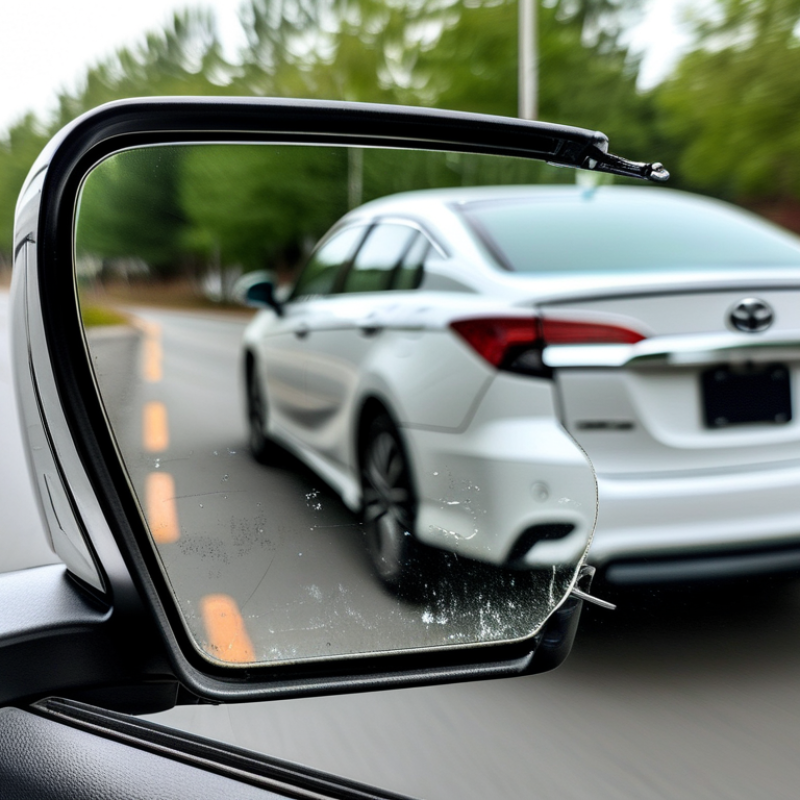
Toyota Camry Mirror 7 Tips for Global Buyers?

Understanding Toyota Camry Mirror Types and Model Compatibility

Choosing a replacement mirror for a Camry requires more than matching the body shape. Mirror designs can change between model years, trim levels, and regional specifications. Common types include manual folding, power-adjustable, heated, auto-dimming, and signal-equipped mirrors. Some versions also include blind-spot sensors or camera housings. Check the original mirror carefully. A small connector difference can make a visually identical part unusable.

Compatibility depends on several details. Record the production year, body style, driving side, and equipment package. A left-hand-drive mirror may not suit a right-hand-drive vehicle because viewing angles differ. Compare mounting studs, wiring pins, glass shape, and control functions. The vehicle identification number can help confirm the factory configuration. However, it should not replace a physical inspection. Parts catalog descriptions are sometimes incomplete.

In workshop checks, I compare the old mirror beside the proposed replacement before installation. This reveals hidden differences quickly. Test every function after fitting, especially heating, folding, and warning indicators. Sensor-equipped mirrors may require electronic calibration after replacement. I once trusted a trim description and received the wrong connector. That mistake cost extra time. Measure twice. Use the exact model code when possible. A cheaper mirror is not always a reliable choice if its glass quality, housing strength, or wiring accuracy is uncertain.


Checking Regional Specifications Before Buying a Camry Mirror

Camry Mirror: 7 Tips for Global Buyers

Checking regional specifications matters more than matching the vehicle’s year. A mirror designed for left-hand traffic may offer a different viewing angle from one designed for right-hand traffic. Compare the original mirror’s shape, mounting points, glass markings, and adjustment direction. Small differences can affect the driver’s blind spot. Measure carefully.

Check the connector before ordering. Some regional versions use different pin layouts for heating, power adjustment, folding, indicators, or camera functions. Count the pins and compare their positions, not only the plug’s appearance. A mirror with a camera may also require calibration after installation. Without calibration, distance lines can look misleading. That detail is easy to miss.

Confirm whether the mirror includes the complete assembly or only the glass and cover. Heated glass is useful in cold, wet regions, while automatic folding may suit narrow parking spaces. Verify the steering side, model year, trim level, and door wiring. I once trusted a product photo and overlooked a different mounting bracket. It fit poorly. That mistake showed me that seller measurements should support, not replace, the vehicle’s original data. Ask for clear photos of the rear connector, mounting plate, and glass markings. Keep the old unit until the replacement is tested for adjustment, visibility, heating, and warning-light behavior.

Comparing Manual, Power, Heated, and Folding Mirror Features

Choosing a replacement exterior mirror requires more than matching the vehicle’s model year. I have inspected mirrors in hot cities, coastal areas, and freezing regions, and small feature differences mattered. Manual mirrors use a simple adjustment mechanism. They usually cost less and can be dependable when wiring repairs are difficult. However, drivers may need to reach across the cabin or adjust the glass by hand.

Power mirrors offer button-controlled positioning, which helps when several people share one vehicle. Check whether the motor moves smoothly without clicking or hesitation. A heated mirror is valuable in cold or humid climates. Its heating element clears light frost, mist, and water droplets from the glass. It does not replace careful cleaning. Folding mirrors protect the housing in narrow parking spaces. Manual folding is cheaper, while electric folding adds convenience but also adds motors and possible failure points.

Fitment deserves close attention. Compare the connector shape, mounting holes, glass size, and mirror cover before ordering. Some mirrors include blind-spot indicators or temperature sensors, while basic versions do not. I once assumed a matching housing guaranteed compatibility. That assumption was wrong. The plug fitted, but the heating function remained inactive. Ask for confirmed feature compatibility, not just visual similarity. In dusty areas, test the hinge for stiffness. In icy regions, avoid forcing a frozen folding mechanism. Small checks prevent expensive disappointment.

Toyota Camry Mirror: 7 Tips for Global Buyers — Comparing Manual, Power, Heated, and Folding Mirror Features
Comparison Dimension Manual Mirror Power-Adjustable Mirror Heated Mirror Power-Folding Mirror
Adjustment Method Glass position is changed by hand using an interior lever or by manually moving the mirror housing, depending on the design. An electric actuator adjusts the mirror glass from an interior switch. Electric adjustment is normally combined with a power-adjustment switch. Electric motors adjust the glass and fold the mirror housing inward.
Electrical Connection Usually not required; some versions may still include wiring for other functions. Required for the adjustment motor and control switch. Required for the heating element and associated control circuit. Required for both adjustment and folding motors.
Cold-Weather Performance Provides no active snow or ice removal. Manual cleaning may be needed before driving. Provides no direct heating function unless a separate heater is installed. Helps clear light frost, condensation, and moisture from the mirror surface; performance depends on outside temperature and operating time. Folding action does not remove frost or condensation unless a separate heating element is included.
Parking and Tight-Space Use The housing must be folded by hand. This can reduce the risk of contact in narrow spaces when done correctly. The glass can be positioned conveniently, but the housing generally remains fixed. Similar parking clearance to the base mirror because heating does not change the housing width. Useful in narrow parking spaces because the housing can fold inward, subject to available clearance.
Typical User Convenience Basic and reliable, but requires reaching toward the mirror for each adjustment. Convenient for drivers who frequently change seating positions or share the vehicle. Convenient in rainy, humid, snowy, or cold climates where mirror visibility can deteriorate. Convenient for frequent street parking, automated car washes, and areas with limited side clearance.
Maintenance Considerations Fewer electrical components generally mean fewer electrical failure points. Check the switch, wiring, connector, and adjustment motor if movement becomes slow or stops. Inspect the heater circuit, fuse, wiring, and glass element if demisting performance is reduced. Inspect the folding motor, gears, hinge area, wiring, and position control if the mirror folds unevenly.
Installation Complexity Usually the simplest configuration when the replacement mirror matches the original mounting points. Requires compatible wiring, a suitable switch, and correct actuator connections. Requires a compatible heated glass element and wiring connected to the vehicle’s approved control circuit. Normally the most complex option because it may require additional wiring, control logic, and a compatible door harness.
Compatibility Checks for Global Buyers Verify left-hand-drive or right-hand-drive configuration, mounting shape, glass size, and connector design. Verify the number and layout of electrical pins, switch compatibility, mirror position, and vehicle production year. Verify heater wiring, glass shape, connector polarity, defogger control method, and climate suitability. Verify folding direction, motor connector, door control module compatibility, mirror dimensions, and regional specification.
Visibility and Safety Note Correct positioning is essential; manually set the mirror to minimize blind spots before driving. Allows adjustment from the driver’s seat, which can help maintain an appropriate viewing angle. Improves visibility only when the heating element is correctly powered; it does not replace proper mirror adjustment. Must be fully unfolded and correctly positioned before driving. A folded mirror should not be used for normal road travel.
Best Climate or Use Case Dry climates, simple vehicle configurations, and buyers prioritizing low electrical complexity. Shared vehicles, frequent seat-position changes, and drivers who prefer in-cabin adjustment. Cold, wet, humid, or snowy regions where moisture and light frost commonly affect side-mirror visibility. Urban parking, narrow garages, crowded streets, and buyers who regularly need additional side clearance.
Buyer Tip Choose a direct-fit replacement and compare the mounting plate, glass profile, and adjustment method before ordering. Do not assume a manual mirror can become power-adjustable without compatible wiring and controls. Confirm that the vehicle has the correct heater circuit; heated glass alone may not provide a complete working system. Confirm that the vehicle supports powered folding; universal folding mirrors may not synchronize with the original controls.

Verifying Safety Standards, Fitment, and Installation Requirements

A replacement side mirror must match more than the vehicle’s shape. Check the exact model year, door configuration, steering position, and mirror control system. A part that looks correct may still use different connectors or mounting points. I once trusted a product photo and missed a heated-glass requirement. That mistake caused extra delivery time.

Ask the seller for documented safety testing and regional compliance information. Requirements can differ between markets, especially for glass markings, reflective areas, blind-zone features, and electrical components. Do not rely on vague phrases such as “universal fit.” Request clear photos of the plug, mounting studs, adjustment mechanism, and mirror surface. Compare these details with your original part before ordering. Keep the evidence.

Installation also deserves careful attention. Disconnect the vehicle battery when the service instructions require it. Protect the painted door with masking tape and support the mirror while removing fasteners. Tighten bolts evenly, but avoid forcing them. Test adjustment, folding, heating, turn signals, and camera functions before driving. A qualified technician should handle calibration when sensors or cameras are involved. I sometimes recheck the connector twice, because one loose pin can create an intermittent fault. The process feels simple, but small differences matter.

Evaluating Seller Reliability, Warranty Coverage, and Shipping Costs

Vehicle Mirror Buying Guide for Global Buyers

A replacement mirror can look correct online and still fail during installation. I once ordered one from a polished marketplace listing, but the folding connector was different. That mistake taught me to verify the exact model year, door side, plug design, and mounting points before payment. Request clear photos of the rear connector and base plate. Compare them with your original part.

Seller reliability deserves more attention than a low price. Check how long the store has operated, whether reviews include installation photos, and whether the seller answers technical questions directly. Ask for a written invoice with the part number and condition stated. Vague replies are warning signs. A trustworthy seller should explain whether the mirror is new, refurbished, or removed from another vehicle. Independent vehicle-part databases can also help confirm compatibility, although they are not always perfect.

Read the warranty before ordering. Confirm coverage for defective motors, heating elements, glass damage, and loose housings. Some policies exclude damage caused during fitting. Others require video evidence within 48 hours. Shipping may cost more than the mirror because of its fragile shape. Request a complete quote covering packaging, tracking, insurance, taxes, and possible return shipping. A heavy cardboard box with corner protection matters. I still think sellers should display these costs earlier; buyers should not have to discover them at checkout.

Toyota Camry Mirror: 7 Tips for Global Buyers

Compare indicative international shipping costs before evaluating seller reliability, warranty coverage, and total landed cost.

Buyer checklist: confirm the exact model year and mirror configuration, request fitment evidence, verify seller feedback and contact details, review warranty duration, check the return window, compare tracked shipping options, and calculate import taxes or handling fees. The cost figures are practical planning ranges in USD; actual prices depend on package size, destination, service level, and customs rules.
Member of

Associated Wire Rope FabricatorsMHI MemberNetPlus Alliance Member Steel Erectors Assocation STADFA member

Terms of Sale | Privacy Policy