What Are the Top Types of One Phase Transformers?
A One Phase Transformer quietly supports many systems, from household panels to control cabinets and small industrial machines. Its job sounds simple: transfer electrical energy between circuits while changing voltage. Real selection is less simple. Core size, winding arrangement, insulation, cooling, efficiency, and installation space all influence the result.
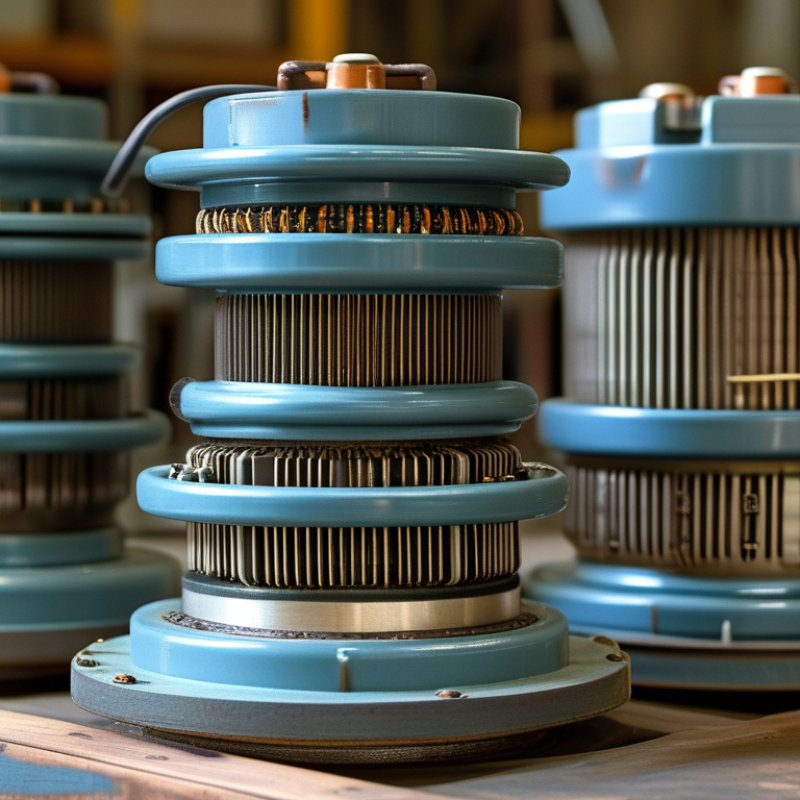
John J. Winders Jr., a respected power-engineering author, wrote, “A transformer is simple in principle, but demanding in application.” That observation remains useful when comparing the top types of One Phase Transformer. Conventional core-type models place windings around separate core limbs and offer familiar maintenance practices. Shell-type designs surround the windings with the magnetic core, improving mechanical support in some applications. Toroidal transformers use a circular core, often reducing noise, leakage flux, and physical size. They can be excellent choices for audio equipment and compact power supplies.
Other categories deserve attention. Isolation transformers improve circuit separation and can support safer testing arrangements. Autotransformers are smaller and efficient, but they do not provide full electrical isolation. Distribution transformers must withstand daily loading, heat, weather, and imperfect maintenance. These differences matter at the workbench, where a warm enclosure or audible hum can reveal a poor match.
The categories overlap.
There is no universal winner. A designer must verify voltage, frequency, load behavior, short-circuit conditions, and applicable safety standards. Product data should come from traceable manufacturers, not assumptions. Even experienced engineers can overlook inrush current. That is why this guide compares each type through practical performance, limitations, and real installation conditions.
One-Phase Transformers: Definition, Purpose, and Operating Principles
A one-phase transformer transfers electrical energy between circuits through electromagnetic induction. It uses two windings around a magnetic core: the primary receives alternating current, while the secondary delivers a changed voltage. There is no direct electrical connection between these windings in a standard transformer. Instead, alternating current creates a changing magnetic field, which induces voltage in the secondary winding. Simple, but not effortless.
The main types include step-down, step-up, isolation, and autotransformers. A step-down transformer may supply a lower voltage for control systems, lighting, or household equipment. A step-up design raises voltage for selected distribution applications. An isolation transformer keeps the output electrically separated from the input, improving protection and reducing unwanted noise. An autotransformer uses a shared winding, so it can be smaller, though it provides less isolation. Core losses, winding resistance, heat, and load changes affect real performance. The ideal calculation is never the whole story.
Tips: Check the rated voltage, frequency, power capacity, and enclosure before installation. Leave ventilation space around the unit. A warm surface may be normal, but a burning smell or unusual humming needs immediate inspection. I would also verify connections with a qualified technician, because a small wiring mistake can damage equipment or create shock hazards. Local electrical requirements should guide selection and testing.
Core Components and Electrical Characteristics of One-Phase Transformers
What Are the Top Types of One Phase Transformers?
One-phase transformers transfer alternating-current energy between circuits through electromagnetic induction. Common types include step-down, step-up, isolation, and autotransformers. A step-down unit lowers voltage for control equipment and household loads. A step-up unit raises voltage for selected distribution applications. An isolation transformer keeps primary and secondary windings electrically separate. An autotransformer uses one shared winding, making it smaller, but it provides less isolation.
The laminated iron core guides magnetic flux and reduces eddy-current losses. Primary and secondary windings contain insulated copper or aluminum conductors. Insulation separates turns and prevents internal breakdown. Dry-type designs often use air for cooling, while larger units may use liquid cooling. The turns ratio controls voltage conversion. Current changes in the opposite direction, while frequency remains unchanged. Efficiency depends on winding resistance, core losses, load level, and cooling. Voltage regulation also matters because output voltage can fall under load. No design is perfect. Even a correct calculation can miss heat, noise, or starting-current effects.
Tips: Check rated voltage, frequency, power, and connection diagrams before installation. Leave space around ventilation openings. Measure output voltage under realistic load conditions. Inspect terminals for loose connections and unusual heating. An isolation transformer may improve safety, but it does not replace proper grounding or protective devices.
How to Select a One-Phase Transformer for Different Applications
What Are the Top Types of One Phase Transformers?
Selecting a one-phase transformer starts with the load, not the catalogue. Step-down transformers suit control panels, lighting, and household equipment. Step-up units serve specialized testing and power-distribution tasks. Isolation transformers separate circuits and can reduce electrical noise. Autotransformers are smaller and efficient, but they do not provide galvanic isolation. Control transformers handle repeated coil energizing and motor-starting currents. Dry-type designs fit clean indoor spaces, while enclosed units better tolerate dust and moisture.
Check the nameplate carefully. Match primary and secondary voltage, frequency, phase, and apparent power in volt-amperes. A practical sizing method adds the running load, then allows starting inrush and future expansion. Motors, solenoids, and LED drivers may demand several times their normal current briefly. That detail is often missed. Measure the actual load when possible, especially in older facilities. An attractive efficiency figure can still disappoint under light-load operation.
Thermal conditions deserve equal attention. A transformer installed near a furnace needs more derating than one in a ventilated electrical room. Consider insulation class, enclosure rating, sound level, regulation, and harmonic heating. The U.S. Department of Energy’s 2016 Distribution Transformers Technical Support Document projected 3.63 quadrillion British thermal units in energy savings over thirty years from stronger efficiency standards. The IEA Electricity 2024 report forecasts global electricity demand growth of about 3.4% annually through 2026. These findings support efficient selection, but they do not replace site measurements. A small safety margin helps. An oversized transformer may waste energy and increase purchase costs.
Safety, Efficiency, and Maintenance Considerations
What Are the Top Types of One Phase Transformers?
Single-phase transformers include step-up, step-down, isolation, autotransformer, and control transformers. Each type serves a different electrical purpose. Step-down units reduce voltage for safer equipment operation. Isolation transformers separate circuits and can reduce shock risks during maintenance. However, they do not replace grounding, protective devices, or safe work procedures. Autotransformers can be efficient and compact, but they provide less electrical separation. Choosing the wrong type may create overheating, unstable voltage, or unnecessary hazards.
Safety depends on correct installation, load sizing, ventilation, and routine inspection. A qualified technician should verify terminals, insulation, grounding, and protective clearances. Loose connections often produce heat before visible damage appears. Infrared checks can reveal hot spots under normal loads. Efficiency improves when the transformer operates near its rated capacity, without continuous overload. Maintenance records should include temperature readings, unusual noise, dust buildup, and vibration. Small details matter.
Tips: Keep ventilation openings clear. Inspect connections when power is isolated. Listen for new humming sounds. Clean dust carefully and avoid damaging insulation. Test output voltage regularly, but do not rely on one reading. Seasonal loads can change performance. A maintenance plan may look complete, yet missed records or rushed inspections can still hide developing faults. Recheck assumptions.
What Are the Top Types of One Phase Transformers?
Safety, efficiency, and maintenance considerations for common single-phase transformer designs
Dry-Type
Uses air or solid insulation instead of liquid. It reduces liquid-leak and fire risks, but requires clear ventilation paths and regular dust removal.
Oil-Immersed
Provides effective insulation and cooling for outdoor or higher-capacity installations. Inspection should include fluid condition, seals, bushings, and leaks.
Toroidal and Control
Toroidal units are compact and typically have low leakage flux. Control transformers are designed for reliable low-power control circuits and should be protected against overloads.
The chart shows commonly reported full-load efficiency ranges for general low-voltage single-phase transformer designs. Actual performance varies with rating, input voltage, frequency, load level, temperature, insulation system, and manufacturer design. Always verify the nameplate and applicable electrical standards before selection.