Why Should Buyers Choose Quality Shredder Parts?
A shredder can look dependable right up to the moment a worn part slows production. A damaged rotor component, blunt blade, or poorly fitted screen may affect material flow, machine vibration, and finished output. Small differences matter. Shredder Parts are not interchangeable in quality, even when two items appear similar on a workbench. Their material, fit, and manufacturing consistency can influence service life and equipment performance. Buyers should look beyond the purchase price and consider how a part matches the machine, the material being processed, and the expected workload.
Quality does not mean choosing the most expensive option every time. It means checking specifications, asking about materials and quality controls, and selecting parts suited to real operating conditions. A buyer might compare fitment details, supplier documentation, warranty terms, and access to technical support. These checks can help reduce avoidable replacement work and unplanned downtime. Still, no part lasts forever. Even well-made components wear, and maintenance practices matter. That is easy to overlook. A careful decision starts with clear machine information and honest questions for the supplier. The sections ahead explore these considerations and explain why reliable Shredder Parts can support safer, steadier, and more predictable operation.
What Defines Quality Shredder Parts?
Why Should Buyers Choose Quality Shredder Parts?
What Defines Quality Shredder Parts?
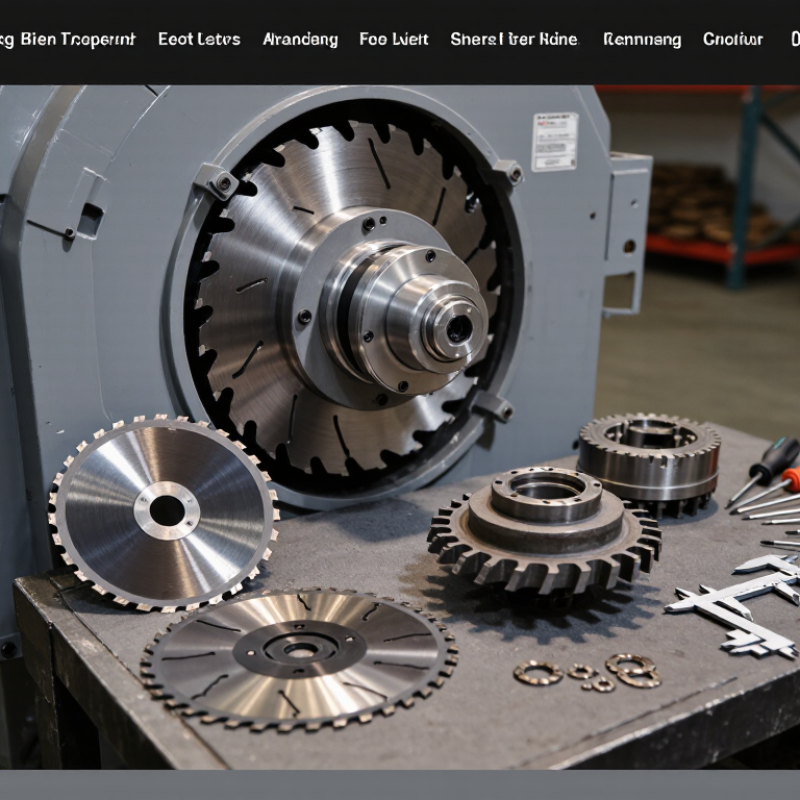
Quality shredder parts help maintain steady cutting performance under repeated impact and abrasion. Their value depends on more than surface hardness. Steel grade, heat treatment, machining accuracy, and fit with the rotor all matter. Uneven teeth or a poorly aligned screen can increase vibration and produce inconsistent output. Ask suppliers for material specifications, dimensional checks, and maintenance guidance. These details make comparisons more useful than appearance alone. In maintenance settings, a precise fit can reduce adjustment time. Small gaps matter.
Tips: Check dimensions against the machine manual, inspect edges for cracks, and confirm material and hardness specifications. Ask how the part was tested. Keep an old component for comparison, but do not assume it shows the correct specification. That assumption can be wrong.
Quality also means predictable wear, not maximum hardness. A blade that is too brittle may chip; one that is too soft may wear quickly. Match the part to the feed material, operating speed, and service conditions. No part is perfect for every application. Review wear records after installation; they can show whether the choice suits your operating conditions.
How Quality Parts Improve Shredding Performance
Quality shredder parts help a machine cut consistently, even when feed material changes during a shift. A sharp, correctly fitted cutter can reduce ragged edges and uneven particle sizes. Operators may also notice smoother feeding and fewer sudden changes in motor load. Small differences matter.
Screens, blades, and fasteners work as a system. If a screen opening is worn or distorted, material may pass through inconsistently. A replacement part with accurate dimensions helps maintain the intended clearance and alignment. That can support steady throughput and reduce avoidable vibration. Check the fit before returning the machine to service.
Performance still depends on more than part quality. Material moisture, feed rate, and maintenance habits all affect results. A high-grade blade will not fix an overloaded chamber. Nor will it stay effective if bolts loosen or cutting edges are ignored. That part is easy to overlook. Track operating hours, inspect wear patterns, and compare output after each change. Records are not perfect; shifts handle different material, so comparisons can be messy. Still, they give technicians useful clues when deciding whether a part is wearing normally or disrupting the cut.
Why Should Buyers Choose Quality Shredder Parts? - How Quality Parts Improve Shredding Performance | Performance Dimension | Quality Parts | Potential Effect of Inconsistent or Poorly Matched Parts |
| Material and heat-treatment consistency | Specified materials and controlled heat treatment can provide more consistent hardness and wear behavior across a part. | Variation in material or heat treatment may cause uneven wear, chipping, or more frequent inspection and replacement. |
| Fit and dimensional accuracy | Parts made to the machine's specified dimensions are more likely to fit correctly and maintain intended clearances. | Poor fit or incorrect clearances can contribute to vibration, uneven loading, or contact between components. |
| Cutting and shredding consistency | Suitable, well-maintained cutters can help produce more consistent processing when the machine is operated within its design limits. | Worn, damaged, or mismatched cutters can reduce cutting effectiveness and lead to less consistent output. |
| Wear life | Parts selected for the material being processed may retain their working profile longer; actual service life depends on feedstock and operating conditions. | Parts that are unsuitable for the feedstock may wear faster and require more frequent replacement. |
| Maintenance and downtime | Reliable fit and predictable wear can make inspections and planned maintenance easier to schedule. | Unexpected damage or premature wear can increase unplanned maintenance and interrupt production. |
| Operating cost | Evaluating purchase price alongside service life, replacement frequency, labor, and downtime gives a more complete cost comparison. | A lower initial price may not mean a lower total cost if the part needs more frequent replacement or causes additional downtime. |
| Results vary with shredder design, feed material, operating settings, maintenance practices, and correct installation. Follow the machine manufacturer's specifications when selecting replacement parts. |
How Durable Components Reduce Downtime and Costs
Shredder downtime often begins with a small failure: a worn bearing, cracked screen, or damaged cutting element. Quality parts are built to handle repeated impact, heat, and abrasive material. That matters. A rotor bearing that holds alignment can reduce vibration and help protect nearby components. The benefit is practical: fewer unplanned stops and less time spent tracing secondary damage.
Durable parts may cost more at purchase, but maintenance teams should compare the full service cycle. Frequent replacements use labor, create setup delays, and can leave a machine idle while a part is sourced. Correct fit is just as important as material strength. A screen with the wrong opening or a poorly matched cutting component can reduce output, even if it appears sturdy. Small parts count. Inspection records, operating conditions, and manufacturer specifications help buyers choose a suitable replacement rather than simply the cheapest one.
No component lasts forever, and a premium part cannot compensate for poor lubrication or neglected inspections. Buyers can also over-specify parts for light-duty use, so the highest price is not always the best value. Checking wear patterns and replacement intervals gives a more honest basis for decisions. It takes discipline. Still, planning replacements before failure can make costs steadier and keep production interruptions shorter.
Why Choose Quality Shredder Parts?
Illustrative annual cost comparison: durable components can reduce replacement frequency and the production losses associated with downtime.
Illustrative model, not industry benchmark: standard parts assume 12 replacements per year and durable parts 4; each replacement causes 6 hours of downtime, valued at $500 per hour. Assumed part cost is $1,500 per replacement for standard parts and $2,500 for durable parts. Actual costs vary by operation.
What Buyers Should Check When Selecting Shredder Parts
Why Should Buyers Choose Quality Shredder Parts?
What Buyers Should Check When Selecting Shredder Parts
Before ordering, match the part to the machine model, shaft position, and operating conditions. Check measurements against the equipment drawing; even a small mismatch can cause uneven contact or installation delays. Ask what alloy or steel grade is used, and whether hardness is documented. Hardness alone is not enough. A part that is too brittle may chip under impact.
Review the heat-treatment process, tolerances, and inspection records. Reliable suppliers should be able to explain how parts are checked and provide traceability for each batch. Compare the expected wear pattern with the material being processed, including its size and moisture. A part suited to clean, dry feed may wear differently in abrasive conditions. That difference matters.
Ask about fit, lead time, and replacement availability before a shutdown makes the choice urgent. If possible, compare a sample with the worn part and inspect edges, holes, and mounting surfaces. A perfect datasheet still cannot predict every feed variation. Keep notes on service hours and wear after installation; those records can improve the next order. Not every decision is obvious. Sometimes the cheapest option looks reasonable until downtime is counted.