Why Choose a Carbon Fiber Production Line Supplier?
Choosing a Carbon fiber production line supplier is a strategic decision, not merely a purchasing task. The right partner influences fiber quality, production stability, energy use, and long-term operating costs. Experienced suppliers understand that a carbon fiber line must perform consistently from precursor preparation through stabilization, carbonization, surface treatment, and winding. Each stage matters.
A reliable supplier should provide measurable engineering evidence. Ask for documented line capacity, temperature-control accuracy, tension stability, energy data, and material compatibility. Factory acceptance testing can reveal problems before installation. Site commissioning is equally important. Skilled technicians should calibrate furnaces, inspect rollers, verify control systems, and train operators with practical procedures. Clear maintenance schedules and spare-parts support also reduce avoidable downtime.
Look beyond impressive brochures. Request references from plants with similar tow sizes, production targets, and quality requirements. Review commissioning records and customer feedback where possible. A professional supplier should explain limitations honestly, including start-up risks, expected waste, and learning curves. No line is perfect. Even experienced teams may need design adjustments after real production begins. That is worth discussing openly.
The strongest partnership includes technical consultation, process optimization, safety awareness, and responsive after-sales service. It should also support traceable quality control, consistent documentation, and responsible resource management. When comparing suppliers, evaluate total value rather than the lowest quotation. A lower initial price may hide costly modifications, weak training, or delayed support. With careful verification, manufacturers can choose a supplier that supports dependable output and future expansion. Reliability is built on evidence.
What Is a Carbon Fiber Production Line Supplier?
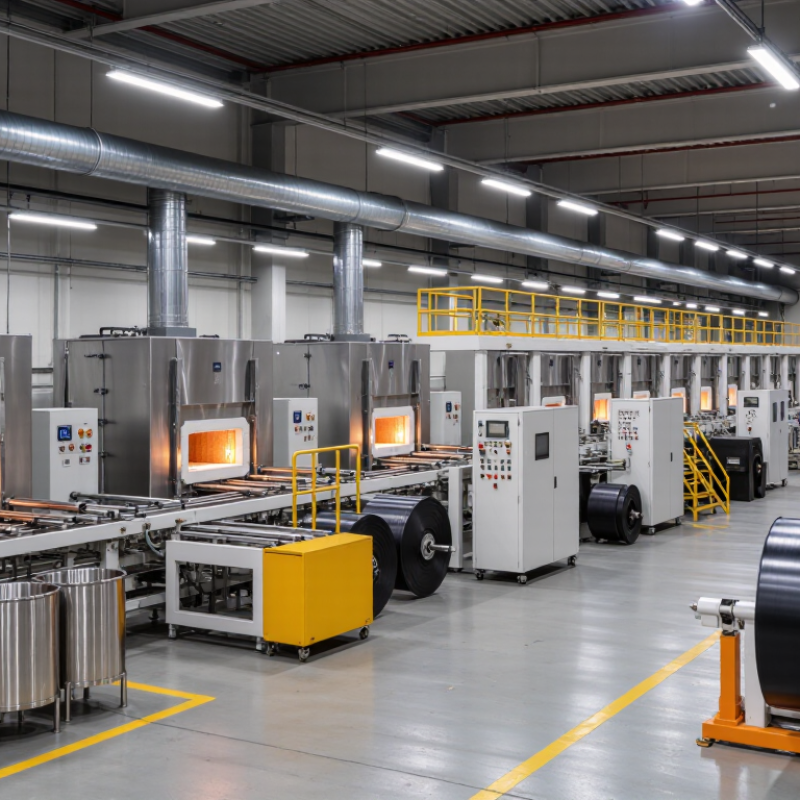
A carbon fiber production line supplier is a technical partner that designs, builds, and supports the equipment used to manufacture carbon fiber. The line may include precursor handling, oxidation ovens, carbonization furnaces, surface treatment, sizing, drying, and winding systems. It is not simply a collection of machines.
An experienced supplier studies the entire process flow. They check fiber tension, temperature uniformity, residence time, energy use, and production speed.
During a factory visit, engineers may inspect furnace insulation, control cabinets, ventilation, and maintenance access. Small details matter. A poorly placed sensor can create unstable quality across many kilometers of fiber.
A reliable supplier also provides process documentation, operator training, commissioning support, and measurable acceptance standards. These standards should cover tensile strength, modulus, sizing content, line speed, and equipment availability. Technical claims need test records, not confident language. No supplier can remove every production risk. Even a well-designed line may require adjustments after real precursor material enters the process. That part is often underestimated. Buyers should ask how problems are recorded, corrected, and verified over time. A supplier’s response to an unexpected temperature drift can reveal more than a polished sales presentation.
Which Technologies and Equipment Does the Supplier Provide?
A carbon fiber production line supplier should provide more than isolated machines. The real value lies in a coordinated process, from precursor preparation to finished tow winding. Experienced suppliers understand how small temperature changes affect tensile strength, modulus, and surface quality.
The equipment package may include oxidation ovens, carbonization furnaces, graphitization units, surface treatment tanks, sizing systems, and precision winders. Each section needs stable tension control. Uneven tension can create broken filaments or irregular packages. Modern lines often use PLC-based control, thermal sensors, exhaust monitoring, and production data recording. These tools help operators trace defects instead of guessing.
A reliable supplier also supports installation, process trials, operator training, and maintenance planning. Pilot testing matters because laboratory results rarely predict every factory condition. Ask for measured energy use, line speed, temperature uniformity, and testing records. Useful tests include tensile strength, elongation, sizing content, and filament appearance.
No line is perfect.
Suppliers may underestimate cleaning time or furnace recovery after shutdowns. That deserves careful discussion. Spare parts, calibration procedures, and emergency operating plans should be clear before purchase. A technically strong supplier will explain both equipment advantages and process limitations, even when the answers are inconvenient.
What Support and Customization Services Should Buyers Expect?
A dependable carbon fiber production line supplier does more than deliver equipment. Buyers should expect a technical review before any quotation. The supplier should examine fiber tow, resin type, target output, floor space, utilities, and curing requirements. This early discussion exposes hidden constraints. It also prevents expensive redesigns. A serious partner provides a process layout, equipment list, energy estimate, and acceptance criteria. These documents make promises measurable.
Customization should be practical, not decorative. A line may need adjustable tension control, modular winding stations, controlled heating zones, or automated resin metering. The supplier should explain why each option matters. For example, stable tension can reduce wrinkles during continuous production. Temperature uniformity supports repeatable curing. Buyers should request sample runs using their own materials. Test data is more useful than polished presentations. This is where gaps often appear.
Support must continue after installation. Expect commissioning, operator training, calibration guidance, safety documentation, spare-parts planning, and responsive remote assistance. A reliable supplier also offers factory acceptance testing and site acceptance testing. Clear response times matter when a heater, sensor, or control module fails. Ask how software updates are managed and how production data is protected. Do not accept vague promises. In reality, no customized line is perfect on its first run. Small adjustments may be needed after observing actual fiber behavior. That uncertainty should be documented, priced fairly, and handled by engineers who stay involved.
How Can Businesses Evaluate and Select the Right Supplier?
Choosing a carbon fiber production line supplier demands more than comparing equipment prices. Demand is growing. The International Energy Agency reported over 17 million electric cars sold worldwide in 2024. Lightweight materials therefore face stronger automotive demand. A capable supplier should explain how its line supports stable quality, energy control, and future capacity.
Ask for measurable evidence, not attractive promises. Review fiber strength, tensile consistency, line speed, energy use, and waste rates. The U.S. Department of Energy states that reducing vehicle weight by 10% can improve fuel economy by 6–8%. This makes process stability commercially important. Request factory acceptance test records, sample certificates, maintenance histories, and customer references from similar production volumes. Check whether the supplier can support precursor preparation, carbonization, surface treatment, and quality inspection. Some suppliers present impressive peak output. Continuous output may be lower. That difference needs honest discussion.
Tips: Build a weighted scorecard before negotiations. Give technical support, spare parts, training, and delivery reliability clear scores. Verify ISO 9001 quality systems and relevant environmental controls. Visit an operating facility if possible. Ask operators about downtime, not only managers. No scorecard is perfect. A cheap line can become expensive through unstable fiber and long repairs. I would also test a pilot batch before signing a full-scale contract. This step costs time, but it exposes hidden process weaknesses.
Why Choose a Carbon Fiber Production Line Supplier?
A reliable supplier should be evaluated across process capability, product quality, energy efficiency, lifecycle service, delivery performance, and total cost. The weighting below provides a practical framework for comparing suppliers without relying on brand names.