Why Choose Self Locking Winding Air Duct?
Choosing a Self‑Locking Winding Air Duct can simplify ductwork where reliable connections and efficient installation matter. Formed from a continuous metal strip, its spiral seam locks the material into a sturdy tube. The smooth, rounded profile can help air move through the system with less turbulence than some sharply edged designs. It also gives installers a practical option for workshops, commercial buildings, and ventilation upgrades.
The advantages are not automatic. A duct’s performance depends on its material, diameter, wall thickness, pressure rating, and the quality of its joints. During installation, check that sections align properly, supports are spaced as specified, and connections are sealed for the system’s operating conditions. Small details matter. Poorly fitted joints can cause leakage, noise, or extra energy use, even when the duct itself is well made. It is also worth comparing transport, cutting, and installation needs with those of alternative duct types. Not every site benefits equally.
This guide explores why buyers consider self-locking winding ducts, how the construction affects everyday use, and which specifications deserve close attention. It also looks at practical limitations, so readers can weigh convenience against project requirements rather than rely on broad claims. A careful choice starts with the airflow target and installation environment. Then comes the product data. Sometimes, the simplest-looking option needs the most checking.
What Is a Self-Locking Winding Air Duct?
Why Choose Self Locking Winding Air Duct?
What Is a Self-Locking Winding Air Duct?
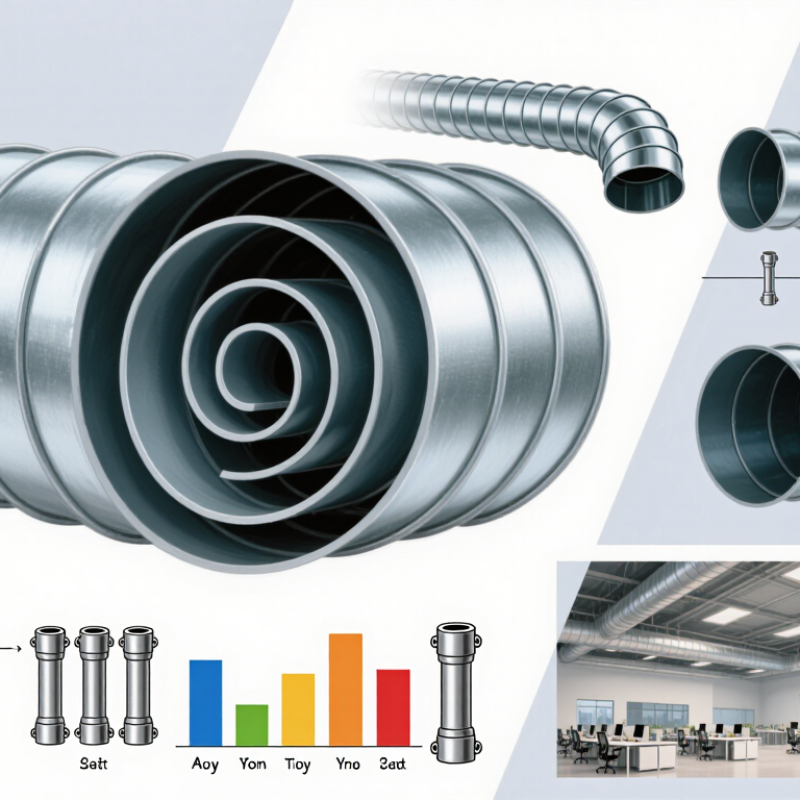
A self-locking winding air duct is made by winding a narrow metal strip into a spiral. The strip’s edges fold together and lock, creating a continuous tube without a long welded seam. This joint helps the duct retain its shape during handling and installation. The round profile can fit neatly above ceilings or along service areas. Material, thickness, and joint design vary by product, so check the specifications before selecting one.
Tips: Match the duct diameter and material to the system design. Support it at suitable intervals, and seal connections where required. Small gaps matter.
The spiral construction can make transport and routing easier than handling some rigid duct sections, especially in spaces with limited access. However, “self-locking” does not mean leak-proof or suitable for every pressure and temperature. Inspect the seam for dents or separation, and follow the product’s installation guidance. In practice, alignment can be fiddly. A duct may look secure while a poorly fitted connection still leaks, a detail that is easy to overlook.
How Its Self-Locking Structure Works
Why Choose Self Locking Winding Air Duct?
How Its Self-Locking Structure Works
A self-locking winding air duct is formed from a long, narrow strip of metal. As the strip is wound into a spiral, its shaped edges fold together and engage along a continuous seam. The interlocking joint helps hold the duct’s round form without relying on separate fasteners at every connection. That seam matters. Its strength comes from consistent forming, not just appearance.
In use, the spiral lock helps the duct resist deformation during handling and airflow. It also provides a continuous joint, but it should not automatically be treated as airtight. Not a seal. Leakage performance depends on the duct design, joint fit, and any specified sealing method. A practical inspection checks for uneven seams, dents, and gaps, especially near cut ends and connections.
Installation details still matter. Measure the route before cutting, support the duct at suitable intervals, and avoid forcing it around tight bends. A crushed section can restrict airflow even when its seam remains locked. The structure is simple, but it is not foolproof; tolerances and workmanship can vary. For critical systems, confirm pressure and leakage requirements against the project specification.
Key Benefits for Airflow and Installation
Self-locking winding air duct is formed from a continuous metal strip, with its edges folded into a spiral seam. That seam holds the tube together without separate fasteners along every section. A secure wall matters. It helps the duct retain its shape during handling and normal operation, when the material and diameter suit the system. In a properly sized run, the round interior supports steady airflow. Poorly aligned joints, sharp bends, or crushed sections can still create turbulence and pressure loss.
The seam cannot fix those problems.
Installation can be simpler because the duct arrives in manageable lengths and connects with compatible fittings. A crew can measure and cut sections on site, then seal the joints to limit leakage. Less fuss. Lightweight sections may be easier to lift into a ceiling space, though long unsupported spans can sag or vibrate. Keep supports close enough for the duct’s size and weight, and avoid squeezing it between framing members. Check airflow needs, pressure, temperature, moisture, and corrosion exposure against product specifications.
One detail is easy to miss: allow access for inspection and cleaning. A quick installation is not always a good one.
Common Applications Across Industries
Self-locking winding air ducts are used where ventilation routes need a formed, durable metal passage. Their spiral-wound strip and interlocking seam help the duct retain its shape during handling and operation. In commercial buildings, they can connect air-handling equipment to branches serving offices, kitchens, and utility rooms. Exact suitability depends on pressure, temperature, airflow, and duct material.
In workshops and production areas, these ducts may carry general exhaust or light process dust when the design allows. A short run above a workbench can keep hoses clear of the floor. They also appear in equipment enclosures, drying systems, and agricultural ventilation, where routes pass around beams or machinery. Clearance matters. Abrasive particles, corrosive vapors, or high heat may call for a different duct construction and carefully selected joints.
Installers value the ability to cut and route sections on site, but a neat spiral seam does not replace proper support. Hangers, bend radius, and sealed connections affect leakage and performance. Teams sometimes focus on duct diameter and overlook access for cleaning. That can make routine maintenance awkward. Checking operating conditions and installation requirements is more reliable than choosing by appearance alone.