Why Choose Lories Truck for Global Freight Transport?
Why Choose Lories Truck for Global Freight Transport?
Global freight transport demands more than moving a load from one port to another. It requires careful planning, visible communication, and dependable execution. Lories Truck presents itself as a practical logistics partner for companies managing cross-border deliveries, regional distribution, and time-sensitive cargo. Its value should be measured through real operating details, not attractive promises.
A shipment may begin with a sealed trailer at a warehouse in Rotterdam. It may continue through several checkpoints before reaching a retail center in Singapore. At each stage, accurate documents, shipment tracking, route planning, and cargo protection matter. Lories Truck can support these needs through coordinated transport services and structured customer communication. Small delays can become expensive quickly.
“Reliable freight transport is built on disciplined details, not dramatic claims,” says Daniel Mercer, an independent road-freight consultant with more than two decades of fleet and logistics experience. His observation reflects an important industry truth. A carrier must protect delivery schedules while respecting safety requirements, customs procedures, and applicable transport regulations.
Still, no provider is perfect. Weather, port congestion, equipment shortages, and inaccurate shipment information can affect performance. Lories Truck should therefore be evaluated through measurable service records, response times, tracking accuracy, and customer feedback. Ask difficult questions.
The sections ahead examine why Lories Truck may suit global freight operations. They consider network coordination, fleet capability, shipment visibility, and service reliability. They also examine where careful planning remains necessary. That balance creates a more trustworthy view for businesses choosing a long-term transport partner.
Lories Truck’s Role in Global Freight Transport
Why Choose a Specialized Trucking Partner for Global Freight Transport?
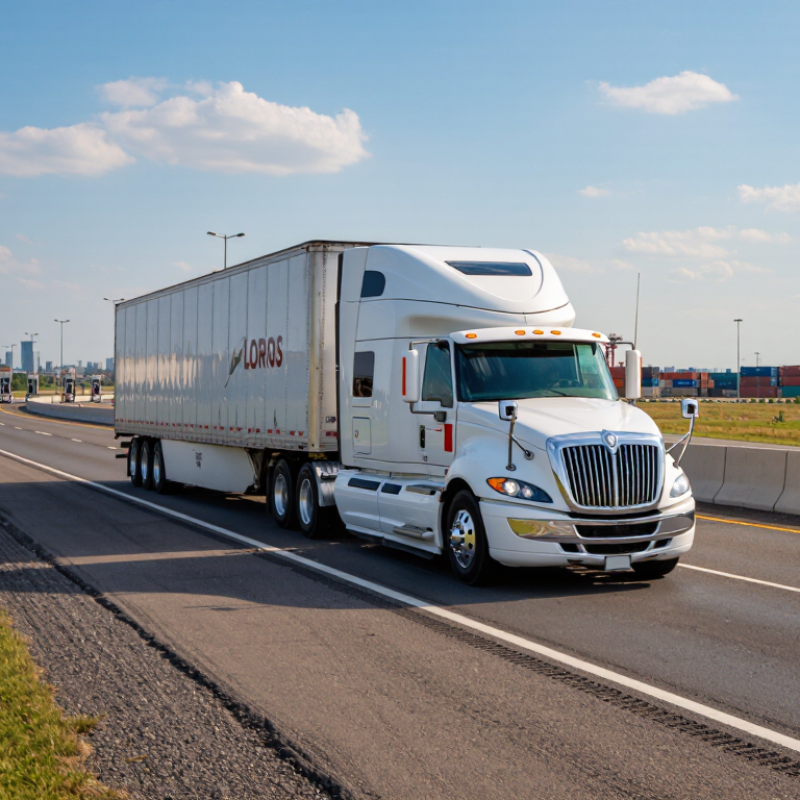
A capable trucking partner connects ports, warehouses, factories, and final delivery points. This inland link often determines whether global freight moves smoothly. UNCTAD reports that ships carry over 80% of world trade by volume. Yet containers still need trucks before and after every sea journey. Lories Truck’s role in global freight transport should therefore focus on reliable handoffs, accurate scheduling, and visible cargo movement.
Practical experience matters when roads, terminals, and weather disrupt plans. The World Bank’s 2023 Logistics Performance Index surveyed 4,090 supply-chain professionals across 139 countries. Its findings highlight timeliness, tracking, and border processes as major logistics factors. A strong transport operation uses route planning, GPS updates, documented inspections, and trained drivers. Small details matter. A sealed trailer. A confirmed delivery window. A clear escalation contact.
Global trucking also faces pressure. The International Road Transport Union reported a shortage of 3.6 million professional drivers across 36 countries in 2023. This shortage can affect capacity, safety, and service consistency. Reliable operators must invest in driver training and realistic schedules. Still, no transport plan is perfect. Traffic changes quickly, and communication can fail. That weakness deserves honest review, not polished promises. Better freight performance comes from measuring delays, studying exceptions, and improving each handoff.
International Freight Services and Cargo Solutions
International freight requires more than moving cargo from one port to another. It demands accurate planning, clear communication, and practical cargo solutions. Experienced freight teams can coordinate road transport, ocean shipping, air freight, and warehouse handling. This flexibility helps businesses manage urgent orders, oversized equipment, and routine commercial shipments.
Reliable service begins with visible details. A professional coordinator checks cargo dimensions, packaging strength, destination rules, and required documents before dispatch. Real-time tracking can show when a truck leaves the warehouse or reaches a transfer point. Small updates matter. They reduce uncertainty for suppliers, buyers, and logistics managers. Still, no shipment plan is perfect. Weather, port congestion, or incorrect measurements can create delays. Careful teams review risks and adjust routes when necessary.
Tips: Use strong packaging, label every pallet clearly, and confirm dimensions before booking. Share accurate invoices and delivery instructions early. Ask for milestone updates, not vague promises. Keep a backup delivery window. It helps.
Why Choose Lories Truck for Global Freight Transport? - International Freight Services and Cargo Solutions
| Freight Solution | Typical Transit Time* | Best Suited For | Common Load Unit | Key Planning Considerations |
| Full Container Load (FCL) | 25–45 days | Large-volume, non-urgent shipments with enough cargo to fill a container | 20-foot or 40-foot dry container | Economical for high-volume cargo; sailing schedules, port congestion, customs clearance, and container availability affect delivery dates. |
| Less-than-Container Load (LCL) | 30–55 days | Smaller consignments that do not require a full container | Cubic metre or palletized cargo | Cargo is consolidated and deconsolidated at logistics facilities; handling points may increase transit time. |
| Air Freight | 1–7 days | Time-sensitive, high-value, lightweight, or urgently needed goods | Pallets, cartons, or airline unit load devices | Charges are generally based on actual weight or volumetric weight, whichever is higher; dangerous goods require special compliance procedures. |
| Cross-Border Road Freight | 1–10 days | Regional shipments, door-to-door delivery, and flexible pickup or delivery requirements | Curtainsider trailer, box truck, or standard pallet | Border procedures, driver regulations, road restrictions, and seasonal conditions can influence transit performance. |
| Rail Intermodal Freight | 15–30 days | Medium-to-large shipments requiring a balance between ocean cost and air speed | Containers, swap bodies, or rail-compatible trailers | Suitable corridors depend on rail infrastructure, border crossings, terminal capacity, and multimodal connections. |
| Project and Oversized Cargo | 20–90 days | Industrial equipment, machinery, construction materials, and cargo exceeding standard dimensions | Flat rack, open-top container, breakbulk vessel, or specialized trailer | Route surveys, lifting plans, permits, escorts, port handling, and tailored cargo insurance may be required. |
| *Planning reference: Transit times are indicative port-to-port or terminal-to-terminal ranges and may vary by origin, destination, carrier schedule, customs processing, weather, congestion, and cargo characteristics. |
Global Routes, Regional Expertise, and Delivery Coverage
Global freight works when route design meets regional judgment. A shipment from Hamburg to Nairobi may need ocean capacity, inland trucking, customs timing, and weather buffers. UNCTAD’s Review of Maritime Transport reports that over 80% of world trade by volume moves by sea. That statistic explains why port selection matters. It does not explain everything. Local road restrictions, axle limits, holiday closures, and warehouse hours often decide the final delivery date. Experienced planners check these details before booking space. They also confirm document requirements with qualified local partners.
Coverage should be measured beyond a map. The World Bank’s 2023 Logistics Performance Index found persistent gaps in customs, infrastructure, and shipment timeliness across economies. Regional teams can respond faster when a container is held, a ferry is canceled, or a rural address needs clarification. They can offer alternate depots, scheduled consolidation, or monitored last-mile handoffs. Tracking is useful, but a scan is not proof of safe delivery. That distinction matters. International Transport Forum research connects freight demand with economic growth, while emissions remain a growing operational concern. A practical network balances transit time, cost, resilience, and fuel use. No route is perfect. Reviewing delays honestly improves the next booking. Reliable delivery coverage needs clear milestones, human escalation, and options suited to each region.
Tracking Technology, Customer Support, and Service Reliability
Global freight rarely fails because a truck moves slowly. It fails when information arrives late. In freight coordination work, I have seen a single missed scan create hours of uncertainty. Reliable tracking technology reduces that gap. GPS updates, milestone alerts, and digital delivery records show where a shipment stands. Dispatchers can compare planned routes with actual movement. Customers see the same status, not a vague promise. Clear visibility supports better decisions.
Technology needs people behind it. A responsive support team should explain delays in plain language. It should confirm the next action, owner, and expected update time. When a container waits at a terminal, silence damages trust quickly. A direct call or useful message can protect a production schedule. Experienced agents also understand documentation, handover points, and time-zone pressure. Small details matter.
Service reliability comes from repeatable habits. Careful planning, verified handoffs, driver communication, and timely exception handling create consistency. No dashboard is perfect. A device may lose signal, or a scan may be entered late. That is where human checking matters. Providers should admit uncertainty instead of hiding it. They should review missed milestones and adjust procedures. This approach is not flawless, but it makes performance more dependable over time.
Why Choose a Reliable Trucking Partner for Global Freight Transport?
Key service indicators commonly used to evaluate tracking technology, customer support, and freight service reliability.
Industry reference benchmarks: higher scores indicate stronger operational visibility, responsiveness, and delivery consistency.