Why Choose Metal Cladding Sheets for Your Project?
Choosing the right exterior material affects durability, appearance, maintenance, and installation costs. Metal Cladding Sheets offer a practical solution for commercial, industrial, and contemporary residential projects. Their clean lines can transform a plain wall into a precise architectural feature.
From site assessments, installers often value their consistent dimensions and manageable weight. These qualities can simplify handling around door openings, roof edges, and service penetrations. The sheets also support varied finishes, including matte coatings, metallic tones, and textured surfaces. However, appearance should never replace performance. Project teams must review substrate conditions, drainage paths, ventilation, and fixing methods before ordering materials.
Metal cladding sheets can resist weather exposure when the selected system suits the local environment. Coastal locations may require stronger corrosion protection. Areas with heavy rainfall need carefully designed joints and flashings. Reputable manufacturers usually provide technical data, coating information, fire classifications, and installation guidance. Independent testing can strengthen confidence, but documents still require careful interpretation. Small details matter.
I have seen attractive facades weakened by rushed detailing. That lesson deserves attention. A reliable specification should consider thermal movement, cleaning access, replacement needs, and long-term colour stability. No cladding system fits every building. Budget pressure may also tempt owners to choose thinner or cheaper products without examining lifecycle costs. A balanced decision compares material quality, installer experience, warranty conditions, and expected maintenance. With thoughtful planning, Metal Cladding Sheets can deliver a durable facade that looks intentional rather than merely inexpensive.
What Are Metal Cladding Sheets?
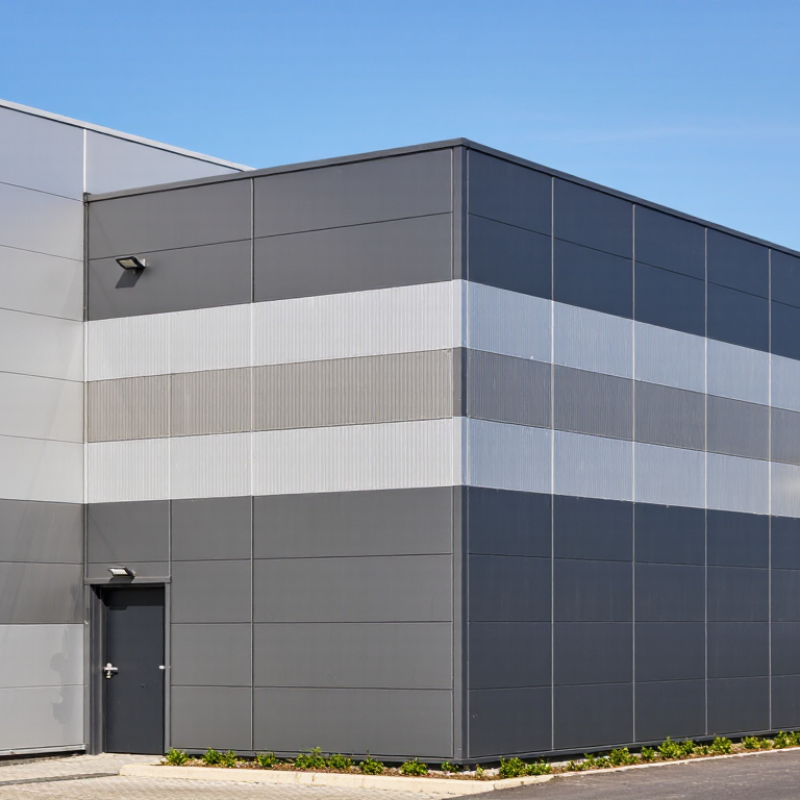
Metal cladding sheets are manufactured panels fixed to a building’s exterior walls or roof. They may use steel, aluminium, zinc, or composite layers. Their main role is to shield the structure from rain, wind, sunlight, and impact. Many systems also support insulation, ventilation, and architectural appearance.
A common system includes the outer sheet, a support frame, insulation, an air cavity, and sealed joints. The cavity matters because trapped moisture can damage insulation and internal surfaces. According to the World Steel Association’s World Steel in Figures 2024, global crude steel production reached about 1.89 billion tonnes in 2023. This scale supports steel’s broad availability, but it does not guarantee good project performance. Correct thickness, coating, fixing design, and drainage remain essential. Metal can look simple. Installation is not.
Tips: Check the substrate before ordering panels. Measure openings, movement joints, and exposure conditions. Follow tested fire and weather details. A small cut edge can become a corrosion point if left unprotected. The 2024 Global Status Report for Buildings and Construction also identifies buildings as major users of energy and material resources, so selecting durable cladding may reduce repeated repairs. Still, “low maintenance” is not “maintenance-free.” Inspect joints, fasteners, coatings, and drainage channels regularly. The best specification balances appearance, service life, local weather, and practical installation skills.
Which Metal Cladding Materials Suit Different Projects?
Choosing a metal cladding material starts with the building’s exposure, not its appearance.
Aluminum suits lightweight façades and renovation work because it reduces structural demand. It resists corrosion well, but soft panels can dent during installation. That trade-off matters near busy walkways. Copper develops a changing patina and can make civic or heritage projects feel established. Runoff may stain adjacent stone, however, so detailing needs careful review.
Nice color is not enough.
Steel offers high rigidity for industrial buildings, warehouses, and tall façades.
Galvanized or coated steel can handle demanding conditions when edges and fixings remain protected. A scratched coating may become a maintenance problem sooner than expected. Stainless steel performs well in coastal or humid locations, although its cost and reflective surface require early approval.
In practice, I would inspect sample panels outdoors, not only under showroom lighting. Small differences become obvious after rain.
For curved forms, aluminum or thin steel systems are usually easier to fabricate than heavier sheets.
In high-wind areas, select tested assemblies with suitable subframes, joints, and drainage paths. Material choice must follow fire requirements, thermal movement, cleaning access, and local codes. I have seen attractive specifications fail because fasteners were chosen too late.
That mistake is avoidable.
A qualified façade engineer should verify loads, corrosion compatibility, and installation details before procurement. Leave room for doubt; site conditions often challenge the original drawing.
What Factors Should Guide Your Cladding Sheet Selection?
Why Choose Metal Cladding Sheets for Your Project?
Selecting cladding sheets requires more than comparing colors and prices. In site assessments, I have seen attractive panels fail when the environment was ignored. Coastal buildings need strong corrosion resistance against salt and constant moisture. Industrial walls may require better impact protection and easier cleaning.
Check the substrate before choosing the sheet. Uneven walls can create stress around fasteners and visible panel distortion. Consider the panel thickness, coating system, thermal movement, and drainage design. Fire performance also matters, especially near kitchens, workshops, and public areas. Local building requirements should guide the final specification. A qualified installer can verify joint spacing and fixing methods. These details often decide long-term reliability.
Tips: Request physical samples, not only digital images. Place them outdoors for several days. Observe glare, color changes, and surface marks. Ask for tested performance data and maintenance instructions. Calculate the full service cost, including cleaning and replacement risks. I once trusted a low-cost sample too quickly; the installation later needed extra supports. That experience changed my approach. No option is perfect. Recheck assumptions before approving the order.
How Are Metal Cladding Sheets Installed and Maintained?
Metal cladding sheets offer a clean, durable exterior with relatively low maintenance demands. Their light weight can also reduce pressure on supporting structures. However, performance depends heavily on correct installation, not appearance alone.
Installation begins with a dry, sound substrate and a properly detailed weather barrier. Installers should check wall alignment before fixing the sheets. Uneven framing can create visible waves across the facade. A ventilated cavity behind the cladding helps release trapped moisture. Flashings must guide water away from windows, corners, and wall bases. Fasteners should suit the sheet material and supporting structure. They must be tight, but not over-tightened. Thermal movement needs room to occur, especially on long elevations. Joints, trims, and penetrations require compatible sealants and careful detailing. Follow local building codes and the sheet manufacturer’s technical guidance.
Small mistakes matter. A rushed cut can expose the metal edge and invite corrosion. I have seen attractive facades fail because drainage paths were blocked. That detail deserves more attention. After installation, inspect the cladding twice a year, especially after severe weather. Remove dirt with clean water and mild detergent. Avoid abrasive pads and harsh chemicals that can damage protective coatings. Check joints, fasteners, flashings, and lower edges for staining, looseness, or rust. Repair scratches promptly with an approved coating system. Keep gutters and nearby vegetation clear. Maintenance records, photographs, and dated inspection notes make future decisions more reliable.
Why Choose Metal Cladding Sheets?
Metal cladding combines long service life with efficient installation and manageable maintenance. The chart presents indicative exterior-service-life values for commonly used cladding metals.
Typical service life depends on sheet thickness, coating quality, exposure, drainage, installation detailing, and local climate. Routine inspections should check joints, fasteners, sealants, coating damage, and corrosion-prone areas.