A warehouse can look spacious and still waste valuable time. Pickers may walk long aisles, cartons can sit out of reach, and replenishment may interrupt active work. Shelf Racking offers a practical way to organize smaller items, hand-picked stock, and clearly labeled bins. Its value, however, depends on the operation—not on how tidy the layout looks in a photograph.
Facilities-planning expert James A. Tompkins is known for his work on warehouse and distribution design. Rather than invent a direct quotation, here is a paraphrase of a principle associated with that work: “Plan storage around the movement of goods, not around the rack alone.” That distinction matters. A rack may fit the room yet create awkward travel paths or obstruct access to frequently handled products. Measure aisle widths, check load requirements, and consider how staff will replenish each shelf. Small details count. A label hidden behind a support beam is not useful.
This guide explores why businesses choose Shelf Racking, where it performs well, and what to assess before installation. It also considers access, organization, flexibility, and safe use. The right setup can make stock easier to find and daily tasks more predictable. Still, no storage system solves every problem. Product sizes change; picking patterns shift. A layout that works today may need revision later. That is worth admitting before investing.
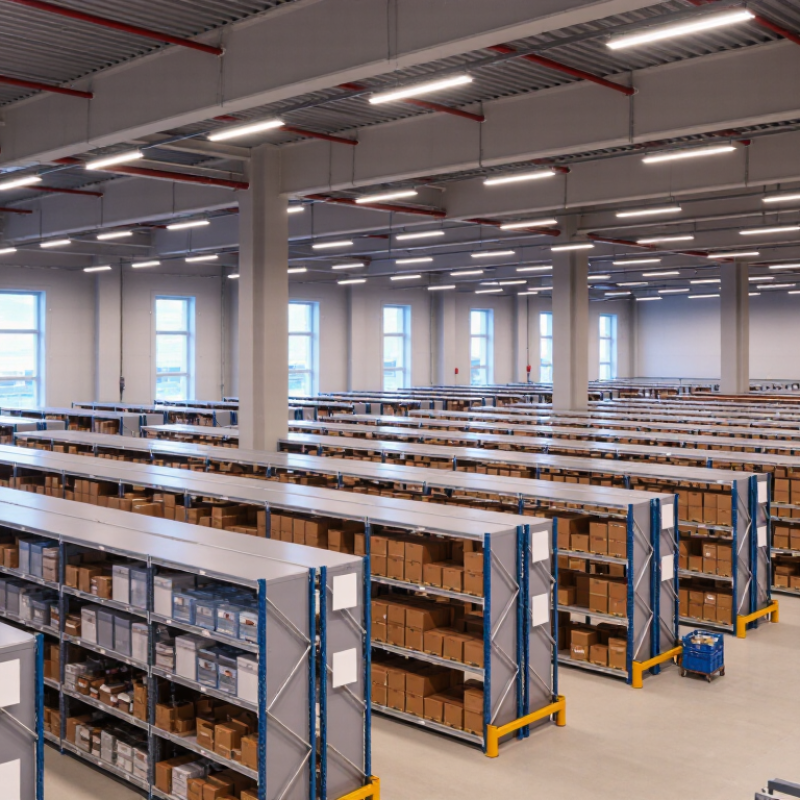
Shelf racking is a storage system made from upright frames and horizontal shelves. Workers place cartons, bins, tools, or small parts directly on the shelves, usually by hand. Unlike systems designed mainly for forklift-loaded pallets, it keeps individual items easy to reach and identify.
It works through a simple frame: uprights carry the load, while beams or shelf supports hold each level in place. Shelves may be adjusted to fit changing stock, but every configuration has a rated capacity. A box of fasteners and a heavy machine part should not be treated as equal loads. Keep heavier items low, distribute weight evenly, and follow the rack’s load information. Check for bent supports or loose connections during routine inspections. Small defects matter.
In practice, shelf height should match the items being stored, with enough clearance to remove boxes without scraping knuckles or crushing labels. Clear aisle space also helps staff carry goods safely and count inventory accurately. Measure the largest cartons, not just the average ones. That detail is easy to miss. A tightly packed layout can look efficient on a plan, yet become awkward during a busy shift. Revisit the arrangement when stock sizes or picking habits change; the first layout may not be the best one.
Why Choose Shelf Racking for Your Warehouse?
Main Types of Shelf Racking Systems
Warehouse shelf racking keeps cartons, tools, and small inventory visible and accessible. The right system depends on item size, picking frequency, and available floor space. A shelf that looks roomy when empty may feel cramped once bins and labels are added. Measure twice.
Boltless shelving suits lighter goods, such as spare parts or hand-packed orders. Its shelves adjust without complicated assembly, making it useful when product sizes change. Longspan shelving supports bulkier items, including boxed appliances or workshop supplies. Check each level’s rated capacity; unevenly loaded shelves can create problems.
Mobile shelving runs on floor tracks, allowing units to move and open an aisle where needed. It can increase storage density, but access is slower when several people need different bays. Carton-flow shelving uses inclined rollers so cartons move forward as stock is picked. Small parts fit well. It works best with consistent carton sizes and a steady replenishment routine. There is no perfect layout. A warehouse team may need to revise its first plan after testing real picking routes, aisle widths, and daily stock movement.
| System Type | Typical Configuration | Common Load Range | Access and Space Use | Best Suited For | Key Considerations |
|---|---|---|---|---|---|
| Bolted or Boltless Shelving | Adjustable shelves on upright frames; assembled with bolts or interlocking clips. | Often about 100–500 lb (45–225 kg) per shelf, depending on the design and load distribution. | Direct access to each shelf; typically arranged in single or back-to-back rows. | Hand-picked cartons, small parts, tools, and general inventory. | Check the rated capacity for each shelf and frame. Evenly distribute loads and secure units where required. |
| Longspan Shelving | Wide shelf levels supported by beams between upright frames; often configured without a front-center support. | Commonly about 500–2,000 lb (225–900 kg) per level, subject to beam length and specification. | Open access from the aisle; accommodates wider or bulkier items than standard light-duty shelving. | Large cartons, components, and medium-weight stock picked by hand. | Longer spans can reduce load capacity. Confirm beam ratings and avoid concentrated loads unless the system is designed for them. |
| Mobile Shelving | Shelving units mounted on movable bases that travel along floor rails or a guided system. | Varies by shelving unit; capacity is based on the specified shelves, frames, and mobile base. | Units move to create an access aisle, reducing the number of permanent aisles needed. | Archives, records, spare parts, and other inventory where storage density is a priority. | Requires a suitable floor and careful planning for access, operating controls, safety features, and emergency egress. |
| Cantilever Racking | Upright columns with projecting arms; shelves or decking may be added where appropriate. | Arm and column capacities vary considerably with arm length, spacing, and load position. | Open-front design supports long items and allows access along the rack face. | Timber, pipes, tubes, furniture, and other long or awkwardly shaped goods. | Loads must be placed and restrained according to the system design. Verify arm and column ratings for the intended item lengths. |
| Carton Flow Shelving | Inclined roller or wheel tracks move cartons from a replenishment side toward a picking face. | Depends on the track, shelf structure, carton size, and weight; systems are configured for specific loads. | Supports first-in, first-out flow and separates replenishment from order picking. | Fast-moving cartons, order-picking operations, and repeat-pick items. | Cartons need compatible bases and weights for reliable movement. Test representative cartons and plan replenishment access. |
| Pallet Racking with Shelf Decking | Upright frames and horizontal beams, with wire mesh or solid decking added to create shelf-like levels. | Beam capacity is specified for each configuration; it depends on span, beam type, and load arrangement. | Provides adjustable storage levels and can be accessed by forklift or, in some layouts, by hand. | Palletized stock, large containers, and mixed warehouse inventory. | Design for the pallet dimensions, handling equipment, floor conditions, and applicable local safety requirements. |
Note: Load ranges are general examples, not engineering ratings. Actual capacity depends on the rack design, materials, dimensions, installation, and load distribution. Always follow the manufacturer’s specifications and applicable local requirements.
Shelf racking supports daily warehouse work by keeping cartons, tools, and small parts visible and reachable. A picker can read a location label, take a carton, and return to the aisle without moving a pallet. That matters when orders contain many small items. Adjustable shelf heights also let teams fit storage to changing product sizes, rather than leaving awkward gaps or stacking boxes on the floor.
Access is only useful when aisles stay clear and loads suit the shelves. The U.S. Bureau of Labor Statistics reported 4.8 recordable injury and illness cases per 100 full-time workers in warehousing and storage in 2023. That figure does not prove shelving prevents injuries. It does underline why clear sightlines, stable loads, and reachable stock deserve attention. MHI’s 2024 Annual Industry Report, produced with Deloitte, found 55% of surveyed supply-chain leaders planned to increase technology investment. Shelf locations with consistent labels can support accurate scanning and inventory records as operations digitize. Still, shelves are not magic. Poor labels, crowded pick faces, or neglected inspections can undo their benefits. A practical layout starts with real pick paths, product weights, and replenishment frequency, then gets reviewed as those conditions change.
Why Choose Shelf Racking for Your Warehouse?
Factors to Consider When Choosing Shelf Racking
Choosing shelf racking begins with the items it must hold. Measure product dimensions, including cartons, bins, and any handles that extend beyond them. Check the required load per shelf and per unit against documented capacity ratings. Do not estimate by appearance. A shelf that looks sturdy may still be unsuitable for concentrated or uneven loads. Consider how often staff need each item, too. Fast-moving stock usually needs easy access, while slower-moving goods may fit higher or less convenient positions.
Warehouse conditions matter. Measure clear ceiling height, aisle widths, doorways, and the space needed for picking equipment. Leave room for safe movement and future stock changes. Dust, moisture, and temperature shifts may also affect materials and maintenance needs. It is easy to focus on storage density and overlook daily access; that can make a neat layout frustrating to use. Review floor condition and anchoring requirements with a qualified racking professional, especially when loads are heavy. Capacity labels and regular inspections help, but they cannot fix a poor layout. Plans change. Choose a system that can be adjusted, and check that proposed changes stay within its rated limits.
Consider the footprint of the goods you store when planning shelf depth and bay width. These common pallet formats provide a practical reference point.
The Euro pallet measures 1200 × 800 mm (0.96 m²). A common North American pallet measures 48 × 40 in (about 1219 × 1016 mm, or 1.239 m²). Confirm the actual dimensions of your loads and allow suitable clearance before selecting shelf dimensions.
Planning, Installing, and Maintaining a Shelf Racking System
A reliable shelf-racking system starts with the items it must hold. Measure product dimensions, loaded shelf weights, picking frequency, and available floor space before choosing bay sizes. Leave enough clearance for people and handling equipment. A neat layout on paper can still fail when cartons overhang or replenishment blocks a busy aisle. That detail is easy to miss.
During installation, follow the rack supplier’s load ratings and assembly instructions, and anchor units where the design requires it. Check that shelves sit level and connections are secure before loading.
The U.S. Bureau of Labor Statistics reported 4.4 recordable injury cases per 100 full-time workers in transportation and warehousing in 2023. This is not a rack-specific measure, but it reinforces the value of safe storage and clear work areas.
Inspect uprights, beams, and anchors regularly; document damage and remove affected bays from use until assessed by a qualified person. Small dents deserve attention.
Tips: Mark shelf load limits clearly, keep heavy goods on lower levels, and recheck the layout after inventory changes. A checklist helps, but it cannot replace a careful walk-through.
Copyright ©2024 Elephant Lifting Products | All rights reserved.
38381 N Robert Wilson Rd, Gonzales, LA 70737 USA
Toll Free: (888) 844-6113 | Phone: (225) 644-6113 | Fax: (225) 644-6695
Email: sale@floralift.org