
Language:

Why Does a Fuel Pump Motor Commutator Fail?

A fuel pump can sound healthy until its motor slows, surges, or stops without warning. Inside many electric pumps, a brushed DC motor uses a commutator to transfer current as the armature turns. The Fuel Pump Motor Commutator is small, but it works under heat, vibration, and repeated electrical loading. Small marks matter.

S&P Global Mobility reported that the average age of U.S. light vehicles reached 12.6 years in 2024. Older vehicles may put more years of service on original fuel-system components, though age alone does not prove a commutator is failing. Bosch’s Automotive Handbook describes the operating principles of brushed DC motors, including the contact between Brushes And Commutator segments. That contact is essential—and it is also a wear point.

Common failure paths include brush wear, poor contact, electrical arcing, excessive heat, and contamination inside the motor. A worn surface may develop darkened segments or uneven contact; in practice, those signs can be difficult to inspect without opening the pump. Fuel starvation, wiring faults, and a weak relay can also imitate motor trouble. The evidence is rarely neat. A sound diagnosis checks voltage under load and considers the wider circuit before blaming the commutator. This introduction draws on established motor-design references and fleet-age reporting, not a universal failure-rate estimate; public data do not isolate commutator failures across all fuel-pump designs. That limitation matters. The following outline examines how wear begins, what symptoms can reveal, and which checks help separate commutator damage from other causes.
Why Does a Fuel Pump Motor Commutator Fail?

Fuel Pump Motor Commutator: Structure and Function

Why Does a Fuel Pump Motor Commutator Fail?

Fuel Pump Motor Commutator: Structure and Function

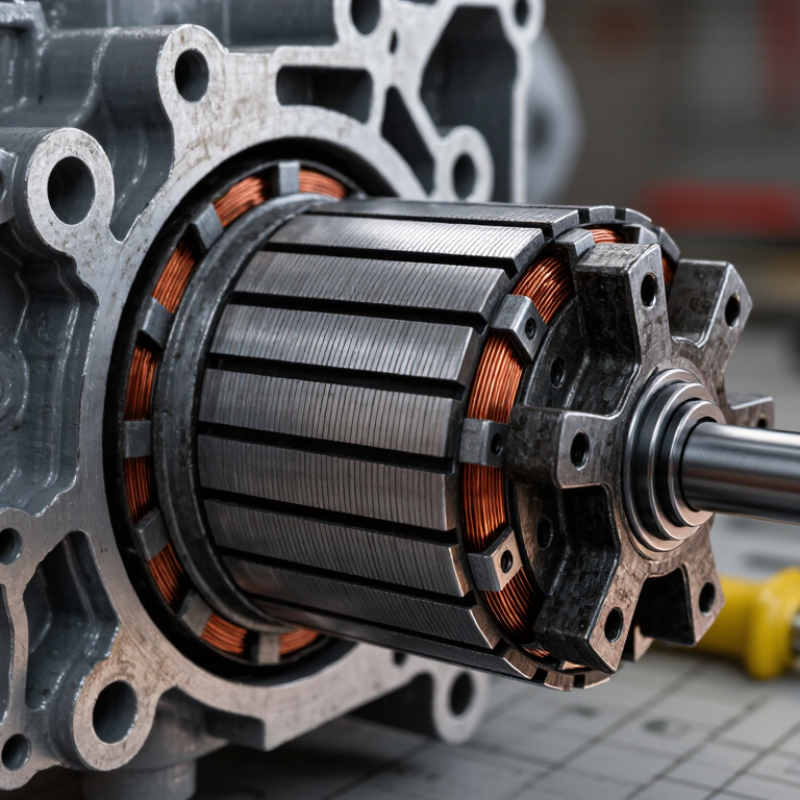
Inside a brushed fuel-pump motor, the commutator is a small cylinder made of separate copper segments. Thin insulating gaps keep those segments electrically apart. Each segment connects to an armature winding on the rotating shaft. Carbon brushes press against the copper as the motor spins, carrying current into the windings.

That contact does more than deliver power. As the rotor turns, the commutator switches current between windings, helping maintain rotation in one direction. The brushes slide across the segments many times per second. It is a simple arrangement, but not a forgiving one.

A weak brush spring, worn carbon, or rough copper surface can interrupt contact. Tiny arcs may then pit the segments, while heat can darken or deform the contact area. Fine wear debris may also collect between segments.

A commutator can look bright and still have an electrical fault. A mechanic may check brush length, spring pressure, surface damage, and continuity rather than judging appearance alone. Readings matter. Severe wear often means the motor assembly needs replacement, since a small commutator is rarely practical to repair reliably. The exact limits vary by motor design, so service measurements are more useful than guesswork.


How the Commutator Conducts Current During Operation

Why Does a Fuel Pump Motor Commutator Fail?

How the Commutator Conducts Current During Operation

In many fuel pump motors, a small brushed DC motor turns the impeller that moves fuel. Its commutator is a cylinder of copper segments attached to the rotating armature. Stationary carbon brushes press against it, carrying current from the vehicle’s electrical supply into the spinning motor.

As the armature rotates, each brush passes from one copper segment to another. The commutator switches current between the armature windings at carefully timed points. This keeps the magnetic forces producing torque in a useful direction, so the rotor continues turning instead of settling between magnetic poles. The switching happens rapidly. The brushes must maintain steady contact, even as vibration and heat build inside the pump.

That description is neat; actual contact is less perfect. Brush pressure, surface wear, dust, and electrical arcing can interrupt current or raise resistance. A worn commutator may develop uneven segments, dark patches, or grooves where the brushes ride. Heat follows. Over time, poor contact can make the motor run inconsistently or stop. A failed pump does not automatically mean the commutator is at fault, though; wiring, supply voltage, and other motor components also deserve inspection.

Common Causes of Commutator Wear and Failure

A fuel-pump motor commutator wears as carbon brushes repeatedly cross its copper segments. Excessive brush pressure, weak springs, or rough surfaces can increase friction and create uneven wear. High current adds heat and may cause arcing, leaving dark pits or burned spots. Small marks matter. They can interrupt current flow and make the pump run intermittently.

Contamination and poor cooling can accelerate damage. Fine debris may abrade the contact surface, while repeated operation with little fuel can reduce cooling in some in-tank assemblies. IEC 60034-1:2022 lists insulation thermal classes B, F, and H at 130°C, 155°C, and 180°C. These are winding insulation limits, not commutator failure thresholds. The distinction is easy to miss. A technician should inspect brush length, spring tension, copper discoloration, and segment grooves, then compare readings with the pump’s service specifications. A polished commutator alone does not prove healthy operation. A focused inspection can still miss intermittent faults.

Symptoms and Effects of Commutator Damage

A worn commutator can make a fuel pump run intermittently before it stops. Drivers may notice long cranking, hesitation under acceleration, or sudden stalling. Sometimes the engine restarts after cooling. That inconsistency is a clue, not proof: low voltage, a clogged filter, or a failing relay can look similar. Inside the pump, burnt or uneven commutator segments disrupt brush contact. The motor may grow noisy, draw unstable current, and deliver uneven fuel pressure. Small copper dust matters.

Diagnosis needs measurements. Compare pump voltage and current with the vehicle’s service specifications, then check fuel pressure during the fault. A voltage-drop test is easy to skip, and that can lead to replacing a sound pump. NHTSA’s public complaint and recall data document fuel-delivery problems, but do not provide a reliable, component-specific commutator failure rate; presenting one would be misleading. ISO 16750-2 sets electrical-load test conditions for vehicle electronics, useful context for electrical diagnosis, but it does not predict pump life. A pressure reading that briefly dips as current fluctuates is stronger evidence than noise alone. Even then, confirm the wiring and ground before condemning the motor.

Why Does a Fuel Pump Motor Commutator Fail? - Symptoms and Effects of Commutator Damage

Failure factor or symptom What happens at the commutator Common vehicle or pump effects Useful checks
Brush wear and loss of spring pressure Worn brushes or weak brush springs reduce consistent contact with the commutator segments, increasing resistance and arcing. Intermittent pump operation, difficult starting, or a pump that stops unexpectedly. Check pump power and ground during the failure. If the pump is accessible for inspection, look for short brushes, weak springs, or uneven wear.
Electrical arcing and pitted segments Poor brush contact, excessive current, or a winding fault can cause arcing that pits or burns the copper contact surface. Rough or fluctuating pump operation, increased electrical noise, and eventually loss of motor operation. Inspect for darkened, pitted, or burned segments. Compare current draw with the vehicle service specification and check for circuit faults.
Contamination or corrosion Moisture, debris, or conductive deposits can interfere with the brush-to-commutator contact and accelerate surface wear. Unsteady pump output, intermittent starting problems, or premature pump failure. Check electrical connectors and the pump assembly for corrosion or contamination. Follow the vehicle manufacturer’s inspection and replacement guidance.
Excessive heat or high motor load High current and heat can damage commutator surfaces, weaken brush contact, and contribute to insulation deterioration in the motor windings. Reduced pump output, intermittent operation after heating, or a motor that fails to run. Measure voltage at the pump under load and investigate abnormal current draw. Also check for restricted fuel flow or other conditions that may overload the pump.
Worn bearings or shaft misalignment Excessive shaft movement can make brush contact uneven and cause localized wear on the commutator. Abnormal pump noise, vibration, inconsistent delivery, or eventual motor seizure. Listen for changes in pump noise and inspect for shaft play if the motor is serviceable. Confirm that the pump is correctly installed.
Open or shorted motor winding A damaged winding can create uneven current through the commutator segments, leading to localized heating, arcing, or loss of continuity. No pump operation, blown circuit protection, or unusually high or low current draw. Test the pump circuit and motor current using the correct service procedure. Do not assume a failed pump until its power supply and ground have been checked.
Possible overall effects Commutator damage can interrupt motor current or reduce pump performance. Depending on the severity, symptoms may include extended cranking, hesitation, stalling, loss of power, or a no-start condition. These symptoms can also result from other fuel, electrical, or engine faults, so diagnosis should include checks of pump voltage, ground, fuel pressure, and related circuits.

Safety note: Fuel-system inspection and testing should follow the vehicle service procedure, with appropriate precautions to prevent fuel leaks, ignition, or injury.

Inspection and Ways to Reduce Commutator Failure

Inspection should begin with a clean, magnified view of the commutator. Look for dark heat marks, copper dust, pitted bars, raised edges, and uneven brush contact. Check brush length, spring pressure, and bar-to-bar electrical consistency against the motor’s service specifications. NIST’s Copper Wire Tables report annealed copper resistivity at about 1.724 micro-ohm-centimeters at 20°C. That is a useful baseline, not a pass/fail limit: tiny commutator segments and test connections can distort readings. Look closely. A smooth-looking surface can still hide an intermittent connection.

On a qualified bench, record current draw and voltage while the pump runs under its specified load. A pulsing current trace, abnormal noise, or rapid heating may point to poor brush contact or damaged bars. EASA’s AR100 repair guidance emphasizes examining rotating electrical parts and correcting defects before returning equipment to service. Its procedures are general motor guidance, not fuel-pump-specific limits. That distinction matters. Do not apply generic machining or mica-undercut dimensions to a small pump motor.

Reduce stress by keeping fuel supply and electrical connections within specification. Low voltage can increase motor current under load; restricted flow can also raise operating temperature. Replace contaminated filters, inspect connectors for heat damage, and avoid repeated dry-running tests. Recheck brush seating after any service. Small wear marks are easy to dismiss, and I would not dismiss them twice.

Why Fuel Pump Motor Commutators Fail

Brush wear, contamination, overheating, poor brush contact, and armature faults can contribute to commutator damage. The scores show qualitative inspection priorities, not measured failure rates; inspect the commutator and brushes together, and check for uneven wear, pitting, discoloration, debris, and electrical faults.

Member of

Associated Wire Rope FabricatorsMHI MemberNetPlus Alliance Member Steel Erectors Assocation STADFA member

Terms of Sale | Privacy Policy