Why Is an Anchor Drill Rig Used in Construction?
An Anchor Drill Rig is used when a construction project needs reliable ground support, but the soil or rock cannot be trusted by appearance alone. It drills holes for anchors that help stabilize retaining walls, slopes, excavations, and other structures. On site, the work may look simple: a steel mast, a rotating drill string, and a crew checking alignment. The ground is not simple.
Donald A. Bruce, a recognized specialist in ground anchoring and grouting, has written extensively about the need for careful design and execution. A practical takeaway from his technical work is: “An anchor is only as dependable as its design, installation, and verification.” This is a summary, not a verbatim quotation. It captures why the rig matters. Controlled drilling helps crews reach the specified depth and angle, while suitable tooling responds to changing ground conditions. Small deviations can matter. A hole that wanders, collapses, or fills with debris may compromise installation quality.
The rig is not a substitute for engineering judgment. Ground investigation, anchor selection, drilling parameters, and inspection all influence performance. Dust, vibration, water, and limited working space also shape decisions on site. Experienced operators notice details that a drawing cannot show, such as a sudden change in cuttings or an unexpected loss of drilling fluid. These observations deserve review, not guesswork. An Anchor Drill Rig is used to make anchor installation more controlled and repeatable, while leaving room for careful assessment when the ground behaves differently than expected.
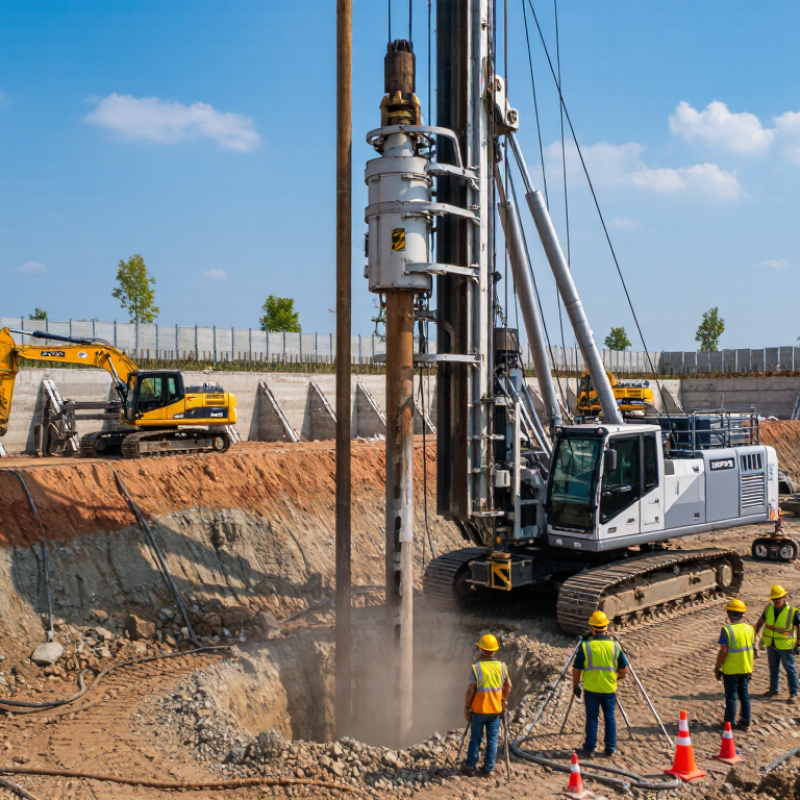
What Is an Anchor Drill Rig?
An anchor drill rig is a machine designed to bore controlled holes for ground anchors, rock bolts, and tiebacks. These elements help secure retaining walls, stabilize slopes, or connect structures to stronger ground. The rig typically has a mast, a rotary or percussion drill head, and a feed system that advances the drill steel. Water or air may carry cuttings out of the hole. Some rigs work in tight spaces; others need room for a larger carrier and support equipment. The right setup depends on ground conditions and the site plan.
On site, operators set the mast to the required angle and monitor drilling resistance, depth, and hole direction. A sudden change in resistance can signal different rock or a void, though it does not identify the cause by itself. Small details matter. Mud on the drill steel, for example, can help crews judge the material being cut. The first layout is rarely perfect. Access, groundwater, and uneven ground may call for adjustments, so measurements should be checked before drilling proceeds. An anchor drill rig is not simply a powerful drill; it is a controlled system for making holes that match engineering requirements.
How Does an Anchor Drill Rig Work?
An anchor drill rig forms the narrow, controlled borehole needed to secure a structure to soil or rock. The crew positions the mast at the specified angle, then advances a rotating bit through the ground. Air or drilling fluid can carry cuttings back to the surface. The operator watches depth, angle, and changes in drilling resistance. Small shifts matter.
After reaching the design depth, the crew installs a steel tendon or bar and fills the hole with grout. The grout bonds the anchor to the ground along a designated fixed length; a separate free length lets the tendon stretch during tensioning. FHWA’s Ground Anchors and Anchored Systems (1999) gives minimum bond lengths of 15 feet for strand tendons and 10 feet for bar tendons. These are design guidance, not universal site specifications. Once the grout gains strength, a hydraulic jack tensions the tendon, and a test checks whether the anchor holds its load. Ground conditions can vary sharply over a few feet, so drilling records need careful review.
Tips: Confirm the rig is aligned before drilling. Track cuttings, depth, and grout use. If field conditions differ from the design assumptions, pause and reassess; the borehole does not always behave as expected.
Why Is an Anchor Drill Rig Used in Construction? How Does It Work?
An anchor drill rig creates a borehole for a ground anchor. It positions and stabilizes the drill string, applies rotation and thrust (and percussion on some rigs), and uses flushing to remove cuttings. The anchor tendon is then installed and grouted; after the grout reaches the required strength, the tendon can be stressed and locked off. Bars show sequence order only—not duration, depth, or performance.
Which Construction Tasks Require Anchor Drilling?
An anchor drill rig is used when construction needs a dependable connection between a structure and the ground. Its work is especially important where soil or rock may shift under pressure. The rig drills a controlled hole for an anchor, soil nail, or rock bolt. That matters.
Retaining walls are a common example. Tieback anchors pass through the wall and into stable ground, helping resist the force of soil behind it. On steep slopes, drilled holes can hold soil nails or rock bolts that reinforce weak ground. Around deep excavations, anchors may support temporary walls while crews work below street level. Each hole must match the engineered location, angle, and depth; a small deviation can affect installation.
Anchor drilling also supports foundation work where ground conditions are poor or space is tight. Some projects use drilled anchors to resist uplift, such as when groundwater pushes against a basement structure. The exact method depends on soil reports, rock quality, nearby utilities, and the loads involved. It is tempting to treat drilling as the hard part, but that can be misleading. A clean-looking hole does not confirm that the ground can hold an anchor. Engineers and qualified crews still need to verify installation and performance.
What Benefits Does an Anchor Drill Rig Provide?
An anchor drill rig installs tiebacks that transfer pulling forces into stable soil or rock. Its mast can drill through a retaining wall, then place a steel tendon and grout within the borehole. This support can reduce the need for bulky buttresses and keep more space open for excavators, trucks, and crews. That matters on tight sites.
FHWA’s 1999 Ground Anchors and Anchored Systems manual describes proof testing anchors to as much as 1.33 times their design load. This check helps engineers confirm that an installed anchor can carry its specified force. A rig also helps control drilling direction and depth, which matter when anchors must pass beneath roads or utilities. Small errors matter. Yet a powerful rig cannot fix poor ground investigation or unsuitable grout. On site, operators still need to watch for changing cuttings, water inflow, and unexpected rock. Those details can slow work, but they are useful evidence. Anchoring works best when drilling records, testing, and geotechnical design stay closely connected.
Why Is an Anchor Drill Rig Used in Construction? - What Benefits Does an Anchor Drill Rig Provide?
| Construction Need | How an Anchor Drill Rig Is Used | Practical Benefit | Key Consideration |
| Retaining walls and excavations | Drills inclined or near-horizontal holes for ground anchors installed behind the excavation face. | Anchors can help resist lateral soil or rock pressure and support excavation stability. | Anchor layout, bond length, and installation must follow the project’s geotechnical design. |
| Slope stabilization | Creates boreholes for anchors or soil nails that reinforce soil and fractured rock. | Provides a way to improve resistance to ground movement on cut slopes and embankments. | Ground conditions, drainage, and the chosen reinforcement system affect performance. |
| Foundations and tie-down systems | Drills holes for tensioned anchors used to resist uplift or provide foundation support. | Can help secure structures where uplift forces or limited foundation space are concerns. | Capacity depends on ground conditions, anchor design, installation quality, and testing. |
| Restricted or uneven work areas | Positioning and mast arrangements allow drilling at selected angles and in confined site conditions. | Can provide access for drilling where larger or less adaptable equipment may be difficult to position. | Working clearance, rig reach, setup stability, and safe access should be checked before work begins. |
| Variable soil and rock conditions | Uses drilling methods and tooling selected for the encountered ground, such as casing or flushing systems where suitable. | Adaptable drilling arrangements can support anchor installation across a range of ground conditions. | The drilling method must suit the geology and project requirements; no single setup suits every site. |
| Installation productivity | Mechanizes hole drilling and can support repeatable positioning and drilling operations. | May reduce manual drilling effort and help maintain a consistent installation sequence. | Actual production depends on access, geology, hole depth and angle, tooling, and site logistics. |
| Quality control | Allows the crew to monitor drilling parameters and record installation details as required by the project. | Supports documented, repeatable work when combined with inspection and specified testing. | Rig operation alone does not verify anchor capacity; required testing and acceptance criteria still apply. |
Note: Anchor drill rigs are used to create holes for ground-support and anchoring systems. The appropriate rig, drilling method, and anchor design depend on the site investigation, ground conditions, engineering specifications, and safety requirements.
How Do Engineers Choose an Anchor Drill Rig?
Engineers choose an anchor drill rig by matching its capabilities to the ground, anchor design, and worksite limits. Loose fill, weathered rock, and hard bedrock can demand different drilling methods and flushing systems. The planned anchor length and diameter also matter: the rig needs enough torque, feed force, and mast reach to install it consistently. A compact rig may fit beside a retaining wall, while a larger unit may handle deeper holes more efficiently. Access is not just about width. Check overhead clearance, turning space, and how the rig will stand on uneven ground.
Tips: Review geotechnical logs, anchor drawings, and access measurements together. Ask the site team how groundwater or changing rock layers could affect drilling. A short trial hole can reveal problems that paperwork misses.
Noise, vibration, and spoil removal should influence the choice, especially near occupied buildings. Engineers also consider whether the rig can hold the required drilling angle without excessive repositioning. There is no perfect selection from specifications alone; site conditions can change within a few metres. I would not treat a high torque rating as proof of suitability. Confirm the proposed setup with the contractor, then compare its performance against the project’s anchor and inspection requirements.