


How to Choose the Right CM Hoist Parts for Your Needs
Choosing the right Cm Hoist Parts starts with more than matching a product photo. The hoist’s exact model, serial number, capacity, and production details help identify compatible components. A brake assembly, chain guide, hook, or pendant may look similar across models, yet small differences can affect fit and operation. Check the nameplate and parts manual. If records are missing, confirm details with the manufacturer or an experienced service provider before ordering.
The working environment matters, too. Consider load frequency, lift height, duty cycle, temperature, dust, and moisture. A hoist used throughout a busy workshop may need different service parts than one used occasionally in a clean storage area. Never choose by price alone: material, dimensions, ratings, and stated compatibility should match the equipment and its intended use. Small mismatch, big headache.
This guide explains how to read part information, compare alternatives, and spot questions worth asking before purchase. It also distinguishes routine replacement items from components that call for qualified inspection or installation. Even a careful checklist cannot replace the hoist maker’s instructions; specifications vary, and product listings can omit critical details. A listing may look convincing, then fail a basic model-number check—a simple mistake worth reviewing. Details matter.
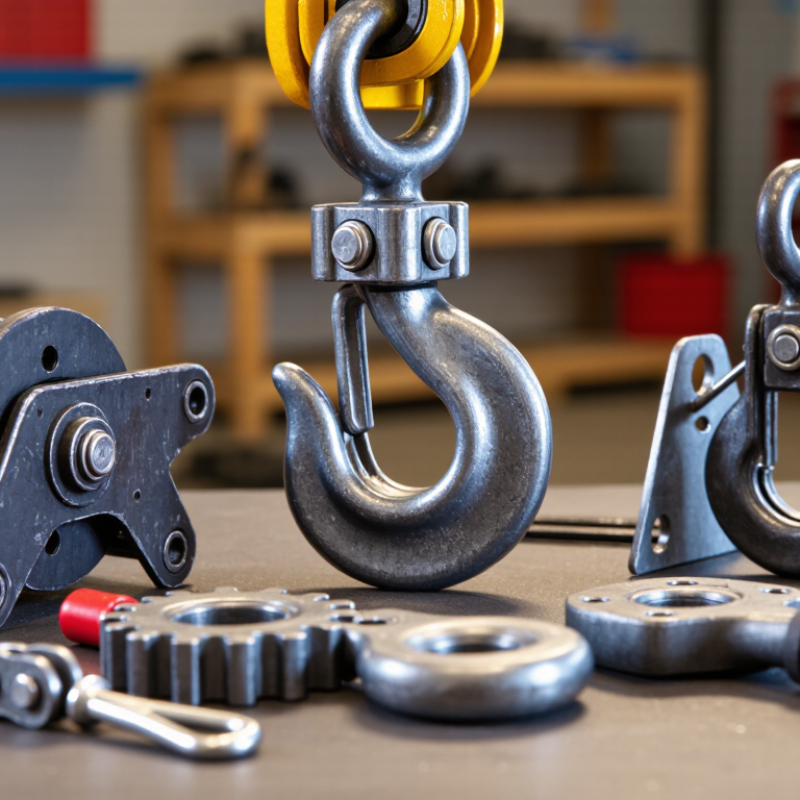
Identify the CM Hoist Model, Serial Number, Capacity, and Duty Classification
Before ordering replacement CM hoist parts, record the exact model and serial number from the hoist’s identification plate. Photograph the plate and note whether digits are worn or difficult to read. The model narrows the parts list; the serial number can distinguish production versions with different components. Confirm rated capacity from the plate, not from memory or a nearby hoist. A matching-looking brake or chain guide may still have a different fit.
Capacity alone is not enough. Check the duty classification against real operating conditions: load spectrum, starts per hour, run time, and daily cycles. The Hoist Manufacturers Institute’s published duty-classification guidance associates H3 service with about 400 operating hours annually, compared with about 800 hours for H4. These figures help frame service intensity; they do not replace the hoist’s own rating or inspection records. A hoist used for frequent short lifts may need a different duty assessment than one making occasional full-capacity lifts.
Tips: Send the supplier clear plate photos, model, serial number, capacity, and duty class. Include the part location and dimensions if known. Check twice. If the plate is unreadable, pause and verify records before ordering; guessing can waste time and leave an unsuitable part on the hoist.
How to Choose the Right CM Hoist Parts for Your Needs - Identify the CM Hoist Model, Serial Number, Capacity, and Duty Classification
| Identification Detail | What to Record | Where to Check | Example Format | Why It Matters for Parts Selection |
|---|---|---|---|---|
| Hoist model | Exact model designation, including any suffixes or configuration codes. | Nameplate, equipment label, or the hoist’s original documentation. | Model ABC-123, including all letters and numbers shown | Similar-looking hoists can use different assemblies and components. Match the complete designation before ordering. |
| Serial number | Full serial or identification number, preserving letters, digits, and leading zeros. | Nameplate or manufacturer’s equipment record. | SN 00123456 | Serial ranges may correspond to different revisions or component configurations. Use the full number when confirming compatibility. |
| Rated capacity | The maximum rated load marked on the hoist, with its unit. | Nameplate and applicable operating documentation. | 1 t (1,000 kg) or 2,000 lb | Load-bearing parts must be suitable for the hoist’s rated capacity. Do not infer capacity from appearance or chain size alone. |
| Duty classification | The exact duty or service classification stated in the documentation or on the equipment. | Nameplate, technical data sheet, or applicable service records. | Record the marked class exactly, such as an HMI, ISO, or FEM classification | Duty classification reflects intended service conditions. Confirm that replacement components and the proposed application are appropriate for that classification. |
| Lift height | Required hook travel, measured from the lowest to the highest operating position. | Installation specification or a careful measurement of the installed hoist. | 3 m (approximately 9.8 ft) | Chain or load-chain assemblies must have the correct length and configuration for the installation. |
| Load chain details | Chain size, grade or type if specified, number of falls, and reeving arrangement. | Hoist documentation and approved component specifications; do not identify chain by visual estimate alone. | Record the specified chain dimensions and reeving exactly | Load chains and related parts must match the hoist design. An incorrect chain or reeving arrangement can create a serious safety hazard. |
| Power and control details | For powered hoists, record supply voltage, phase, frequency, and control configuration when marked or documented. | Electrical nameplate, wiring diagram, or installation documentation. | Record values as marked, for example: 230 V, 3-phase, 60 Hz | Electrical components such as motors, contactors, and controls must be compatible with the hoist’s electrical configuration. |
| Mounting and trolley configuration | Suspension type, trolley type, beam dimensions, and any relevant mounting measurements. | Installation records and direct measurements of the existing setup. | Hook suspension; record beam width and flange dimensions if a trolley is fitted | Mounting components must fit the supporting structure and match the hoist arrangement. Verify dimensions before selecting a trolley or suspension part. |
| Part identification | Part number, component description, and any revision or marking on the existing part. | Part label, parts list, service manual, or qualified service documentation. | Record the complete part number and revision, if shown | Appearance alone is not a reliable way to identify a replacement. Confirm the part against documentation for the exact model and serial number. |
| Condition and application | Describe the failed part, operating environment, usage pattern, and any unusual wear or damage. | Inspection findings, maintenance history, and site conditions. | Indoor use; frequent starts; inspect for corrosion or abnormal wear | Environmental and service conditions can affect part suitability and maintenance needs. Have safety-critical components assessed by qualified personnel. |
Related Posts
-
How to Choose CM Hoist Parts in 2026?
-

Maximize Efficiency and Safety in Lifting: The Growing Demand for Hand Chain Hoists in Global Markets
-
China Top 10 Chain Fall Hoist Manufacturers?
-

What are the Advantages of Using Electric Chain Hoists in Modern Industries
-
Innovating the Landscape of Pneumatic Chain Hoists for Tomorrow's Industries
-
China Best Electric Chain Hoist Features and Benefits Explained