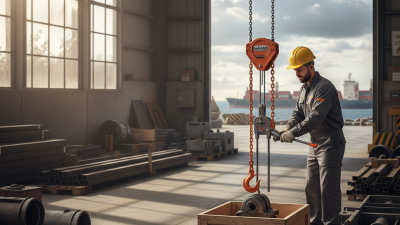
How to Choose the Right Chain Pulley for Your Needs?
Choosing the right Chain Pulley begins with the load, not the price tag. A small workshop hoist may lift a 500-kilogram engine, while a construction site may require several tonnes. The equipment must match the working load limit, lifting height, chain length, and operating environment. A damp warehouse, outdoor platform, and clean factory floor create different demands.
Rigging specialist John M. Gross offers a practical reminder: “Capacity comes before convenience, and inspection comes before operation.” This principle fits every Chain Pulley selection. Check the nameplate carefully. Confirm the load’s actual weight, including attached tools or fixtures. Then examine the chain, hooks, brake, and housing. A bent hook or stiff chain is not a minor detail. It can signal deeper damage.
Manual models suit occasional lifting and precise positioning. Geared options reduce effort during heavier work. Electric chain pulleys improve productivity, but they require suitable power, controls, and maintenance planning. I have seen buyers focus on lifting speed and overlook headroom. That mistake can make installation awkward or impossible.
No selection guide is perfect. Site conditions change, and product labels may be misunderstood. When uncertainty remains, ask a qualified lifting-equipment professional to review the application. Never exceed the rated capacity or modify safety components. The best Chain Pulley is not always the fastest or cheapest model. It is the one that performs reliably, fits the workspace, and leaves a sensible safety margin.
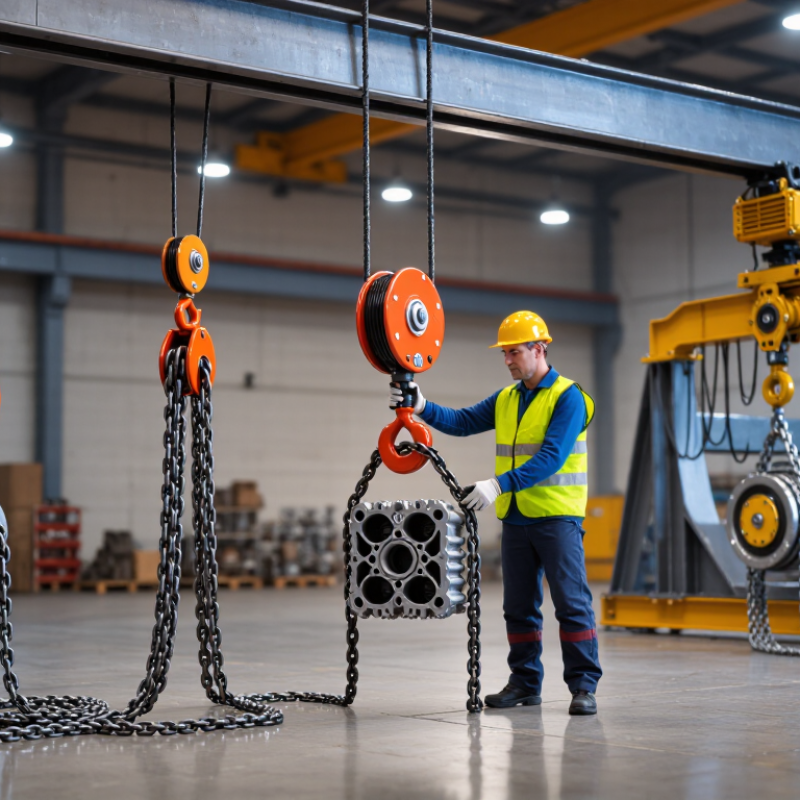
Understanding Chain Pulley Types and Their Working Principles
Choosing a chain pulley begins with understanding how it works. In a manual chain block, pulling the hand chain turns a wheel and gear train. The load chain passes over a pocketed wheel, multiplying hand force and raising the load. A mechanical load brake holds the load when pulling stops. Simple, but not risk-free.
Common types include manual chain blocks, lever hoists, and electric chain hoists. Manual blocks suit occasional vertical lifting. Lever hoists work better for pulling, positioning, or short horizontal movements. Electric models support repetitive lifting, but require suitable duty ratings, controls, and power protection. Check the working load limit, lift height, headroom, chain grade, hook design, and operating environment. ASME B30.16 provides inspection and operating guidance for overhead hoists, while ASME B30.21 covers lever hoists.
The details matter.
The UK Health and Safety Executive recorded 61,663 employer-reported non-fatal injuries under RIDDOR in 2023/24. That figure is not chain-pulley-specific, but it shows why controlled lifting deserves attention. A pulley rated for 2 tonnes may still be unsuitable in corrosive air, with side loading, or during shock loading. HSE guidance also emphasizes competent inspection and planned lifting operations. In practice, I would inspect the chain for stretched links, check hook latches, and test brake holding before use. I would not rely only on a catalogue capacity. Real workplaces are rarely clean, level, or predictable. One overlooked detail can change the selection.
Assessing Load Capacity, Lift Height, and Operating Requirements
Choosing a chain pulley starts with the load, not the price or appearance.
Record the heaviest object you will lift, including slings, hooks, and temporary attachments. Select a rated working load limit above that total. Never treat the breaking strength as a safe lifting capacity. I once underestimated a fixture’s added weight, and the small error changed the equipment choice.
Lift height deserves equal attention.
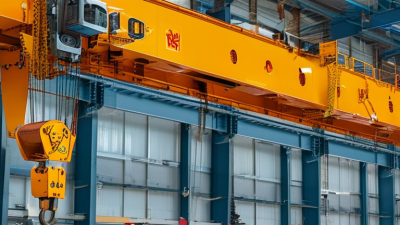
Measure from the lowest pickup point to the highest placement point, then allow extra chain for positioning. A short chain forces awkward handling. An excessively long chain creates unnecessary loops and trip hazards. Check the available headroom too. The pulley body may need more clearance than expected, especially beneath a beam or low ceiling.
Operating requirements often reveal the better choice.
A workshop lifting twice daily may need different gearing than a repair crew working continuously. Consider duty cycle, lifting speed, control effort, noise, temperature, moisture, and access around the load. Inspect the chain for stretched links, corrosion, kinks, or damaged hooks before each use. Confirm that the supporting structure can carry the combined load. Manufacturer instructions and a qualified lifting professional should guide final selection. The first estimate may be wrong. Recheck it.
Selecting the Right Chain, Hook, and Pulley Materials
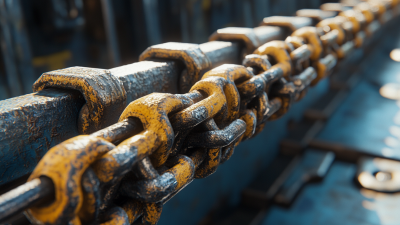
Choosing the right chain pulley begins with material compatibility. Grade 80 or Grade 100 alloy-steel chains suit most lifting applications because they combine strength with controlled elongation. Stainless steel resists moisture, but it may not provide the same working load limit. Corrosion resistance alone is not enough. Check the working load limit, temperature range, shock loading, and chemical exposure. ASME B30.9 provides useful requirements for alloy-chain slings, while ASME B30.16 addresses manually operated hoists. Treat these standards as a baseline, not a substitute for inspection.
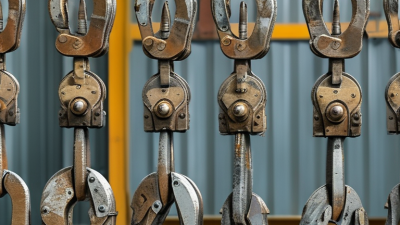
The hook should normally use forged alloy steel with a properly fitted safety latch. The load must rest in the hook bowl, never on the tip. A narrow throat can look convenient, yet it may encourage side loading. For the pulley, choose a hardened steel sheave for abrasive environments and repeated use. A polymer sheave can reduce noise and weight, but only when its rated capacity matches the chain system. The chain wheel must fit the chain pitch precisely. Small mismatches create jerking, local wear, and an unpleasant clicking sound.
The WHO and ILO estimate 1.9 million work-related deaths annually, based on global 2016 data. The U.S. Bureau of Labor Statistics recorded 5,283 fatal work injuries in 2023. These figures are not specific to chain pulleys, but they show why small material decisions deserve attention. Inspect for stretched links, widened hook openings, cracked latches, and worn grooves. One difficult truth remains: a technically correct material can still fail through poor storage, contamination, or rushed handling.
Checking Safety Features, Maintenance Needs, and Installation Conditions
Choosing a chain pulley starts with the load, but safety and site conditions decide whether it works reliably. Select a rated capacity above the normal load, not the maximum guess. Check the hook latch, load chain, hand chain, brake, and overload protection before installation. The U.S. Bureau of Labor Statistics recorded 5,283 fatal work injuries in 2023. Falls, slips, and trips caused 885 of them, showing why controlled lifting areas matter (BLS, Census of Fatal Occupational Injuries, 2023).
Inspect the supporting beam, trolley path, headroom, and lifting direction. The hook must remain directly above the load. Avoid side pulling. It can bend components and destabilize the load. ASME B30.16 recommends inspection and maintenance practices for overhead hoists, including checking hooks, chains, brakes, and load-bearing parts. Clean-looking equipment is not always safe. That assumption is easy to make. Before each shift, look for stretched links, corrosion, cracked hooks, unusual brake movement, or damaged hand-chain guides. Lubricate only as the manufacturer’s instructions permit. Dusty, wet, salty, or chemically aggressive locations may require shorter inspection intervals and protective materials. Keep written records. They reveal repeated problems that memory often misses. Installation also deserves a second review. A level beam, clear travel path, stable anchorage, and adequate lighting reduce preventable mistakes. If the pulley drifts, jams, or lifts unevenly, stop using it and have a competent person assess the cause.
How to Choose the Right Chain Pulley for Your Needs?
Compare the relative importance of safety features, maintenance needs, and installation conditions before selecting a chain pulley. The 1–5 scores are practical planning ratings, where 5 indicates the highest attention requirement.
Always verify the rated load capacity, load-chain condition, brake performance, anchorage strength, available headroom, operating temperature, and applicable local lifting regulations before installation and use.