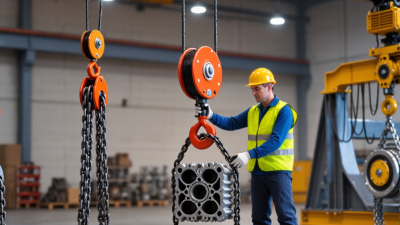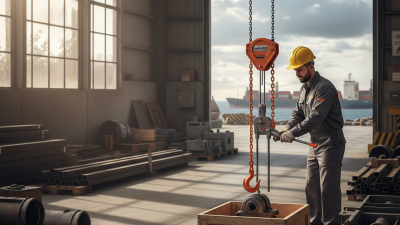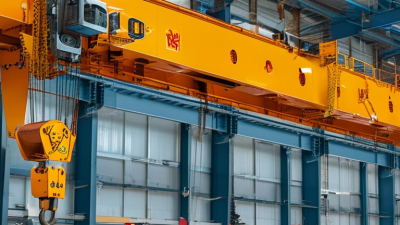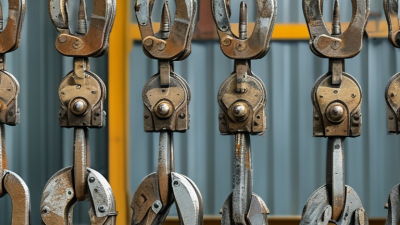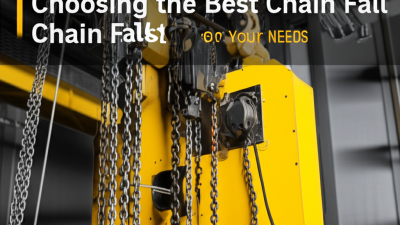
A Chain Block may look simple on a warehouse beam: a hand chain, a load chain, and a compact steel body. Choosing one for production work takes more than matching its rated capacity to the load. Buyers also need to check lift height, duty cycle, chain grade, brake design, inspection access, and local service support. Small details matter. A rough chain pocket or unclear capacity marking can complicate daily checks.
The International Labour Organization’s 2023 report, A Call for Safer and Healthier Working Environments, estimates nearly three million work-related deaths worldwide each year. That figure covers many hazards, not chain blocks alone, but it underscores why lifting equipment deserves careful selection. Mike Parnell, a rigging and lifting-equipment specialist, emphasizes a useful principle: “Safe lifting depends on the whole system, not just the hoist.” Buyers should treat that as a selection lens, not a substitute for the manufacturer’s instructions or qualified inspection. One uncomfortable point remains: a low purchase price can hide costly gaps in support or documentation.
This guide compares seven Chain Block options for industrial buyers in 2026. It focuses on capacity range, construction, operating feel, maintenance needs, and supplier support. The best choice is not automatically the heaviest-duty model. Match the block to the real lift, verify its markings, and confirm that replacement parts are available before downtime makes the decision for you.
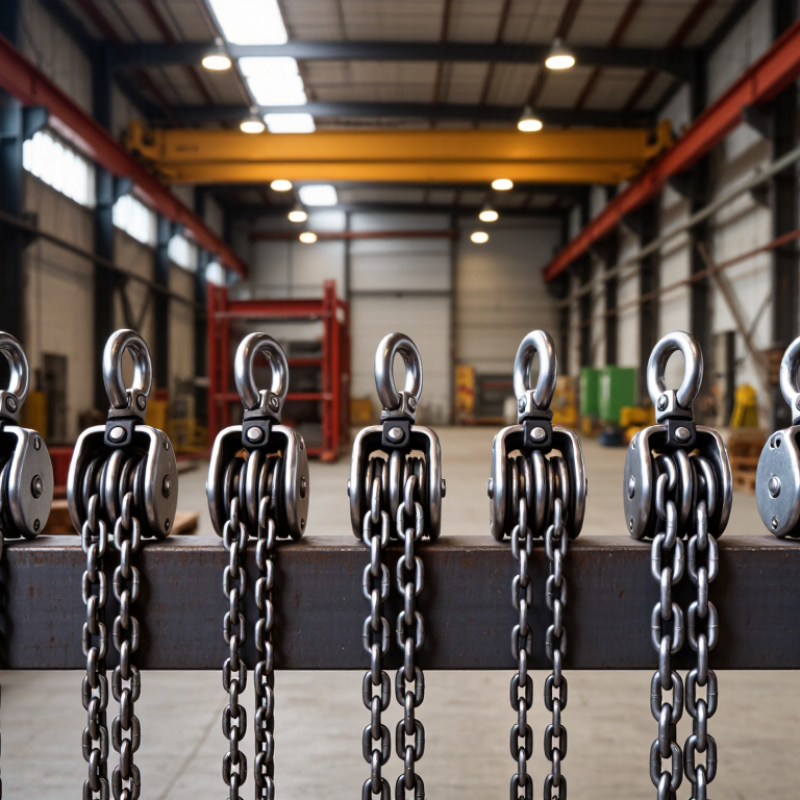
A chain block is a manual lifting device used to raise or lower heavy loads in workshops, factories, and maintenance areas. It typically has a hand chain, a load chain, a gear system, a brake, and hooks. Pulling the hand chain turns internal gears, which move the load chain through a lifting wheel. The gears reduce the effort needed to lift a load. No motor is required.
The brake helps hold the load when the operator stops pulling. That sounds simple, but the lift still depends on correct setup and careful operation. For example, a suspended motor must hang from a secure anchor, with its hook seated properly and its load balanced. A twisted chain or side pull can create problems. The rated capacity matters, too.
Industrial buyers should consider lift height, available headroom, duty cycle, and the conditions where the block will be used. Dust, moisture, and frequent handling can affect wear and maintenance needs. Before use, operators should check the hooks, chain, brake, and housing for visible damage. A small detail matters. Chain blocks are straightforward tools, but they are not maintenance-free, and inspection routines can be overlooked when a job feels familiar.
When comparing chain blocks, start with rated capacity and the heaviest complete load, including slings and attachments. Do not select a unit based only on the item’s stated weight. Leave suitable operating margin, and never exceed the block’s rating. Check lift height too: a long lift needs enough load chain and room beneath the beam. Headroom matters.
The chain, hooks, and brake deserve close attention. Confirm the load chain is specified for the block, with clear inspection and replacement guidance. Hook latches help retain properly seated rigging, but they do not make side-pulling safe. Keep the pull vertical. A reliable brake should hold the rated load when the hand chain is released. This is easy to underestimate.
Match the duty rating to actual use. Occasional maintenance lifts differ from repeated production cycles, where heat and wear accumulate faster. Consider operator effort, available headroom, and whether a geared trolley is needed for horizontal travel. Dust, moisture, and corrosive conditions may call for protective finishes or more frequent inspections. Ask for operating and maintenance instructions, test documentation, and the applicable rating details. Paperwork is useful, but it cannot replace checking the block, chain, and hooks before use. I still find the workspace layout gets overlooked. A technically suitable block can be awkward or unsafe when clearance is poor.
Industrial buyers can compare seven chain block configurations for different lifting conditions. A standard manual hand-chain block suits routine vertical lifts where power is unavailable. A low-headroom model helps in workshops with limited clearance. A compact portable unit is useful for maintenance crews moving between work areas. A lever-operated chain block allows controlled pulling or lifting in tighter positions. Each option still needs a rated capacity matched to the actual load.
A chain block paired with a geared trolley supports movement along a beam. A corrosion-resistant model may suit damp settings, but its finish alone does not establish suitability for every environment. A heavy-duty configuration may fit frequent service, provided its duty rating and inspection requirements match the work. Check lift height, chain specification, brake design, mounting arrangement, and manufacturer documentation before ordering. Ask a qualified inspector to review the intended setup. These categories are not a ranking. A shortlist can still miss an awkward clearance issue, so measure the installation point—not just the load.
For seven chain-block options, compare rated capacity, lift length, and duty cycle together. A 0.5–1 tonne unit suits lighter, occasional positioning; 2–5 tonne models cover many routine maintenance lifts. Higher-capacity options, such as 10 tonnes and above, need more headroom and careful support-structure checks. Standard lifts may not fit every bay. Measure from the hook’s lowest position to the obstruction above it.
Duty rating matters as much as capacity. ISO 4301-1 classifies lifting equipment using total working cycles and load spectrum, while Hoist Manufacturers Institute guidance considers operating hours and starts per hour. These references show why two blocks with identical rated loads may suit different workloads. A block used for a few careful lifts per shift faces a different service pattern from one cycled repeatedly. A neat spreadsheet can still mislead.
Tips: Record the heaviest load, lift distance, lifts per hour, and daily operating time before shortlisting. Compare available chain length and headroom in the actual work area. Check inspection and maintenance requirements against ASME B30.16 guidance. Allow a practical margin; choosing capacity alone is not a duty-cycle assessment.
Choosing a chain block starts with the lift, not the catalogue. Confirm the heaviest load, lift height, duty cycle, and available headroom before comparing models. Rated capacity must cover the planned load, while the supporting beam or trolley must be suitable too. Check the chain, hooks, brake, and service options. Small details matter. An awkward handle swing can make a routine lift difficult.
Before each use, inspect the chain for twists, stretched links, corrosion, or damage. Check hooks for cracks, deformation, and freely moving safety latches. Look for loose fasteners, leaks, or signs that the brake may not hold. Never use a damaged block; tag it out and have it assessed by a competent person. If conditions seem uncertain, pause. A brief check is cheaper than a dropped load.
Follow the manufacturer’s instructions for testing, lubrication, and service intervals. Use only specified lubricants, and keep the chain clean and dry when stored. Lift vertically, keep people clear, and avoid shock loading or pulling the load sideways. Even experienced crews can overlook a worn link when work gets familiar; routine checks can become rushed. That is worth reflecting on. Record inspections and repairs, and remove the block from service if its history or condition is unclear.
Copyright ©2024 Elephant Lifting Products | All rights reserved.
38381 N Robert Wilson Rd, Gonzales, LA 70737 USA
Toll Free: (888) 844-6113 | Phone: (225) 644-6113 | Fax: (225) 644-6695
Email: sale@floralift.org