Language:

Top Lever Chain Hoist Manufacturers in China

China has become an important sourcing base for lifting equipment, with manufacturers serving construction, maintenance, workshops, and industrial sites. This guide to top lever chain hoist manufacturers in China helps buyers understand what to compare before requesting a quote. A Lever Chain Hoist may look simple, but its design, materials, and inspection process affect how reliably it performs under load.

Look beyond price and product photos. Check rated capacity, standard lift, chain grade, hook design, brake operation, and available test documentation. Ask how each model is inspected and whether spare parts can be supplied over time. Clear answers matter. So does consistency between the sample, technical sheet, and delivered product. Manufacturer claims should be verified with relevant records, not accepted at face value.

Supplier selection also depends on the job. A compact hoist for occasional workshop use may not suit repeated lifting in a demanding production area. Discuss operating conditions, duty cycle, environment, and maintenance needs with the manufacturer. Compare communication quality, customization limits, packaging, lead times, and after-sales support as well. No single supplier is best for every buyer. Some details may only become clear after practical evaluation, which is why this process deserves care. The sections that follow outline ways to assess Chinese manufacturers and make a more informed shortlist.
Top Lever Chain Hoist Manufacturers in China

How Lever Chain Hoists Work and Where They Are Used

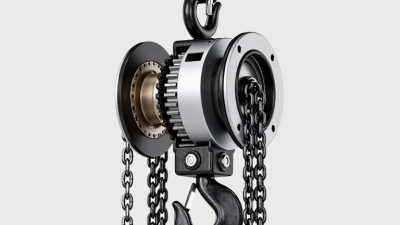
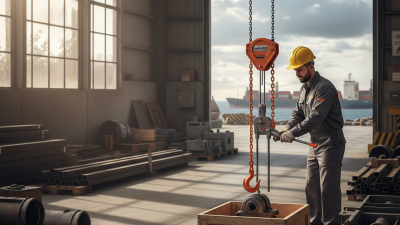
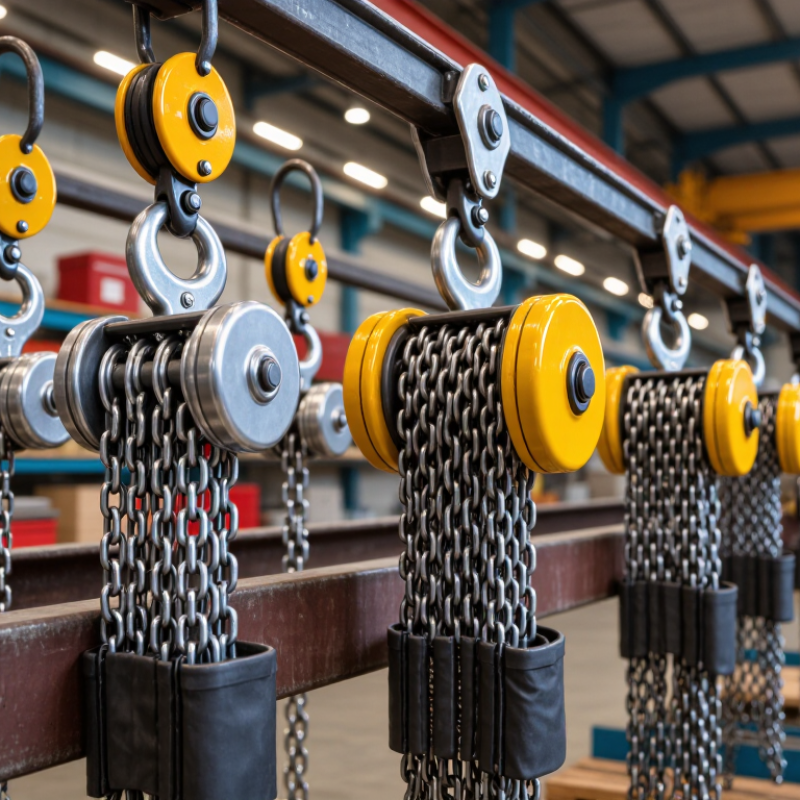
A lever chain hoist uses hand force to lift, lower, or pull a load. The operator moves a short lever through repeated strokes. Inside, a ratchet and pawl control the drive, while a load chain travels over a lifting wheel. A selector changes the operating direction, allowing controlled movement in either direction. Small movements matter. They can help position a steel beam or machinery more carefully than a sudden pull.

Lever hoists are used in workshops, construction areas, warehouses, and maintenance settings where a compact lifting tool is practical. Workers may use one to tension a load, align equipment, or lift an object where an overhead hoist is unavailable. The supporting point must be suitable, and the hoist’s rated capacity should match the load. Check the chain, hooks, latch, and operating mechanism before use; damaged parts can compromise safe handling. One detail is easy to overlook: a hoist that can lift a load may still be poorly suited to its shape or working angle.

Pause and assess the setup. Manual effort is not a substitute for a stable load path.

China’s Lever Chain Hoist Manufacturing Industry

China’s lever chain hoist manufacturing industry serves construction, maintenance, workshops, and material-handling operations. Production typically combines steel component machining, heat treatment, chain fabrication, and final assembly. The lever mechanism must move smoothly, while the brake should hold a suspended load without slipping. Small details matter. A rough handle edge or poorly finished hook can affect daily use.

Manufacturers vary in equipment, process control, and inspection practices, so buyers should look beyond a product photograph. Ask for rated capacity, operating instructions, material details, and inspection records. A clear test report can help verify that each model has undergone appropriate checks, including brake function and load testing. Check the chain markings and hook latch, too. These parts meet the load directly.

China’s broad supplier base can support different order sizes and product specifications, but consistency deserves careful attention. Sample units may not reflect every later production batch. That is worth remembering. Discuss packaging, spare parts, traceability, and quality checks before placing an order. When comparing suppliers, practical evidence and clear communication are more useful than polished claims alone.

Leading Lever Chain Hoist Manufacturers in China

Leading lever chain hoist manufacturers in China are judged by more than catalog range. Strong suppliers can explain how they control chain quality, brake assembly, and hook forging. Ask for load-test records linked to production batches, not just a general test statement. Clear answers matter.

A factory visit can reveal practical details: marked inspection stations, calibrated test equipment, and finished hoists protected from dust. Check whether rated capacity, lift height, and operating instructions match your application. Ask how replacement parts are identified and how service questions are handled. A polished catalog helps, but it may hide routine production weaknesses. Supplier claims still need verification.

Tips: Request a sample unit and inspect its brake response, chain movement, and hook latch. Compare records with the actual model. Small inconsistencies deserve a second look.

How Chinese Manufacturers Compare in Quality and Capabilities

Chinese lever chain hoist manufacturers vary widely in quality, even when products share similar rated capacities. A useful comparison starts with the production details behind the rating: chain grade, hook material, gear machining, and brake design. Ask whether each unit is proof-tested and whether test records can be traced to its serial number. Small details matter. A brake that holds steadily under a suspended load is more meaningful than a polished housing or a broad catalog. Inspect the finish around welds and hooks, check chain movement for snags, and request clear inspection criteria. Claims alone are not evidence.

Capabilities differ as much as build quality. Some factories focus on standard models and stable lead times, while others can adapt lift height, hand-chain length, or packaging for a specific installation. Confirm what is engineered in-house and what depends on outside suppliers; this can affect consistency and replacement-part support. Ask for drawings, available material records, spare-part lists, and a sample inspection plan before placing a large order. Customization may come with limited testing depth. That trade-off deserves scrutiny. Compare response quality too: precise answers about rated load, duty cycle, and maintenance suggest stronger technical control than quick assurances.

Key Factors for Choosing a Lever Chain Hoist Manufacturer

Top Lever Chain Hoist Manufacturers in China

When comparing lever chain hoist manufacturers in China, look beyond price and polished product photos. Grand View Research estimated the global material handling equipment market at US$211.1 billion in 2023, with a projected 5.5% compound annual growth rate from 2024 to 2030. This broad market figure is not specific to lever hoists, but it reflects the importance of dependable lifting equipment. Numbers matter. Check rated capacity, chain grade, brake design, and operating effort against your actual lifting conditions.

Request traceable test records, clear inspection instructions, and details of the load-testing method. ASME B30.21 covers lever hoists; ask whether the offered design and documentation meet the standard required for your application. Confirm that hooks have safety latches and that spare parts are available. A sample can reveal rough chain travel or a handle that feels awkward under load. A shiny finish proves little. I would also check how the manufacturer handles product changes, since a small component revision can affect maintenance and fit.

Tips: Ask for a sample and a written inspection checklist. Compare the same capacity and lift length across quotations. Ask for proof, not promises. Then verify lead times and after-sales support in writing.

Top Lever Chain Hoist Manufacturers in China – Key Factors for Choosing a Lever Chain Hoist Manufacturer
Evaluation Factor What to Check Why It Matters Evidence to Request
Rated Capacity and Product Range Confirm the rated working load, available models, and whether the hoist is intended for pulling, lifting, or both. The hoist must match the load and the application. A rated capacity is not a substitute for checking the complete lifting arrangement. Model-specific product data sheet, nameplate details, and operating instructions.
Lift Height and Chain Configuration Check the standard lift, available chain lengths, number of chain falls, and any effect on lifting speed or headroom. Lift and configuration affect usability, installation clearance, and the suitability of the hoist for the work area. Dimensioned drawings and written confirmation of the requested configuration.
Load Chain Quality Verify chain specification, material and heat-treatment information, inspection requirements, and compatibility with the hoist. The load chain is a critical load-bearing component. Replacement chain must be approved for the specific hoist model. Chain specifications, material or inspection records where available, and replacement-part guidance.
Brake and Load Control Ask how the load is held when the operating handle is released and how the braking system is inspected and maintained. Reliable load control is essential during operation. Buyers should follow the manufacturer’s instructions and applicable safety rules. Operating and maintenance manuals, brake description, and product test documentation.
Standards and Market Compliance Identify the standards and regulatory requirements applicable to the destination market and the specific product. Requirements vary by market and application. A certificate or marking should be checked for scope, validity, and relevance to the offered model. Applicable declarations, certificates, test reports, and the standards referenced in the product documentation.
Testing and Quality Control Review incoming-material checks, in-process inspections, final inspections, and how test results are linked to production batches. Documented controls help buyers assess consistency and traceability rather than relying only on general quality claims. Quality-control plan, sample inspection records, and batch or serial-number traceability details.
Manufacturing Capability Determine which production and inspection processes are performed in-house and which are outsourced. Process capability and supplier oversight can affect production consistency, lead time, and control over product changes. Factory audit information, process overview, and clarification of outsourced components or operations.
Durability and Working Environment Check suitability for the expected duty, temperature, moisture, dust, and exposure to corrosive conditions. Environmental conditions and usage patterns can affect service life and maintenance needs. Do not assume a standard model is suitable for every environment. Specified operating limits, coating or corrosion-protection details, and maintenance recommendations.
Spare Parts and Technical Support Confirm parts availability, service guidance, warranty terms, and the process for handling product issues. Support and replacement parts can reduce downtime over the hoist’s service life. Parts list, warranty terms, support contacts, and stated parts-supply arrangements.
Customization and Order Control Clarify whether requested changes affect the design, rated capacity, compliance status, or delivery schedule. Uncontrolled modifications may affect safe use or invalidate product documentation. Changes should be approved and documented. Approved drawings, a written change specification, and confirmation of any compliance implications.
Quotation and Delivery Terms Compare the full quotation, including configuration, inspection documents, packaging, shipping terms, and delivery estimates. A clear, like-for-like quotation helps avoid misunderstandings about what is included and when the order will be ready. Itemized quotation, order confirmation, agreed delivery terms, and packaging details.
Supplier Verification Check the supplier’s legal identity, export experience, references, and consistency between the quotation and product documentation. Supplier verification helps buyers assess commercial reliability and confirm that documents relate to the actual product offered. Business documentation, relevant export references, and matching model details across quotation and technical records.
Member of

Associated Wire Rope FabricatorsMHI MemberNetPlus Alliance Member Steel Erectors Assocation STADFA member

Terms of Sale | Privacy Policy