


Top 10 Pneumatic Winches for Global Buyers?
Pneumatic Winches are becoming practical lifting tools for ports, offshore platforms, mines, workshops, and hazardous industrial environments. Their compact motors can deliver strong pulling force while using compressed air instead of electric power. That difference matters where moisture, dust, heat, or ignition risks challenge conventional equipment. Buyers still need more than a headline capacity rating. Rope length, line speed, air consumption, braking control, duty cycle, and mounting space can change real performance.
Industry data supports this careful approach. MarketsandMarkets’ Industrial Automation Market report identifies continuing investment in connected, efficient, and safer industrial equipment through 2029. Grand View Research also reports sustained growth across global material-handling equipment, driven by warehouse expansion and industrial modernization. These reports do not rank individual winches. However, they show why reliable lifting systems remain important for international buyers. The World Bank’s Logistics Performance Index 2023 further highlights uneven infrastructure and operational reliability between markets. Service access therefore deserves equal attention.
This guide compares the Top 10 Pneumatic Winches for Global Buyers using practical purchasing criteria. We examine rated pull, control response, construction quality, air requirements, maintenance needs, certifications, and after-sales support. Standards such as ASME B30.7 and ISO 4301 provide useful safety and classification references, but compliance claims should be verified with manufacturers. A stronger model on paper may perform poorly with undersized compressors or neglected filters. Small details matter. A wet air line can damage performance. No universal winner exists. This ranking offers a starting point, not a substitute for site-specific engineering review.
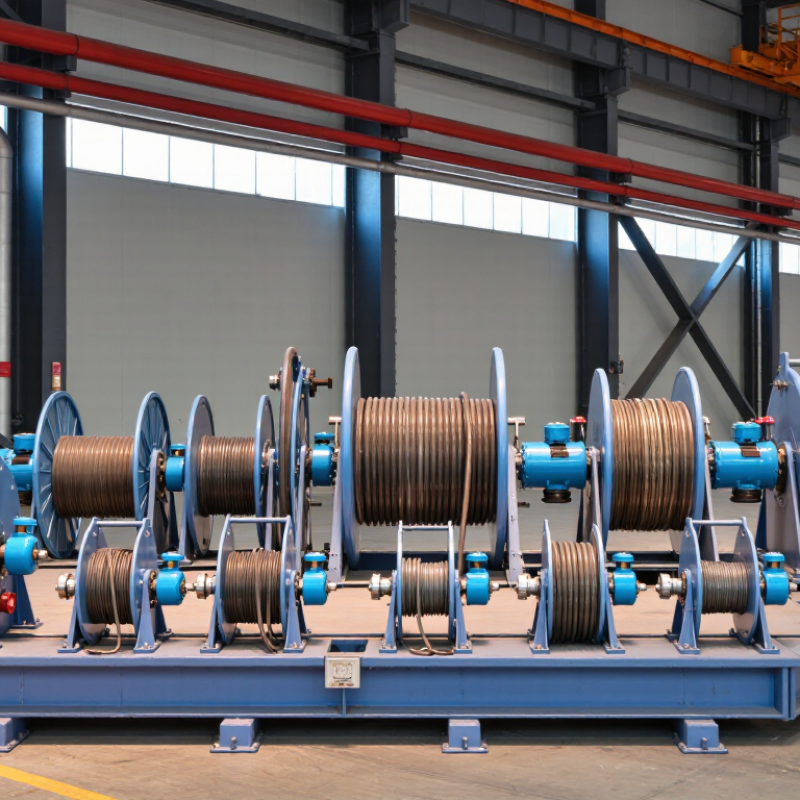
What Is a Pneumatic Winch and How Does It Work?
A pneumatic winch uses compressed air to pull, lift, or position heavy loads. Unlike an electric winch, it relies on an air motor, control valve, gearbox, drum, and brake. Air powers it.
Compressed air enters through a regulated inlet and spins the motor. The motor transfers torque through the gearbox. This reduces speed and increases pulling force. The drum then winds a steel cable or synthetic rope around its surface. Releasing the control valve stops airflow, while the brake helps hold the load in place. Operators should never depend on air pressure alone.
For global buyers comparing the top ten pneumatic winches, working conditions matter more than catalog ratings. Check rated capacity, line speed, duty cycle, air consumption, and brake performance. A winch rated for 3,000 kilograms may not safely lift that load in every setup. Rope angle, drum layers, pressure loss, and anchoring can reduce real performance. That detail is often overlooked.
In dusty or humid areas, filtered and lubricated air can protect internal components. Drain moisture from the air system regularly. Inspect the rope, hook, brake, and mounting bolts before each shift. Controls should respond smoothly, not suddenly. Field checks often reveal small issues before they become expensive failures. The basic explanation is simple, but choosing correctly is not. Some specifications remain unclear until the winch meets a real load.
| No. | Typical Winch Configuration | Rated Pulling Capacity | Typical Air Pressure | Typical Line Speed at Rated Load | Recommended Wire Rope Diameter | Typical Rope Length | Approx. Free-Air Consumption | Common Brake and Control Design | Best-Fit Applications | Key Buyer Considerations |
|---|---|---|---|---|---|---|---|---|---|---|
| 1 | Compact Utility Winch | 250–500 kg (550–1,100 lb) |
5–7 bar (72–102 psi) |
8–18 m/min (26–59 ft/min) |
6–8 mm | 20–30 m | 25–45 Nm³/h | Automatic spring-applied brake; lever or pendant control | Light maintenance lifting, workshops, small marine equipment, service vehicles | Check mounting space, minimum air-line size, and whether the stated capacity is single-line or reeved. |
| 2 | Portable Maintenance Winch | 500–1,000 kg (1,100–2,200 lb) |
5–7 bar (72–102 psi) |
7–16 m/min (23–52 ft/min) |
8–10 mm | 25–40 m | 40–75 Nm³/h | Self-holding pneumatic brake; local lever with emergency stop | Construction maintenance, plant servicing, utility work, general material handling | Confirm portability, anchoring method, air filtration, and suitability for intermittent duty. |
| 3 | Marine and Offshore Utility Winch | 1–2 t (2,200–4,400 lb) |
5–8 bar (72–116 psi) |
5–14 m/min (16–46 ft/min) |
10–14 mm | 30–60 m | 60–110 Nm³/h | Fail-safe brake; pendant or remote pneumatic control | Deck handling, mooring support, hose handling, marine lifting, offshore service work | Specify corrosion protection, marine-grade materials, drainage, and required deck or foundation loads. |
| 4 | Explosion-Risk Area Winch | 1–3 t (2,200–6,600 lb) |
5–7 bar (72–102 psi) |
4–12 m/min (13–39 ft/min) |
10–16 mm | 30–60 m | 70–140 Nm³/h | Mechanical fail-safe brake; non-electric pneumatic controls | Petrochemical, chemical processing, paint facilities, gas handling, hazardous-area maintenance | Verify the complete assembly’s hazardous-area certification, temperature class, zone classification, and grounding requirements. |
| 5 | Heavy-Duty Industrial Winch | 2–5 t (4,400–11,000 lb) |
6–8 bar (87–116 psi) |
3–10 m/min (10–33 ft/min) |
14–20 mm | 40–80 m | 100–190 Nm³/h | Automatic load brake; pendant, lever, or remote control | Steel plants, foundries, machinery installation, shipyards, heavy maintenance | Assess duty cycle, drum capacity, thermal limits, air-compressor reserve, and foundation strength. |
| 6 | Continuous-Duty Process Winch | 1–3 t (2,200–6,600 lb) |
5–7 bar (72–102 psi) |
3–8 m/min (10–26 ft/min) |
12–16 mm | 40–100 m | 90–170 Nm³/h | Spring-applied brake; metered pneumatic speed control | Conveyor maintenance, process lines, repetitive positioning, bulk-material facilities | Review the manufacturer’s duty classification, allowable starts per hour, rope fleet angle, and brake holding capacity. |
| 7 | Vehicle Recovery and Pulling Winch | 3–6 t (6,600–13,200 lb) |
6–8 bar (87–116 psi) |
2–7 m/min (7–23 ft/min) |
16–22 mm | 30–60 m | 120–230 Nm³/h | Load-holding brake; remote pneumatic valve with emergency shutoff | Mining vehicles, off-road recovery, heavy trailers, industrial transport equipment | Separate line-pull rating from vehicle weight; check anchor points, fairlead alignment, and shock-loading limits. |
| 8 | Mining and Underground Winch | 3–8 t (6,600–17,600 lb) |
6–8 bar (87–116 psi) |
2–6 m/min (7–20 ft/min) |
18–24 mm | 50–120 m | 160–300 Nm³/h | Fail-safe brake; dead-man pneumatic control | Underground mining, tunneling, ore handling, heavy equipment positioning | Check ventilation, water and dust protection, rope inspection access, braking on inclined haulways, and local mining rules. |
| 9 | Shipyard and Fabrication Winch | 5–10 t (11,000–22,000 lb) |
6–8 bar (87–116 psi) |
1.5–5 m/min (5–16 ft/min) |
20–28 mm | 60–150 m | 220–420 Nm³/h | Heavy-duty automatic brake; pendant or remote pneumatic control | Shipbuilding, structural fabrication, large-component positioning, dockside handling | Confirm drum layer capacity, structural deflection, wire-rope certification, and safe working load at every layer. |
| 10 | High-Capacity Heavy-Lift Winch | 10–20 t (22,000–44,000 lb) |
6–8 bar (87–116 psi) |
1–4 m/min (3–13 ft/min) |
24–36 mm | 80–200 m | 350–650 Nm³/h | Redundant load-holding brake; remote control and emergency isolation | Heavy engineering, offshore construction, large machinery installation, infrastructure projects | Require a certified lifting design, engineered foundation, verified compressor capacity, rope fleet-angle control, and independent inspection. |
Related Posts
-
Global Sourcing Guide to the Best Pneumatic Winches for Every Industry
-

Embracing Industry 2025 Innovations Discover the Best Download Full Catalog for Global Buyers
-
What Is a Chain Hoist and How Does It Work?
-
How to Choose the Right Chain Pulley for Your Needs?
-

Elevating Global Standards: The Rise of Premium Chain Come Along from China
-
What Are the 2026 Best Girder Clamps for Global Buyers?